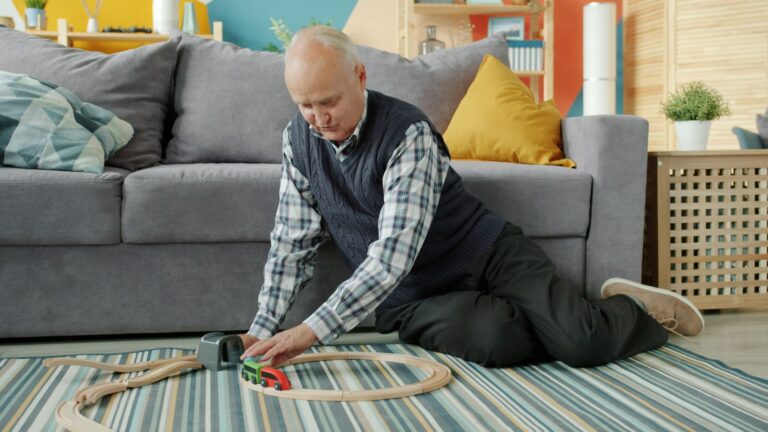
Yes, interactive pet toys are often worth trying in Alzheimer's care for mood, company and calm. These toys are robotic companion animals that purr, bark, move and respond to touch and voice. They do not treat memory loss, but studies link them to better mood, more social engagement and less agitation. Families often use them between visits or in care homes to ease loneliness and restlessness.
Medical information disclaimer: This article is for general educational purposes only and does not provide medical advice, diagnosis, or treatment. Always consult a physician or other qualified health professional about symptoms, medications, tests, or treatment decisions.
Table of Contents
- What mood and behavior changes can families expect?
- Do they help memory or thinking?
- Which types are available and what do they cost?
- How should you introduce one?
What mood and behavior changes can families expect?
Florida Atlantic University researchers found 12 visits with affordable robotic cats improved all mood scores in older adults with mild-to-moderate dementia, with clear gains on emotion and depression ratings, according to the university report via ScienceDaily. Staff watched residents stroke, talk to and smile at the cats during sessions.
An 8-month University of Plymouth study in Cornwall care homes gave residents Joy for All robot cats and dogs and found neuropsychiatric symptoms fell in users while rising in controls, according to the Health Research Authority summary. That trial reported better scores for delusions, depression, anxiety, elation and apathy. Controlled trials of PARO also found more verbal and visual engagement than a plush toy or usual care, alongside lower agitation, according to the HelpDementia.com evidence review.
Do they help memory or thinking?
Results for thinking are smaller and less consistent than results for mood. In the Florida day-center study, more than half of participants scored higher on a brief mental-state test, with small gains in attention, language and registration.
The wider evidence points elsewhere. The same review of PARO trials found no large gain in memory or overall quality of life, so the main value sits in day-to-day mood, attention and behavior. Treat a robotic pet as comfort and activity support, not as cognitive therapy.
Which types are available and what do they cost?
PARO is a 2.7-kg robotic baby harp seal from Japan's AIST, cleared by the U.S. Food and Drug Administration as a biofeedback device in 2009 and now used in about 30 countries, according to the IEEE Robots Guide. It senses light, temperature, touch and sound and responds with head, flipper and eye movement.
PARO lists at about $6,000, which puts it out of reach for most homes. The U.K. researchers cited a price near £5,000 as a barrier and chose to test lower-cost Joy for All cats and dogs instead. For home use, a simpler cat or dog that purrs, barks and vibrates often gives the stroking-and-talking benefit at far lower cost.
How should you introduce one?
Be open about what it is. In the Florida study, staff told participants the cat was a robot, then let each person name it and fit a collar.
Use these steps for the first week: One care-home trial found no clear gain for communication problems or challenging behavior. If agitation rises, or the person tries to feed, wash or take the toy apart, pause and try again later with staff help. Let the person pick the name and collar to build ownership from day one.
- Offer the pet during a calm time, placed within reach on a lap or chair.
- Invite touch first, then talk: "He likes a slow stroke. What shall we call her?"
- Keep sessions short, then leave the pet nearby if the person seeks it out.
- Watch for jealousy, over-attachment, frustration with sounds, or loss of interest and rotate or remove it as needed.