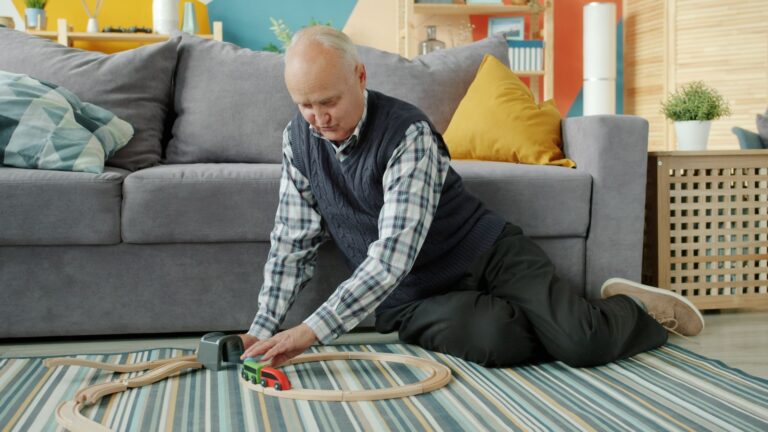
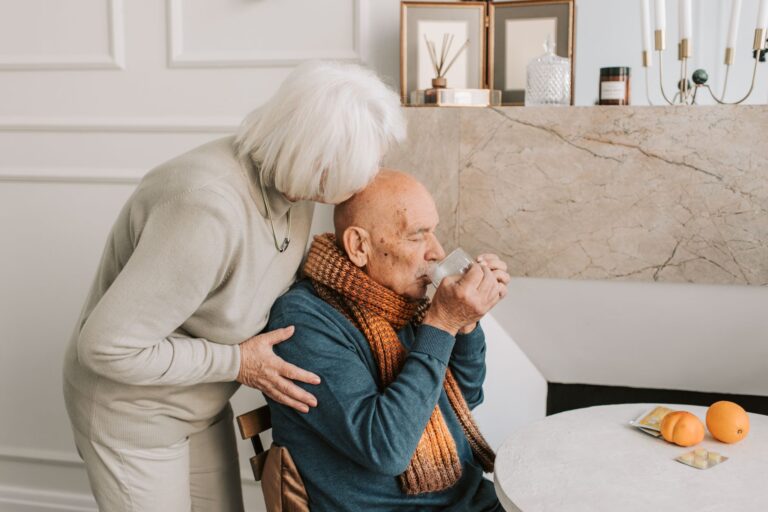
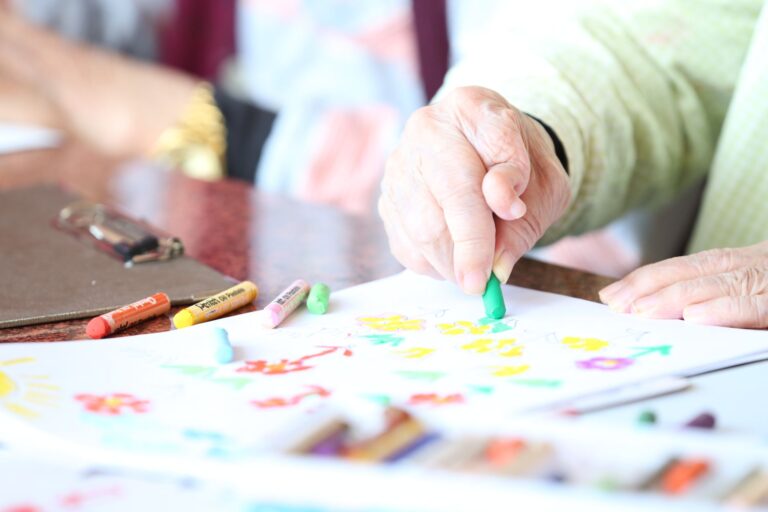
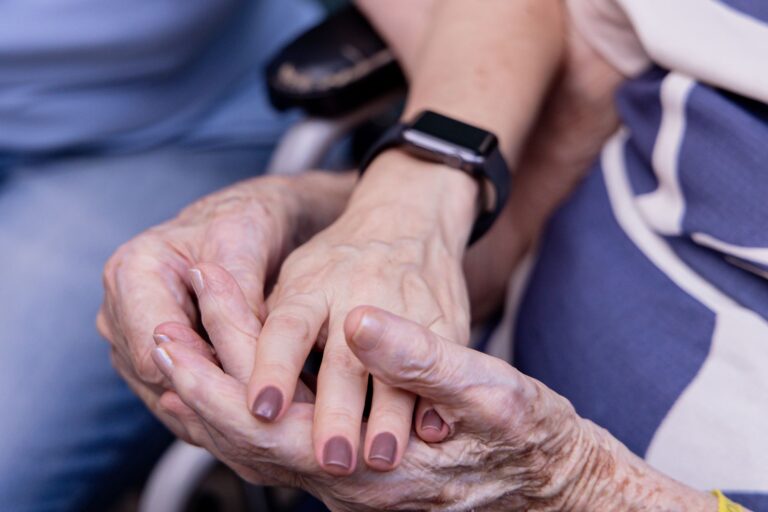
Weighted plush companions, realistic baby dolls, lifelike robotic pets, and weighted blankets or lap pads help caregivers calm dementia anxiety. A weighted toy is a soft object with added weight that gives steady holding pressure and a familiar shape to cuddle. These tools work through comfort, routine, and touch. They do not treat dementia itself, but they can ease restlessness and support calmer moments during the day and at night.
Medical information disclaimer: This article is for general educational purposes only and does not provide medical advice, diagnosis, or treatment. Always consult a physician or other qualified health professional about symptoms, medications, tests, or treatment decisions.
Table of Contents
- What is HUG by LAUGH?
- Do baby dolls help in hospitals?
- What about robotic pets and therapy dolls?
- Can blankets and lap pads improve rest?
- How can caregivers choose and use them safely?
What is HUG by LAUGH?
HUG by LAUGH is a soft plush sensory companion with long weighted limbs, a beating heart, and a music player. It was designed for people with advanced dementia to feel hugged back.
A larger NHS and Cardiff care-home evaluation backed up early results, according to the Dr Jac Fennell article from UWE Bristol. The first user became more alert, more connected, and ate and drank more. HUG is also sold as a weighted doll with heartbeat and music to reduce anxiety, agitation, and distressing behaviors through familiar comforting presence, according to The Hug product page from Eugeria Care.
Do baby dolls help in hospitals?
Caregivers at SSM Health Monroe Hospital use realistic weighted baby dolls for hospitalized patients with confusion or distress. The dolls bring comfort, reduce anxiety, and spark positive memories.
Holding, rocking, and talking to a doll can give the hands something gentle to do. It can also give staff a calm way to connect during checks, meals, and waiting times.
What about robotic pets and therapy dolls?
Soft therapy dolls and lifelike robotic cats and dogs provide nurturing contact for people living with dementia. They offer calm, companionship, reduced anxiety, and emotional engagement, according to holiday gift ideas from the Alzheimer Society of Durham Region.
A purring cat can suit someone who likes animals but cannot manage a live pet. A soft doll may suit someone who responds to cradling, stroking, or familiar caregiving motions.
Can blankets and lap pads improve rest?
Weighted blankets and lap pads use deep-pressure input. That steady pressure can decrease anxiety and restlessness and improve sleep onset and maintenance for nursing-home residents with dementia.
Use them for quiet time, sundowning, naps, or bedtime routines. Keep the face, neck, and chest clear, and watch for overheating or discomfort.
How can caregivers choose and use them safely?
Match dolls, pets, fidget muffs, or weighted items to the person's current dementia stage and abilities. Supervise use for comfort and engagement.
- Offer one item at a time and watch the response.
- Stop if the person pushes it away, looks distressed, or has trouble moving it.
- Keep items clean, intact, and easy to hold.
- Ask a clinician before routine weighted-blanket use for a frail elder, using the lightest effective weight around 10% of body weight, since weighted products are not routinely prescribed and can be unsafe if misused.