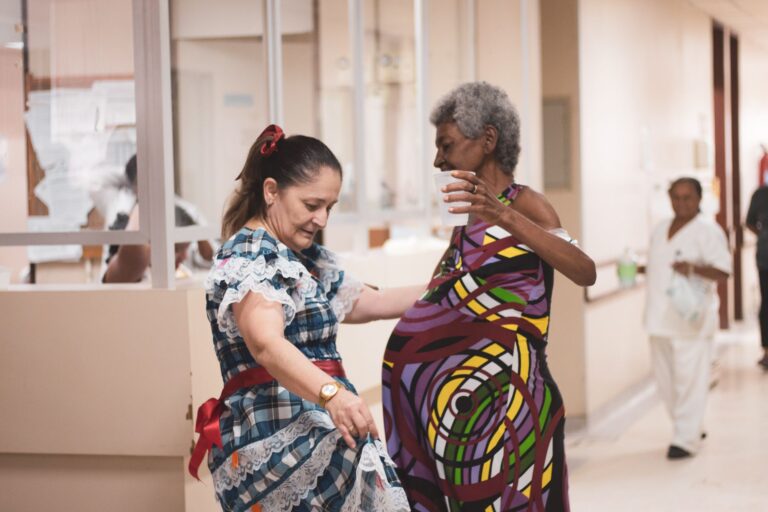
Dancing is linked to lower dementia risk and can support heart, metabolic and movement health at the same time. It does not guarantee prevention, and benefits depend on dose, health status and safety.
Dementia means ongoing loss of memory and thinking that interferes with daily life. Dance pairs aerobic movement with music, balance, memory for steps and social contact. That combination matters for readers managing high blood pressure, diabetes or arthritis alongside memory concern.
Medical information disclaimer: This article is for general educational purposes only and does not provide medical advice, diagnosis, or treatment. Always consult a physician or other qualified health professional about symptoms, medications, tests, or treatment decisions.
Table of Contents
- What studies show for dance and memory
- Why other health conditions change the benefit
- Where the limits are
- How to start dance with another condition
What studies show for dance and memory
In the Bronx Aging Study of 469 adults ages 75-85 followed for a median 5 years, frequent dancers had roughly 76% lower dementia risk. It was the only physical activity with a significant link, according to an analysis summarizing Verghese et al. in analysis of the Bronx Aging Study.
A 12-week randomized trial studied 92 older adults with mild cognitive impairment. Mild cognitive impairment means early memory problems beyond normal aging. Dance-based aerobic training improved frailty and cognition, with large effects on thinking, reported by Diagnostics in Diagnostics trial report on dance and cognition.
Why other health conditions change the benefit
The 2024 Lancet Commission attributed about 45% of global dementia cases to 14 risks people can change. Those risks include inactivity, hypertension, diabetes, obesity, depression, smoking, hearing and vision loss, and isolation. Senior Care Authority summarizes the Livingston et al.
report. Regular activity lowers risk of early death, heart disease, stroke, type 2 diabetes, some cancers and dementia. The CDC also notes benefits for adults living with dementia, arthritis, hypertension, diabetes, stroke and Parkinson's in CDC guidance on activity with chronic conditions.
Where the limits are
The National Institute on Aging states there is currently no definitive evidence about what can prevent Alzheimer's or cognitive decline. Healthy diet, activity, weight control and blood-pressure control still lower chronic-disease risk. That distinction matters because lower risk is not the same as prevention.
WHO recommends activity for adults with normal thinking to reduce cognitive decline. The evidence rating is moderate and the recommendation is strong, summarized by Frontiers in Neurology. A separate review of 40 studies from 2008-2022 found dance can improve coordination, balance and muscle strength and thereby reduce fall risk.
How to start dance with another condition
The Alzheimer's Association advises at least 150 minutes of moderate-intensity exercise weekly. It points to U.S.
POINTER, which combines exercise, nutrition, cognitive engagement and health monitoring, described in Alzheimer's Association guidance on movement. Use chronic conditions to shape the plan, not to rule out movement. Track minutes and balance changes for two weeks, then adjust style or dose with your care team.
- Choose styles with support, clear floors and steady pace if balance is weak.
- Build toward the weekly total in short bouts across several days.
- Pair dance sessions with control of pressure, blood sugar, hearing and vision.