Alternatives to unsupervised no-cook routines are simplified supervised meals, bite-size finger foods, soft textures, and cued calm mealtimes. Middle-stage dementia means memory loss and thinking changes that make independent meal tasks harder and interest less steady. No-cook routines often fade because choice feels overwhelming, meals are forgotten, or eating seems already done. Caregivers can replace solo snacking with short guided steps, fewer options, and steady cues to start and continue eating.
Medical information disclaimer: This article is for general educational purposes only and does not provide medical advice, diagnosis, or treatment. Always consult a physician or other qualified health professional about symptoms, medications, tests, or treatment decisions.
Table of Contents
- Why does interest in no-cook food change?
- What supervised cooking can replace solo no-cook meals?
- How do finger foods protect independence?
- What helps when chewing, taste, or stamina changes?
Why does interest in no-cook food change?
Too many choices can overwhelm a person with middle or late-stage Alzheimer's, and memory gaps can cause skipped meals or belief that eating already happened. According to the Alzheimer's Association, caregivers should simplify choices and cue meals directly, as described in the Association's food and eating guide. Distraction also interferes.
Changes in perception, taste, and smell make eating harder during middle-stage Alzheimer's. Quiet surroundings away from television and other distractions help attention stay on food. Smaller structure works better than open access. Offer one or two foods, name the meal, sit together, and give one clear step at a time.
What supervised cooking can replace solo no-cook meals?
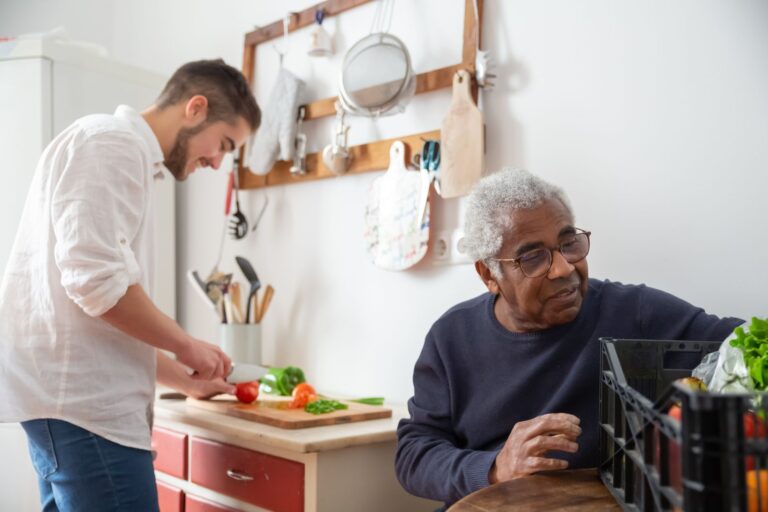
Short assisted tasks keep involvement without leaving cooking unsupervised. A caregiver can handle heat, knives, and timing while the person pours, stirs, tears bread, rinses fruit, or arranges a plate. Safety changes make this possible.
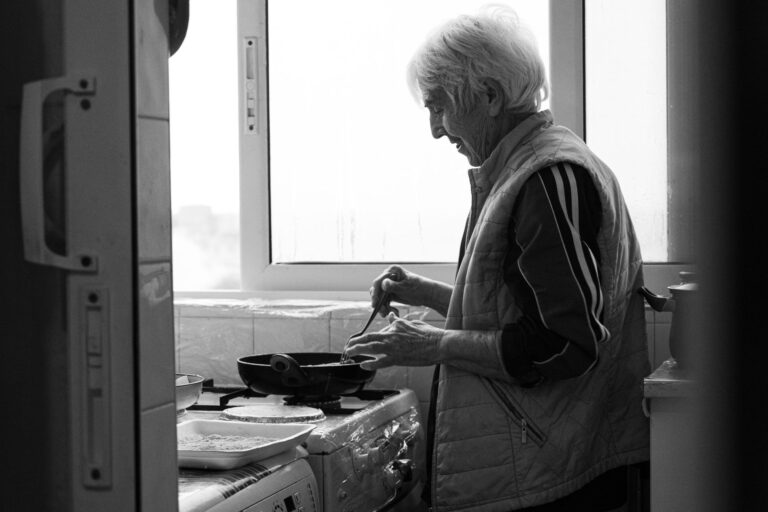
According to the Alzheimer's Association, kitchens should use auto shut-off appliances and block unsafe stove use with knob covers, removed knobs, or gas turned off when not in use, as explained in the Association's home safety guide. Keep recipes to two or three steps and the same familiar foods. Serve right away while attention is present, then clear extra items so the plate stays simple.
How do finger foods protect independence?
When spoons and forks become frustrating, bite-size finger foods reduce calls for help. Useful options include quarter sandwiches, baked meatballs, soft fruit pieces, and cheese. According to the U.S.
Department of Veterans Affairs dementia caregiver program, these foods preserve independence and lower frustration when utensil use fails, as listed in the VA guide to eating with dementia. Keep pieces small, soft enough to chew, and easy to grip. Offer a few pieces at a time, replace dropped food calmly, and avoid slippery, crumbly, or round foods that roll.
What helps when chewing, taste, or stamina changes?
Cut food bite-size and choose soft foods such as applesauce, cottage cheese, and scrambled eggs. Sit the person upright with head slightly forward and allow unhurried time. Taste shifts are common. Dementia often increases liking for sweet foods and stronger salty, sour, or spicy flavors.
Try liked foods first, add fruit or sweet sauce to a main dish, use a contrasting blue plate, and offer small frequent meals when long meals cause fatigue. Watch texture safety closely. Many finger foods are unsafe with swallowing difficulty, so foods should match the person's prescribed texture level. Ask a general practitioner for referral to Speech and Language Therapy for coughing, choking, pocketing food in cheeks, or holding food in the mouth.