Alternatives to no-cook preparation include adapted cooking with supervision, bite-size finger foods, smaller frequent meals, and community meal programs. These options help when familiar foods lose appeal and tastes shift toward sweeter or stronger flavours. Early-stage dementia means memory and judgment changes are mild but already affect daily tasks like cooking. No-cook preparation means assembling foods without heat, knives, or appliances, and interest changes mean prior likes may fade quickly.
Medical information disclaimer: This article is for general educational purposes only and does not provide medical advice, diagnosis, or treatment. Always consult a physician or other qualified health professional about symptoms, medications, tests, or treatment decisions.
Table of Contents
- Why do familiar foods lose appeal?
- How can you keep cooking together safely?
- What helps when utensils or sit-down meals become hard?
- When should meals come from outside the home?
Why do familiar foods lose appeal?
Changed food interests are common in dementia. Likes and dislikes can shift often, previously liked foods may face rejection, and textures may go off. Sweeter or stronger-flavoured foods are often preferred, according to NHS Cornwall and Isles of Scilly Integrated Care Board in eating well with dementia.
The shift is not only about preference. A person may forget to eat, believe they already ate, feel overwhelmed by too many choices, or develop chewing, swallowing, sight, smell, and taste problems. These limits mean new meals work best with supervision and medical advice, not preparation swaps alone.
How can you keep cooking together safely?
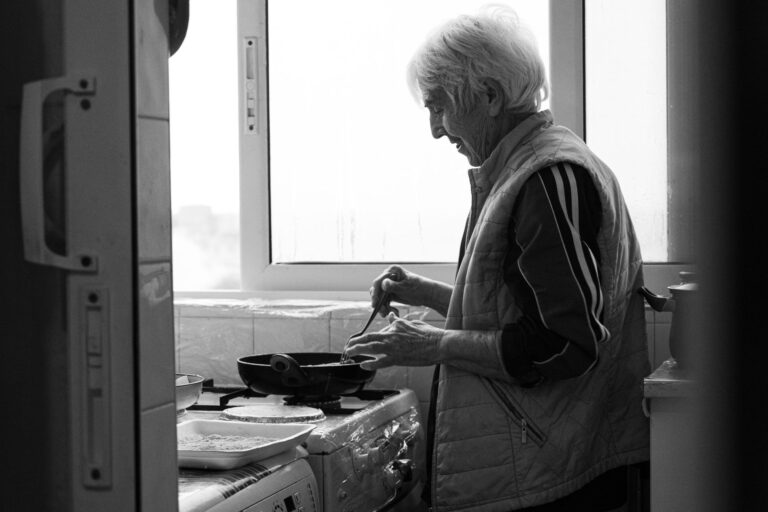
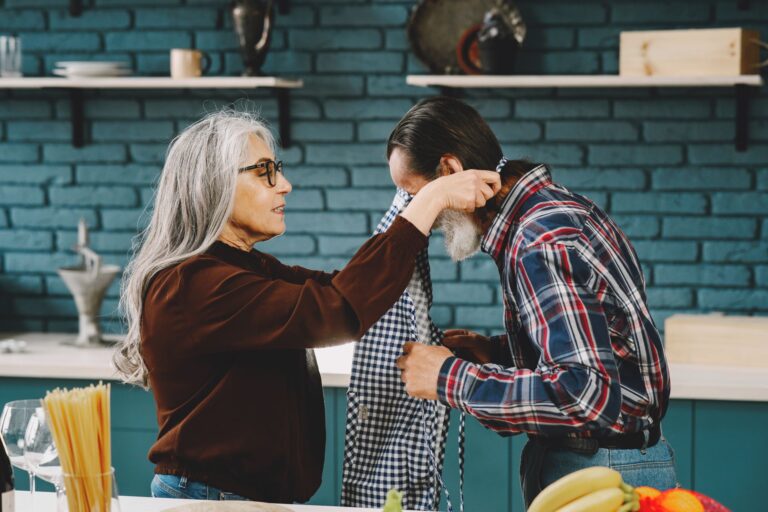
Adapt familiar cooking tasks to current abilities instead of taking over. Choose recipes together, give one clear step at a time, and never leave the person alone near heat, knives, glass, or appliances.
Make the kitchen safer as judgment declines: The Alzheimer's Association recommends these kitchen safety steps in home safety guidance. Shared tasks can include washing fruit, tearing lettuce, stirring cool mixtures, or arranging sandwich fillings. Stop heat or knife tasks when focus slips, and move that part to the caregiver.
- use appliances with automatic shut-off
- cover or remove stove knobs
- disconnect the garbage disposal
- remove decorative fruit and hazardous items
What helps when utensils or sit-down meals become hard?
Finger foods protect independence when utensils confuse or sitting still feels hard. Useful options include sandwiches, fruit pieces, fish fingers, or sausage rolls, which also work eaten on the move, according to U.S. VA dementia caregiver support in eating with dementia.
Set up the table for focus. Reduce noise and clutter, eat together, prompt gently to eat, and use contrasting blue plates, adapted cutlery, non-slip mats, and plate guards. Avoid tricky foods like spaghetti that demand coordination and cool quickly.
When should meals come from outside the home?
Buy healthy liked foods such as vegetables, fruits, and whole grains. Offer smaller but more frequent meals and calorie-rich snacks through the day. Ask a doctor about supplements or a multivitamin if intake stays low.
A practical alternative is the Older Americans Act Nutrition Program, described by the U.S. Administration for Community Living in nutrition services. It funds congregate meals in senior centers and home-delivered meals for adults age 60 and older, supporting nutrition plus social contact. Call a doctor promptly for weight loss, coughing, pocketing food, or refusal that lasts more than a day or two.