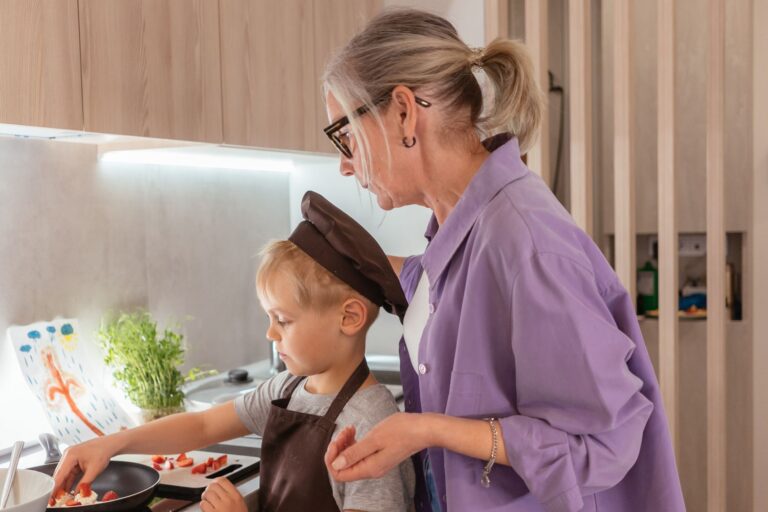
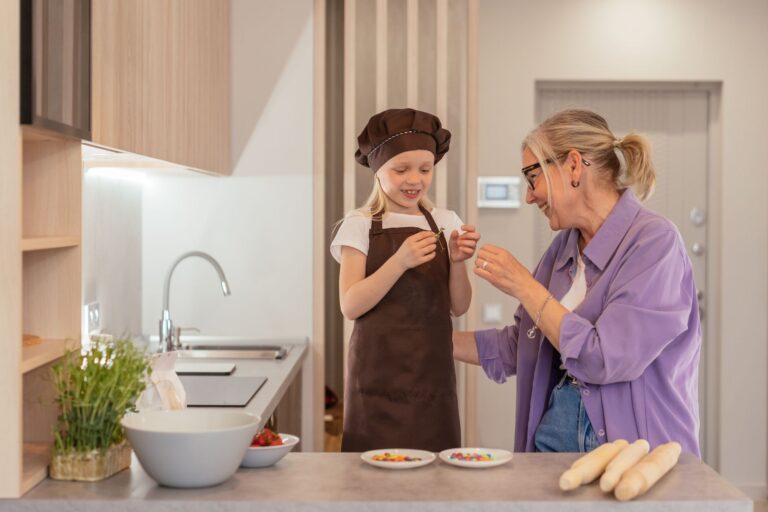
No-cook food preparation for late-stage dementia means assembling soft, ready-to-eat foods without heat, plus simple table setup and strict food safety. Late-stage dementia is advanced decline when chewing, swallowing, and utensil use often fail. This method helps caregivers offer quick meals that are easier to pick up and swallow. It centers on finger foods, calm surroundings, and careful hygiene.
Medical information disclaimer: This article is for general educational purposes only and does not provide medical advice, diagnosis, or treatment. Always consult a physician or other qualified health professional about symptoms, medications, tests, or treatment decisions.
Table of Contents
- What supplies make no-cook meals easier?
- How should you set up the eating space?
- Which textures lower choking risk?
- How do you keep cold foods safe?
What supplies make no-cook meals easier?
Keep tools that reduce mess and effort. Use solid, high-contrast plates and placemats, small bowls, napkins, and a cup for sips.
The Alzheimer's Association advises simple settings without patterns that confuse and hide food. Stock soft foods that need only cutting or mashing. Good options include canned tuna for sandwiches, canned peaches, ripe banana, applesauce, yogurt, cottage cheese, and hummus.
- Cut soft chunks to bite size for easy pickup
- Mash beans, avocado, or banana with a fork
- Offer one or two foods at a time
- Keep water nearby in a regular cup
How should you set up the eating space?
Keep the table plain and steady. According to the Alzheimer's Association, solid high-contrast dishes help food stand out in its eating and food guidance. Remove tablecloth patterns, extra utensils, and decorations.
Seat the person upright with head slightly forward. The Alzheimer's Association warns against tilting the head back and against hard-to-chew foods like raw carrots. Stay close, speak calmly, and allow extra time.
Which textures lower choking risk?
Choose foods that are soft, moist, and easy to chew. UC San Diego Health guidance says use foods mashable with a fork and cut chunks to no more than 1/2 inch. It warns against carrot sticks, nuts, popcorn, and raw apples. The National Institute on Aging notes late-stage Alzheimer's can impair chewing and swallowing so food enters lungs and causes aspiration and pneumonia in its late-stage care guide.
The same source advises small sips from a cup rather than using a straw. Watch for coughing, pocketing food, or wet voice, and pause feeding if swallowing looks unsafe. Serve tuna salad sandwiches cut small, orange segments, ripe melon cubes, and mashed avocado on soft bread. Cut, soften, or puree foods when swallowing is impaired, and do not force food when appetite fades, per National Institute on Aging caregiver tips. Offer small amounts and stop when the person turns away or keeps lips closed.
How do you keep cold foods safe?
Wash hands before, during, and after prep and before eating. The CDC directs scrubbing with soap for at least 20 seconds, including backs, between fingers, and under nails in its hand-cleaning directions. Wash fruit, open only what you need, and use clean utensils and boards.
Chill perishables fast because cold slows germ growth. The USDA Food Safety and Inspection Service requires refrigerating perishable foods within 2 hours, or within 1 hour above 90°F, because bacteria grow fast between 40°F and 140°F in its food safety steps. Throw out sandwiches, dairy, cut fruit, or tuna left too long at room temperature.