Simplify no-cook preparation for middle-stage dementia by serving bite-size finger foods that need no stove and can be eaten by hand. Offer one or two ready foods at a time, several small times through the day. Middle-stage dementia means memory loss and judgment problems now disrupt daily tasks such as cooking and eating. No-cook planning removes stove risk and reduces steps, so the person can still feed themselves safely.
Medical information disclaimer: This article is for general educational purposes only and does not provide medical advice, diagnosis, or treatment. Always consult a physician or other qualified health professional about symptoms, medications, tests, or treatment decisions.
Table of Contents
- What to keep ready without cooking?
- How often and how much should you serve?
- Which textures lower choking risk?
- How do you support safety at home?
What to keep ready without cooking?
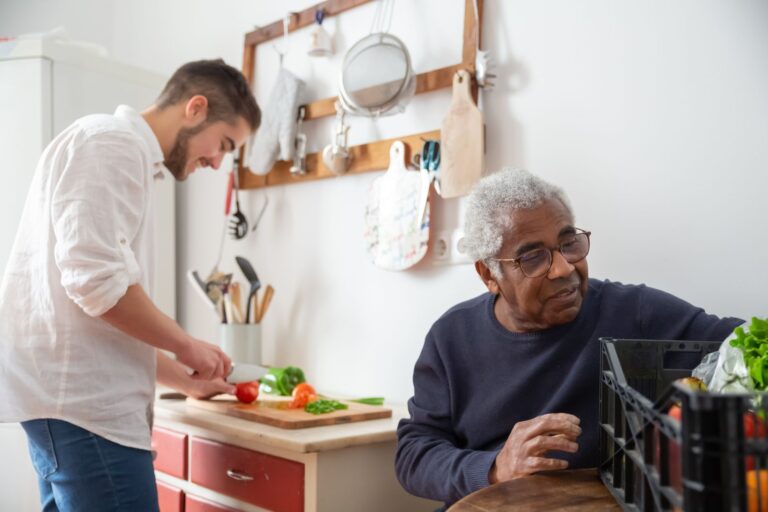
Finger foods support independent self-feeding when meal steps and utensils become hard. Good options include cheese cubes, small sandwiches, chicken pieces, sliced soft fruits and vegetables, and potato wedges. Keep each piece bite-size and ready to pick up.
Build those snacks around balance for best effect. The Alzheimer's Association advises vegetables, fruits, whole grains, low-fat dairy, and lean protein in its balanced eating guidance from the Alzheimer's Association. Favor fruit, vegetables, yogurt, cottage cheese, and lean deli or canned fish options. Limit foods high in saturated fat and refined sugars.
How often and how much should you serve?
Many people eat little at set meals in middle-stage dementia. The Alzheimer Society of Canada recommends small, frequent no-cook meals or nutritious snacks through the day in its meal-time guidance from the Alzheimer Society of Canada. Do not rely only on three main meals.
Keep each serving calm and simple. The Alzheimer's Association advises one or two ready-to-eat foods on the plate at a time. Too many choices can overwhelm. Allow plenty of unhurried time in a quiet, supervised setting.
Which textures lower choking risk?
Hard foods raise choking risk in middle- to late-stage dementia. The Alzheimer's Association warns against whole nuts, popcorn, raw carrots, and other hard-to-chew items in its eating topic sheet from the Alzheimer's Association. Use soft no-cook foods such as applesauce, bananas, and cottage cheese instead.
The Alzheimer's Association also advises upright posture with head slightly forward during eating. Confirm one swallow before offering more food. Watch for these warning signs: Seek clinical evaluation if any sign appears.
- pocketing food in cheeks
- coughing during or after bites
- wet voice, throat-clearing, or trouble swallowing
How do you support safety at home?
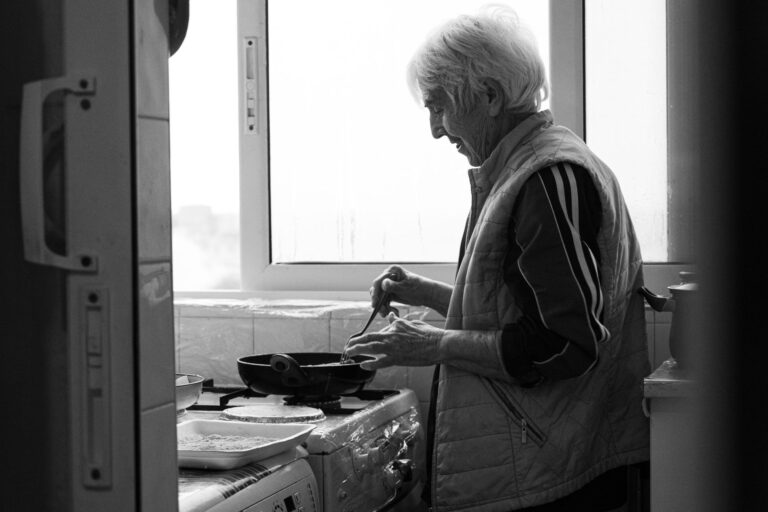
People living alone with middle-stage dementia may leave stoves or appliances on due to impaired judgment. The Alzheimer Society of Canada points to pre-cooked refrigerated meals as a safer base.
They remove daily stove use while keeping food ready. Pair ready food with simple cues and prompts: Place cut fruit and cheese cubes at eye level before you leave the room.
- post short reminders where food is stored
- set timers or alarms for snack times
- give one step at a time, such as pick up, bite, swallow