Dance activities for dementia care can support brain health by combining movement, thinking, and social contact in one activity. Dementia means ongoing loss of memory and thinking skills that interferes with daily life, and dance gives the brain and body a shared workout. Caregivers can use simple dances at home or in group settings. Short, low-impact sessions fit many ability levels and encourage participation.
Medical information disclaimer: This article is for general educational purposes only and does not provide medical advice, diagnosis, or treatment. Always consult a physician or other qualified health professional about symptoms, medications, tests, or treatment decisions.
Table of Contents
- Why does dance engage the brain?
- What does research show for memory and mood?
- How does dance compare with other exercise?
- How can caregivers make dance safe and social?
Why does dance engage the brain?
Dance pairs physical effort with timing, steps, balance, and interaction. Researchers propose it uses aerobics, coordination, agility, rhythm, flexibility, balance, memory, and social interaction at once, according to UCLA Health doctors answering reader questions.
That combination challenges a broad brain network. A dancer must remember sequences, follow music, adjust posture, and respond to a partner or group.
What does research show for memory and mood?
In 469 adults over age 75 followed for five years, frequent dancers had a 76% lower dementia risk than non-dancers in the Einstein Aging Study published in 2003, according to the same UCLA Health doctors answering reader questions. The finding is observational and cannot prove causation, and the 76% figure applies only to the study's five-year span. Using Framingham Heart Study data, UCLA researchers linked low physical activity to higher dementia risk and smaller brain volumes, especially hippocampal size in adults 75 and older, according to UCLA's report on exercise and brain size.
The hippocampus helps form new memories. A 2023 review of 29 studies with 1,708 participants found dance improved global cognition, memory, and balance and reduced depression, but not executive function, according to the review record in Ageing Research Reviews. Executive function covers planning, switching tasks, and self-control.
How does dance compare with other exercise?
A 2026 systematic review and Bayesian network meta-analysis in mild cognitive impairment and dementia found no significant advantage of dance over other exercise. Dance still ranked highest for global cognition on MoCA, a brief test of overall thinking. That pattern suggests dance is a strong option, not a required one.
Walking, strength work, and other aerobic exercise also support brain health when done regularly. Choice can follow ability, access, and enjoyment. A person who likes music may stay with dance longer than with a routine that feels like a chore.
How can caregivers make dance safe and social?
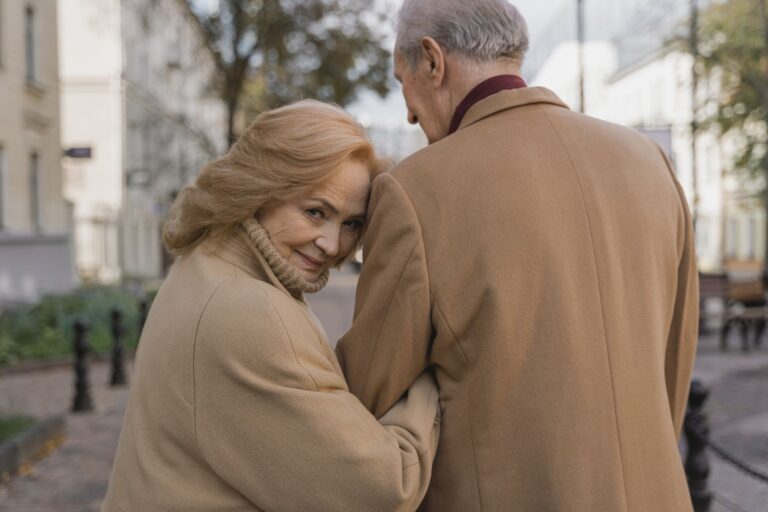
The Alzheimer's Association advises caregivers to use music and art to enrich life for people with dementia and to encourage movement such as clapping and dancing, according to the Association's art and music caregiving guide. Clapping, tapping, and marching in place count when standing is difficult.
Lower fall risk with a simple setup: Falls affect more than 1 in 4 older adults yearly, so support, lighting, and a steady chair or partner matter. Stop if pain, dizziness, or confusion rises.
- Choose seated or supported low-impact dance for unsteady balance
- Clear floors of cords, rugs, and clutter
- Use firm, closed-toe shoes
- Keep sessions short and rest between songs