Yes, gas price increases are genuinely raising concerns for summer travel. The national average gasoline price reached $3.91 per gallon as of March 20, 2026—the highest level since October 2022—and prices jumped 20 percent in just one month. This steep climb means a family planning a cross-country road trip that cost $150 in gas last summer could now spend closer to $200 on fuel alone, significantly changing the economics of vacation planning for millions of Americans. For older adults and caregivers managing fixed incomes or healthcare travel budgets, these increases directly impact whether they can afford to visit family across the country, attend important medical appointments in different states, or take the annual vacation that they depend on for quality time together.
The price surge stems from geopolitical tensions in the Middle East—specifically Iran’s closure of the Strait of Hormuz, a waterway through which approximately 20 percent of the world’s oil travels. This disruption triggered a spike in crude oil prices to $119 per barrel and set off a chain reaction through the American economy. Beyond the pump, these price increases ripple through summer travel in multiple ways: theme parks are seeing reservation declines, airfare is climbing faster than usual, and travel experts are warning consumers to book flights early or reconsider their vacation plans. This article covers the current price situation, what’s driving these increases, how summer travel will be affected, practical options for managing higher travel costs, and expert predictions about when relief might arrive.
Table of Contents
- How Much Have Gas Prices Risen in Recent Weeks?
- Why Did Gas Prices Jump So Dramatically?
- How Will Rising Gas Prices Affect Summer Vacation Plans?
- What Do Rising Fuel Costs Mean for Theme Parks and Family Attractions?
- How Are Airline Prices Rising, and How Does That Affect Travelers?
- What Alternative Travel Options or Strategies Can Help?
- When Will Gas Prices Return to Normal?
- Conclusion
How Much Have Gas Prices Risen in Recent Weeks?
Gas prices have climbed sharply and recently, making the jump feel sudden to most drivers. In just two weeks, prices rose 60 cents per gallon heading into mid-March, and one dramatic week saw a 27-cent jump alone as tensions escalated in the Middle East. To put this in perspective: if you filled up a typical 15-gallon vehicle a month ago, you would have paid about $37.50. Today, the same fill-up costs approximately $58.65. That’s a difference of more than $21 per tank—and for people who drive regularly for work, caregiving duties, or medical appointments, those costs compound quickly over a week or month.
Regional variation matters significantly for travel planning. California currently sits at $5.34 per gallon—nearly 1.50 dollars higher than the national average—while Kansas offers the lowest prices at around $3.01 per gallon. This means families planning cross-country road trips need to account for dramatic price differences depending on their route. A family driving from California to the East Coast faces substantially higher costs than the same trip through the Midwest, which could influence where people choose to travel or which routes they take. Historical context is important: prices haven’t been this high since early October 2022, so anyone who traveled during that period remembers what these prices felt like—though for many who didn’t travel then, this is sticker shock.

Why Did Gas Prices Jump So Dramatically?
The immediate cause traces directly to military conflict in the Middle East that began intensifying in early March 2026. Iran closed the Strait of Hormuz, a critical chokepoint through which roughly one-fifth of all the world’s oil passes. When that waterway closes or faces disruption, oil producers can’t get their products to market reliably, which creates genuine supply uncertainty. Oil traders responded by pushing crude oil prices to $119 per barrel—a significant jump from the mid-$70s range where it had been trading. This wasn’t speculation about a possible shortage; this was a real supply chain disruption affecting one of the most important oil shipping routes in the world.
However, it’s important to note that this specific conflict is only three weeks old (as of mid-March). Much of the price spike came from the market reacting to uncertainty about how long this disruption might last and whether it could escalate further. Oil markets are highly sensitive to geopolitical risk, which means markets sometimes overshoot during periods of conflict and then settle down once clarity emerges about the situation. The challenge for travelers is that we don’t yet know the timeline for resolution, which makes it difficult to predict whether prices will remain elevated for weeks or months. What we do know is that as long as the Strait of Hormuz remains disrupted, oil supply stays constrained and prices stay elevated.
How Will Rising Gas Prices Affect Summer Vacation Plans?
Americans are already responding to higher gas prices by reconsidering or canceling summer travel plans. Travel professionals are reporting meaningful declines in summer vacation bookings, with families doing the calculation that higher fuel costs, combined with other inflation pressures, means less discretionary money for a week at the beach or visiting national parks. For road-trip-dependent vacations—which remain popular for families with children or older adults who prefer driving to flying—the economic pinch is immediate and specific. A family that budgeted $400 for gas on a two-week summer road trip now needs to plan for $600 or more, which for many households means canceling or substantially shortening the trip. Beyond personal vacations, the ripple effects touch important travel for health and family reasons.
Older adults who had planned to spend extended time with grandchildren who live far away may now limit those visits. Adult children visiting aging parents for extended periods face significantly higher travel costs. The concerning element here is that discretionary vacations are one thing—reducing them saves money but doesn’t cause harm. But when rising gas prices force older adults or caregivers to reduce medical travel, visits to specialists, or time spent with family support networks, the consequences extend beyond just financial strain. These aren’t purely leisure trips; for many, summer travel includes important health appointments, family caregiving support, or medical consultations that matter for long-term health outcomes.
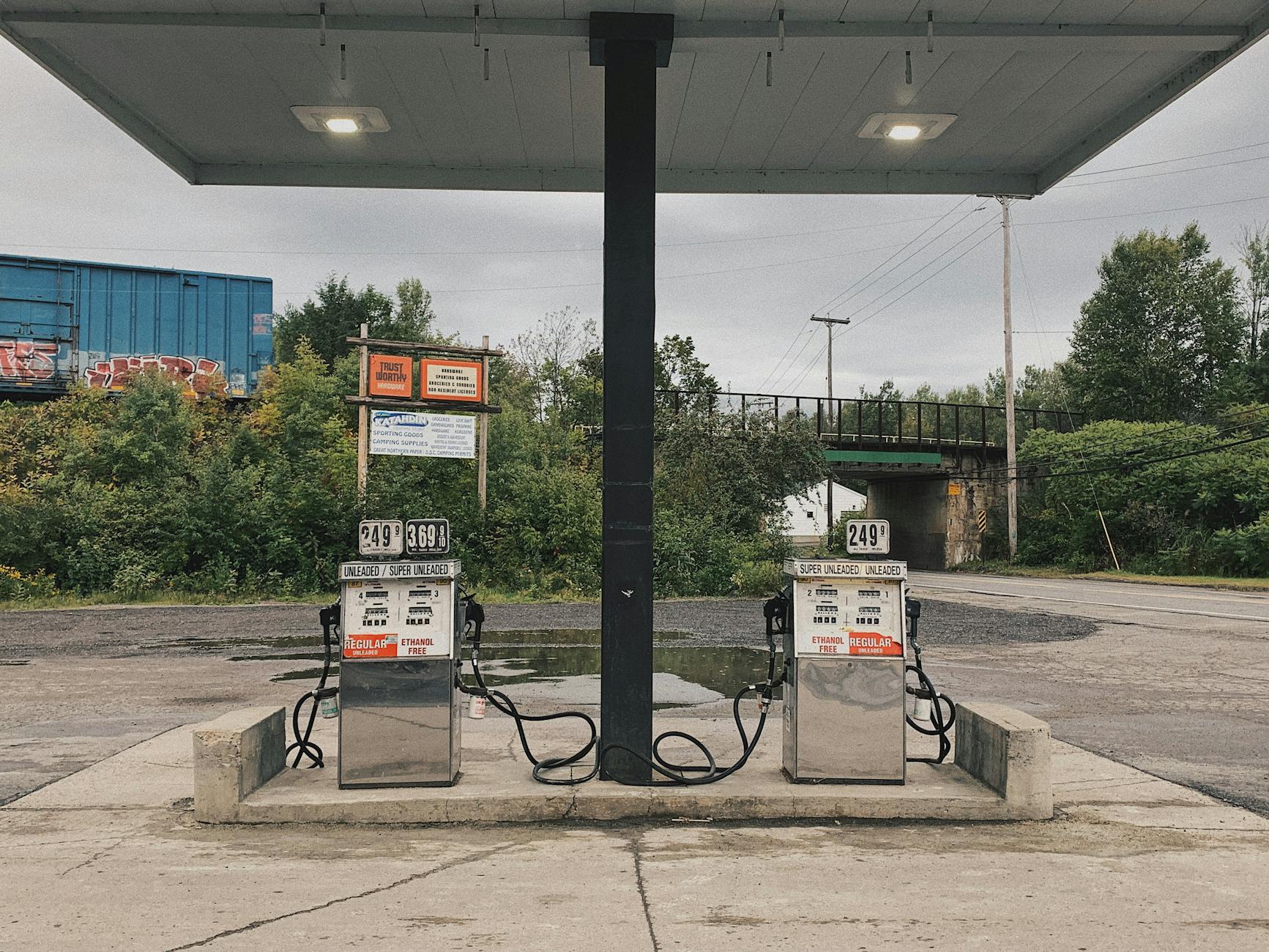
What Do Rising Fuel Costs Mean for Theme Parks and Family Attractions?
Theme parks and family attractions across America are bracing for a significant summer attendance decline directly tied to fuel costs. Multiple parks are projecting what industry insiders are calling “ghost parks”—substantially lower visitor volumes during what’s normally their busiest season. When gas prices rise significantly, families making the decision to drive 6-8 hours to spend a week at a major theme park do the math and increasingly decide the total cost is too high. A family of four driving from Texas to Florida for a week at a theme park now faces $400-600 more in gas costs than they expected six months ago, on top of hotel, park tickets, and meals. That additional $500 might be the difference between taking one summer vacation versus none.
The broader impact affects small towns and rural regions that depend on summer tourism. Attractions in smaller communities that rely on regional driving traffic—like state parks, local festivals, historic sites, and smaller amusement venues—often see steeper declines than major destination parks because families are choosing to travel shorter distances or skip travel altogether. This creates a real problem for seasonal workers, local businesses, and community budgets. For older adults and retirees on fixed incomes, this situation represents a significant limitation: the summer road trip they’ve been planning all year might need to be postponed or replaced with local day trips. If you’re managing a fixed retirement income, being forced to choose between a two-week vacation road trip and putting that $500 toward medical expenses or home repairs is a difficult reality.
How Are Airline Prices Rising, and How Does That Affect Travelers?
The airline industry is responding to higher fuel costs with rapidly increasing ticket prices. Airlines consume approximately 4 billion gallons of jet fuel annually, making them extraordinarily sensitive to oil price spikes. United Airlines’ CEO warned that airfare increases would “probably start quick,” and those increases are already materializing. When fuel costs rise significantly, airlines have limited options: they can absorb the extra costs (cutting into profits), reduce flights (limiting passenger options), or raise ticket prices. The industry consistently chooses to pass costs along to consumers, which means anyone booking summer flights in the coming weeks will pay substantially more than they would have if they booked in early March.
What’s particularly important to understand is the compounding effect. A flight that cost $400 per person in early March might cost $500 or more just weeks later—and those price increases happen faster than gas prices typically affect driving cost calculations. For families with older adults who need to fly rather than drive for medical reasons or long-distance family visits, this represents a significant financial pressure. The practical implication is urgent: travel experts are specifically recommending that anyone considering summer flights should book now rather than wait. However, this advice comes with an important caveat: if you’re still uncertain about your travel plans, booking immediately means paying cancellation fees or having inflexible tickets. The tradeoff is between locking in lower prices now versus maintaining flexibility about whether and when to travel.

What Alternative Travel Options or Strategies Can Help?
When gas prices spike and airfare climbs, travelers can explore several alternatives, each with different cost-benefit profiles. Local travel and staycations replace distant vacations for many families—visiting state parks, regional attractions, and shorter driving distances dramatically reduce fuel costs and often prove surprisingly enjoyable. Train travel becomes more economically viable when fuel prices surge, though availability and scheduling constraints limit this option for many routes. Delaying travel to later in the summer (September) or moving trips to fall sometimes catches prices on their way back down, though this strategy requires flexibility around school schedules and work calendars that not everyone has. For older adults who need to visit medical specialists or family members, coordination and planning become more valuable.
Rather than multiple trips throughout the summer, consolidating them into one longer trip reduces total fuel consumption and travel costs. Carpooling—whether sharing drives with extended family or coordinating with friends traveling the same direction—directly reduces per-person fuel costs. Some families find that renting more fuel-efficient or hybrid vehicles for road trips reduces their gas bill despite rental costs. The important limitation here is that not everyone has the flexibility to change when they travel or how far they drive. Someone visiting an aging parent in memory care doesn’t have the option to delay the visit or drive a different route to save gas. For those situations, rising gas prices simply means accepting higher travel costs.
When Will Gas Prices Return to Normal?
Different experts offer conflicting timelines, so it’s important to understand the range of predictions rather than assuming one official forecast. Trump administration officials have claimed that prices will return to normal in “a few more weeks,” suggesting an optimistic and rapid resolution. However, the U.S. Energy Department—using more conservative forecasting—estimates that prices will remain above $3.00 per gallon through at least 2027. GasBuddy projects that the 2026 average gas price will settle around $2.97 per gallon, with spring highs potentially reaching the low $3.20s before declining somewhat mid-year.
Some forecasters suggest the 2026 annual average could be around $3.34 per gallon. The realistic scenario is that we’re unlikely to see prices return to the mid-$2.00 range that Americans became accustomed to in 2024-2025. Even if the Middle East conflict resolves relatively quickly, oil markets often remain elevated for weeks after geopolitical incidents resolve as production capacity ramps back up. For summer travel planning, the practical implication is this: if you’re budgeting for a June, July, or August trip, plan for $3.00-3.50 per gallon costs rather than hoping prices will drop back to $2.50. Building your travel budget around the higher prices means you won’t be derailed by continued elevation; if prices do drop, that’s an unexpected bonus rather than a failed hope.
Conclusion
Gas price increases are genuinely affecting summer travel decisions right now, with prices at their highest level since October 2022 and no guarantee of quick recovery. Families are canceling vacations, theme parks are preparing for lower attendance, airline prices are climbing, and older adults on fixed incomes face difficult choices about whether they can afford the trips they had planned. The underlying cause—Middle East conflict disrupting oil supplies through the Strait of Hormuz—isn’t resolved, which means these elevated prices likely persist through the early summer.
Understanding the scope of the price increase, why it happened, and how it affects different types of travel helps you make informed decisions about your own summer plans. If you’re planning summer travel, the recommendation from travel experts is clear: book flights now rather than waiting, consider whether shorter or local trips might replace distant vacations, and budget conservatively using current or higher prices rather than assuming prices will fall before your trip. For older adults and caregivers managing fixed incomes, having realistic conversations now about which trips are essential versus optional helps preserve resources for important medical appointments and family visits. The good news is that this disruption is temporary—eventually, either the geopolitical situation will resolve or new supply sources will come online—but for the summer season ahead, higher fuel and travel costs are the planning reality you need to accept.