SI joint pain originates from the sacroiliac joints, the two connections where your lower spine meets your pelvis, and it stems from eight primary causes: osteoarthritis, inflammatory conditions like ankylosing spondylitis, traumatic injury, pregnancy-related changes, gait abnormalities, hypermobility, prior lumbar spine surgery, and infection. These causes span a wide range of ages and lifestyles, which is partly why SI joint dysfunction accounts for an estimated 15 to 30 percent of all chronic low back pain cases. Consider someone like a 72-year-old woman who has spent months assuming her persistent lower back ache is just a pulled muscle, only to learn through diagnostic injection that her sacroiliac joint has been the pain generator all along. That scenario is far more common than most people realize.
Understanding the specific cause behind SI joint pain matters because treatment varies dramatically depending on the underlying trigger. An inflammatory condition like ankylosing spondylitis calls for a fundamentally different approach than pain caused by ligament laxity during pregnancy. Roughly 10 million individuals in the United States may be affected by SI joint pain, according to burden-of-disease estimates published in PMC, yet the condition remains widely underdiagnosed. The lifetime prevalence of low back pain is approximately 85 percent, and in roughly 25 percent of those patients, the SI joint may be the actual source. This article walks through each of the eight causes in detail, explains who is most vulnerable, and addresses what to watch for if you or someone you care for is living with unexplained lower back or pelvic pain.
Table of Contents
- What Are the Most Common Causes of SI Joint Pain in Older Adults?
- How Trauma and Pregnancy Contribute to Sacroiliac Joint Dysfunction
- When Walking Patterns and Leg Length Differences Stress the SI Joint
- SI Joint Pain After Spinal Surgery and What to Expect
- Infection of the SI Joint and Why It Demands Urgent Attention
- Risk Factors That Make SI Joint Problems More Likely
- Living with SI Joint Pain and the Path Forward
- Conclusion
- Frequently Asked Questions
What Are the Most Common Causes of SI Joint Pain in Older Adults?
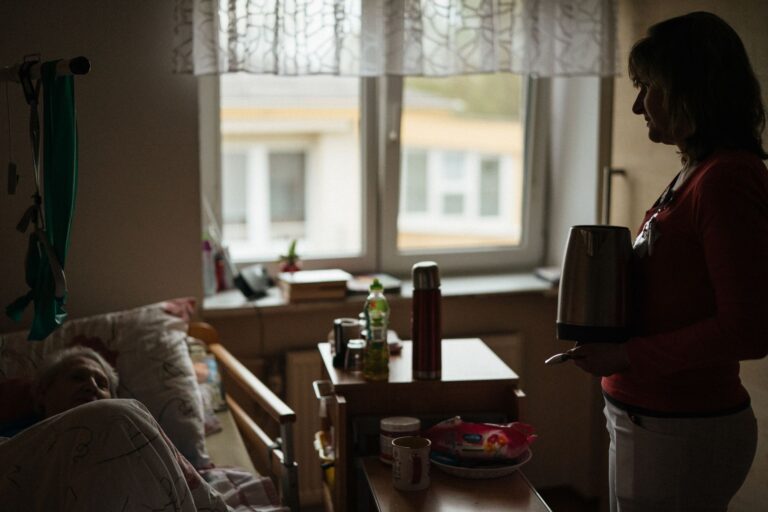
For people over 60, the leading cause of SI joint pain is osteoarthritis, the same wear-and-tear degeneration that damages knees and hips. The cartilage lining the sacroiliac joint gradually thins over decades of use, and the joint surfaces begin grinding against each other with less cushioning. Osteoarthritis affects an estimated 32.5 million adults in the United States according to the CDC, and while the knee and hip get most of the clinical attention, the SI joint is frequently involved. SI joint degeneration follows a bimodal age distribution, peaking in younger adults who sustain sports injuries or go through pregnancy, and then again in older adults dealing with cumulative joint breakdown. For someone caring for an aging parent with dementia who is also complaining of lower back or buttock pain, osteoarthritis of the SI joint is one of the first possibilities worth investigating. The second major cause is ankylosing spondylitis and related inflammatory arthropathies.
Ankylosing spondylitis is a chronic inflammatory disease that targets the spine and sacroiliac joints specifically, affecting approximately 0.2 to 0.5 percent of the general population according to data compiled in StatPearls. Unlike osteoarthritis, which worsens with activity, inflammatory SI joint pain tends to be worst in the morning or after prolonged rest and improves with movement. Psoriatic arthritis, reactive arthritis, and arthritis associated with inflammatory bowel diseases like Crohn’s disease and ulcerative colitis can also inflame the SI joint. The distinction matters clinically because inflammatory causes often respond to biologic medications and disease-modifying therapies, while degenerative arthritis is managed more through physical therapy, joint injections, and lifestyle modification. A practical comparison: if someone’s SI joint pain is stiff and severe first thing in the morning but loosens up after 30 minutes of gentle movement, that pattern points toward an inflammatory cause. If the pain builds throughout the day and worsens after prolonged standing or walking, degeneration is more likely. Both can coexist in the same person, which complicates diagnosis, but getting the distinction right changes the treatment path significantly.

How Trauma and Pregnancy Contribute to Sacroiliac Joint Dysfunction
Traumatic injury to the pelvis is a well-documented cause of SI joint pain, especially in younger populations. Falls, motor vehicle accidents, and direct impacts to the pelvic region can damage the ligaments that hold the sacroiliac joint stable, or can injure the joint surfaces themselves. A single high-force event, like a side-impact car collision, can shift the alignment of the SI joint enough to produce chronic dysfunction that persists long after the initial bruising heals. This is one reason SI joint pain sometimes surfaces weeks or months after an accident, once the acute soft tissue injuries have resolved and the underlying joint instability becomes the dominant pain source. Pregnancy and postpartum changes represent the fourth major cause and are among the most common triggers in women of childbearing age.
During pregnancy, the hormone relaxin loosens the ligaments throughout the pelvis, including those stabilizing the SI joint, to prepare for childbirth. Combined with altered gait mechanics and the shifting center of gravity from a growing abdomen, the SI joint absorbs significantly more stress than usual. SI joint pain is reported in up to 50 to 80 percent of pregnant women experiencing low back or pelvic pain, according to a 2022 review in American Family Physician. For most women, this resolves postpartum as hormone levels normalize, but a subset develops persistent SI joint dysfunction that can last months or years. However, if pelvic pain during pregnancy is accompanied by fever, severe unilateral pain, or an inability to bear weight, those symptoms may point beyond routine ligamentous laxity toward something more serious, including infection or pubic symphysis separation. Pregnancy-related SI joint pain is common enough that it risks being dismissed as “just part of being pregnant,” which can delay the identification of rarer but more urgent conditions.
When Walking Patterns and Leg Length Differences Stress the SI Joint
Gait abnormalities and leg length discrepancy make up the fifth cause and are often overlooked in clinical evaluations focused on imaging and blood work. Conditions that alter walking mechanics, including scoliosis, structural or functional leg length differences, Achilles tendon ruptures, and ACL injuries, create uneven loading across the pelvis. Over months and years, this asymmetric force distribution stresses one SI joint more than the other, producing chronic dysfunction. A concrete example: a man who ruptured his Achilles tendon playing weekend basketball and never fully rehabilitated his gait may develop contralateral SI joint pain two years later, with no obvious connection to the original injury unless someone evaluates his walking pattern. The sixth cause, hypermobility and joint laxity, is essentially the opposite mechanical problem. Instead of abnormal external forces being applied to a normal joint, the joint itself is too loose and moves more than it should.
This can result from inherited connective tissue disorders like Ehlers-Danlos syndrome or from generalized ligament laxity. Hypermobility-related SI joint pain is more common in younger women and produces a distinctive pattern of pain that worsens with prolonged standing or transitional movements like getting out of a car. The challenge with hypermobility is that many of the treatments designed for a stiff or degenerated SI joint, like manipulation or mobilization, can actually make a hypermobile joint worse. Stabilization through targeted strengthening of the muscles surrounding the pelvis is typically the first-line approach. For caregivers and family members of older adults with dementia, gait abnormalities deserve particular attention. Dementia-related changes in balance and walking patterns can gradually shift how force is distributed through the pelvis, potentially contributing to SI joint pain that the person may struggle to describe or localize. If someone with cognitive decline begins favoring one side, resisting movement, or showing signs of discomfort during transfers, SI joint dysfunction is worth considering alongside the more commonly suspected hip and knee problems.

SI Joint Pain After Spinal Surgery and What to Expect
The seventh cause, prior lumbar spine surgery, has gained increasing recognition over the past two decades. Lumbar fusion surgery, which locks one or more vertebral segments together to treat disc disease or instability, is a recognized risk factor for subsequent SI joint dysfunction. The mechanics are straightforward: when one segment of the spine is fused and can no longer move, the joints above and below it absorb compensatory stress. The SI joint, sitting directly below the lumbar spine, often bears the brunt of this transferred load. Studies show that up to 40 to 60 percent of patients with persistent pain after lumbar fusion may have SI joint dysfunction as the pain generator, according to both the 2022 AAFP review and StatPearls evidence summaries. This creates a difficult tradeoff for patients and surgeons alike.
Lumbar fusion may successfully address the original spinal problem, but at the cost of creating a new pain source in the SI joint. The pain pattern can be nearly identical, lower back pain radiating into the buttock and sometimes down the leg, which makes it easy to attribute post-surgical pain to a failed fusion or adjacent disc disease rather than recognizing the SI joint as the culprit. Diagnostic SI joint injections, where a local anesthetic is placed directly into the joint under fluoroscopic guidance, are considered the most reliable way to confirm whether the SI joint is generating the pain. For anyone considering lumbar fusion or caring for someone who has already had the procedure, awareness of this connection is important. Persistent or new-onset lower back and buttock pain after lumbar fusion should prompt evaluation of the SI joint specifically, rather than defaulting to the assumption that the fusion itself has failed. Physical therapy focused on pelvic stabilization can be started early after surgery to reduce the risk of developing SI joint problems.
Infection of the SI Joint and Why It Demands Urgent Attention
The eighth and final cause, septic sacroiliitis, is rare but serious. Bacterial infection of the SI joint accounts for only 1 to 2 percent of all septic arthritis cases, but it can cause severe pain, high fever, and systemic illness if not identified and treated promptly. Risk factors include intravenous drug use, immunosuppression from medications or conditions like HIV, and endocarditis, an infection of the heart valves that can seed bacteria to joints throughout the body. The warning with septic sacroiliitis is that its rarity works against it diagnostically. A patient presenting with sudden, severe, one-sided lower back or buttock pain and fever may initially be evaluated for kidney infection, appendicitis, or a psoas abscess before anyone considers the SI joint.
In immunocompromised individuals, including older adults on corticosteroids or chemotherapy, the fever response may be blunted, further obscuring the diagnosis. If someone who is already medically vulnerable develops acute SI joint area pain with any systemic signs of infection, imaging and blood cultures should be pursued without delay. Treatment typically requires intravenous antibiotics and sometimes surgical drainage, and outcomes are generally good when the condition is caught early. The broader lesson is that while most SI joint pain is mechanical or degenerative in nature, assuming that all SI joint pain is benign can be dangerous in the right clinical context. Fever, rapid onset, and an immunocompromised state should change the urgency of evaluation.

Risk Factors That Make SI Joint Problems More Likely
Beyond the eight direct causes, several risk factors increase the likelihood of developing SI joint pain regardless of the specific mechanism. Female sex is a consistently documented risk factor, owing to the wider pelvis, hormonal influences on ligament laxity, and the biomechanical stresses of pregnancy. Obesity places additional load on the SI joint with every step, accelerating degeneration and increasing the stress on already compromised ligaments. Occupational and athletic overuse, particularly activities involving repetitive unilateral loading like running, gymnastics, or jobs requiring frequent heavy lifting from asymmetric positions, contribute to cumulative joint stress.
SI joint pain follows a bimodal age distribution, which means it does not simply increase linearly with age the way some conditions do. The first peak occurs in younger adults, driven by sports injuries, pregnancy, and hypermobility. The second peak occurs in older adults, driven by degeneration and post-surgical stress. This distribution means that SI joint dysfunction should remain on the differential diagnosis across a wide age range, not just in the elderly population where chronic low back pain is often reflexively attributed to the lumbar discs.
Living with SI Joint Pain and the Path Forward
Diagnosis of SI joint dysfunction has improved considerably with the use of provocative physical examination maneuvers and confirmatory diagnostic injections, but it remains a condition that is frequently missed on first evaluation. MRI and CT scans can show structural changes but often appear normal in patients with significant SI joint pain, which is why clinical assessment and injection-based diagnosis remain the standard. For caregivers managing the health of someone with cognitive decline, the challenge is compounded by the patient’s inability to clearly describe or localize symptoms. Looking ahead, treatment options continue to expand.
Physical therapy emphasizing core and pelvic stabilization remains the foundation. SI joint injections with corticosteroids provide medium-term relief for many patients. For those who do not respond to conservative measures, minimally invasive SI joint fusion procedures have shown promising results in clinical trials and are becoming more widely available. The key for patients and caregivers alike is recognizing that SI joint pain is a legitimate, diagnosable, and treatable condition, not simply an inevitable part of aging or something to endure without investigation.
Conclusion
SI joint dysfunction is a significant and underrecognized source of chronic lower back pain, responsible for an estimated 15 to 30 percent of cases. The eight primary causes, ranging from osteoarthritis and inflammatory disease to trauma, pregnancy, gait abnormalities, hypermobility, post-surgical stress, and infection, span nearly every age group and demographic. Understanding which cause is driving the pain is essential because treatments differ substantially depending on the underlying mechanism.
If you or someone you care for is dealing with persistent lower back or buttock pain that has not responded to standard treatments, ask specifically about the sacroiliac joint. Request a clinical examination that includes SI joint provocation tests, and discuss the potential value of a diagnostic injection. For caregivers of individuals with dementia or cognitive impairment, pay close attention to changes in gait, reluctance to move, or discomfort during transfers, as these may be the only visible signals of SI joint pain in someone who cannot easily describe what they are feeling.
Frequently Asked Questions
How do I know if my lower back pain is coming from my SI joint or my lumbar spine?
The two can feel very similar, but SI joint pain typically centers in the buttock and may radiate into the back of the thigh, while lumbar disc pain more often radiates below the knee. The most reliable way to distinguish them is a diagnostic SI joint injection performed under fluoroscopic guidance. If the injection temporarily eliminates the pain, the SI joint is confirmed as the source.
Can SI joint pain develop even without an obvious injury or medical condition?
Yes. Repetitive low-grade stress from activities like long-distance running, prolonged sitting in awkward positions, or occupational lifting can produce SI joint dysfunction over time without a single identifiable event. Obesity and subtle gait asymmetries also contribute to gradual onset.
Is SI joint pain permanent?
Not necessarily. Many cases respond well to physical therapy focused on pelvic stabilization, and corticosteroid injections can provide months of relief. For refractory cases, minimally invasive SI joint fusion has demonstrated durable outcomes. The key is accurate diagnosis, because treatment aimed at the wrong structure will not help.
Why is SI joint pain so common after lumbar fusion surgery?
When lumbar vertebrae are fused, those segments can no longer absorb or distribute movement. The SI joint, located directly below the lumbar spine, compensates by absorbing more mechanical stress. Studies estimate that 40 to 60 percent of patients with persistent pain after lumbar fusion may actually have SI joint dysfunction as the primary pain source.
Should pregnant women be concerned about long-term SI joint damage?
For most women, pregnancy-related SI joint pain resolves within several months postpartum as relaxin levels drop and ligaments regain their normal tension. However, a subset of women develops persistent dysfunction, particularly after difficult deliveries or when pre-existing hypermobility is present. Early postpartum physical therapy can reduce this risk.
How common is SI joint infection, and who is at risk?
Septic sacroiliitis is rare, accounting for only 1 to 2 percent of all septic arthritis cases. It primarily affects people with compromised immune systems, those who use intravenous drugs, or individuals with endocarditis. Despite its rarity, it requires urgent treatment with intravenous antibiotics and sometimes surgical drainage.