Six targeted exercises can meaningfully reduce sacroiliac joint pain by strengthening the muscles that stabilize the pelvis and stretching the tissues that pull it out of alignment. The knee-to-chest stretch, clamshell, glute bridge, dead bug, hamstring stretch, and bird dog form a well-rounded routine that physical therapists frequently prescribe as a first-line treatment, and a January 2025 systematic review in the European Journal of Orthopaedic Surgery and Traumatology, analyzing 2,666 patients across 38 studies, confirmed that conservative treatment combining pelvic stabilization exercises, focused stretching, and patient education remains the recommended starting approach. For the millions of older adults living with lower back pain, this matters enormously, because the American Academy of Family Physicians estimates that SI joint dysfunction accounts for 15 to 30 percent of all lower back pain cases.
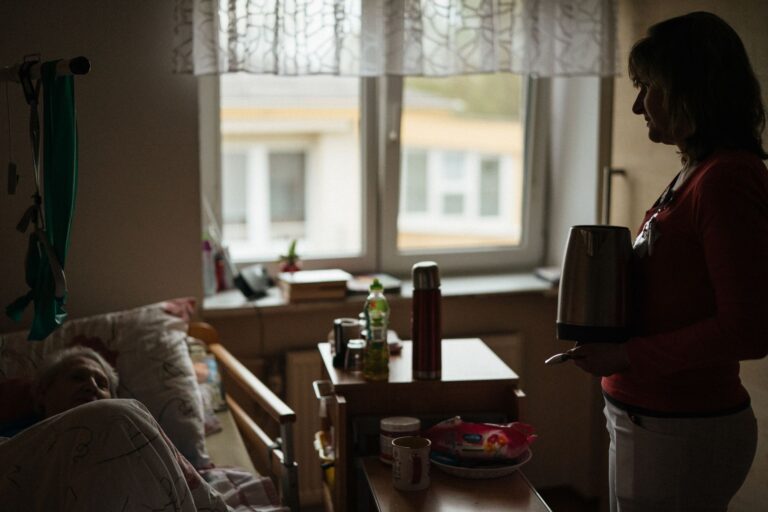
What makes SI joint pain particularly relevant to aging adults and those caring for someone with cognitive decline is the cascade it triggers. Chronic pain disrupts sleep, limits mobility, increases fall risk, and in people with dementia, often manifests as agitation or behavioral changes rather than a clear complaint of “my back hurts.” A person with moderate Alzheimer’s who begins refusing to walk or becomes more restless at night may actually be dealing with untreated SI joint dysfunction. The exercises outlined in this article are low-impact, can be performed on a bed or floor mat, and in many cases can be guided by a caregiver. This article walks through each movement in detail, explains the research behind exercise-based SI joint treatment, identifies which movements to avoid, and offers practical guidance for adapting these exercises to older adults with varying levels of physical and cognitive ability.
Table of Contents
- What Are the Best Exercises for SI Joint Pain and Why Do They Work?
- Stretches That Relieve SI Joint Compression
- Strengthening the Gluteal Muscles to Stabilize the Pelvis
- Core Stability Exercises That Protect the SI Joint Without Straining It
- Exercises to Avoid and Warning Signs to Watch For
- Adapting SI Joint Exercises for People With Cognitive Decline
- Long-Term Management and the Role of Consistent Movement
- Conclusion
- Frequently Asked Questions
What Are the Best Exercises for SI Joint Pain and Why Do They Work?
The sacroiliac joint sits where the base of the spine meets the pelvis, and unlike the knee or shoulder, it is not designed for large ranges of motion. Its primary job is to transfer load between the upper body and the legs, and it depends heavily on the surrounding muscles and ligaments to stay stable. When the gluteal muscles weaken, the hamstrings tighten, or the core loses its ability to brace the trunk, the SI joint absorbs forces it was never meant to handle alone. The six exercises recommended for SI joint pain target these exact deficiencies: the knee-to-chest stretch and hamstring stretch address tightness that pulls the pelvis into poor alignment, while the clamshell, glute bridge, dead bug, and bird dog rebuild the strength and coordination that keep the joint stable during movement.
A 2024 randomized controlled trial published in Frontiers in Physiology demonstrated that combining mobilization with movement and core stability exercises produced significantly greater reductions in pain and disability compared to core stability exercises alone. The participants who received the combined approach also showed improved lumbopelvic stability and increased range of motion. This finding underscores a key principle: stretching and strengthening work best together. Doing only one without the other often produces temporary relief that fades because the underlying imbalance remains. For a 72-year-old who notices a deep ache on one side of the lower back after sitting for extended periods, this combination approach, performed consistently three to four times per week, can reduce pain substantially within a matter of weeks.
Stretches That Relieve SI Joint Compression
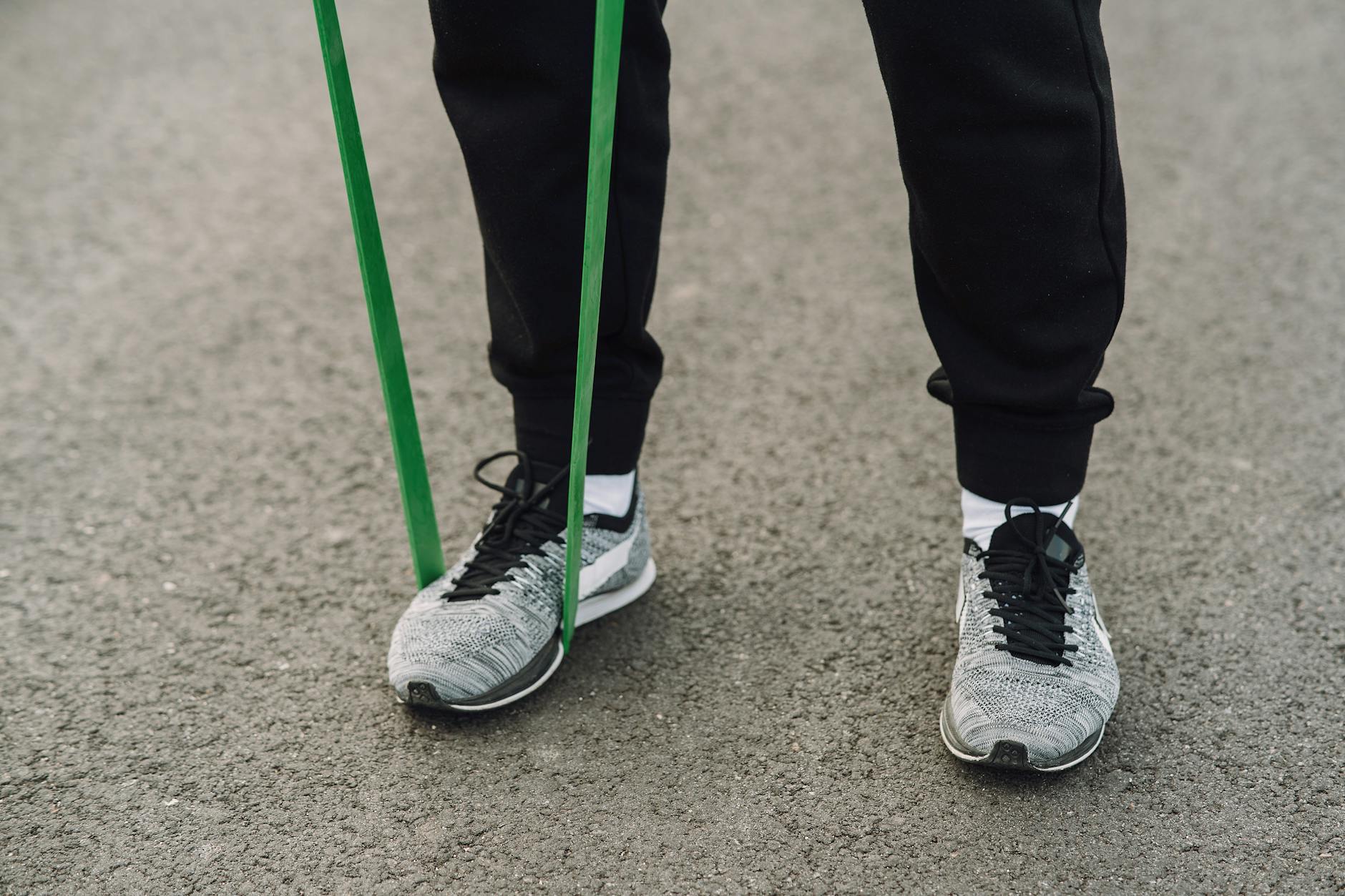
The knee-to-chest stretch is one of the simplest and most effective movements for SI joint relief. Lying on the back, the person draws one knee toward the chest, holds the position for five to ten seconds, then switches to the other leg, completing eight to ten repetitions per side. This stretch targets the glutes and lower back, gently reducing the compressive forces that build up around the SI joint during prolonged sitting or standing. Kaiser Permanente and Alberta Health Services both recommend it as a foundational exercise for sacroiliac pain management. The hamstring stretch works along similar principles but addresses a different link in the chain.
Lying on the back, the person loops a towel under one foot, straightens the knee, and gently pulls the leg back until a stretch is felt along the back of the thigh. The hold should last 15 to 30 seconds, ideally building up to a full minute over time. Tight hamstrings contribute to a posterior pelvic tilt that shifts stress directly onto the SI joint, and this connection is frequently overlooked. However, if someone has significant osteoporosis or a recent hip replacement, this stretch may need to be modified or avoided entirely. In those cases, a physical therapist can suggest alternatives that achieve the same lengthening effect without placing the hip in a vulnerable position. The point is not to push through discomfort but to gently restore length to muscles that have shortened over months or years of limited movement.
Strengthening the Gluteal Muscles to Stabilize the Pelvis
The clamshell exercise targets the gluteus medius, a muscle on the outer hip that plays a critical role in pelvic stability. To perform it, the person lies on their side with knees bent at roughly 45 degrees, then lifts the top knee while keeping the feet together, holds for about six seconds, and lowers slowly. Eight to twelve repetitions per side is the standard recommendation from both Kaiser Permanente and Surrey Physio. The movement is small and controlled, which makes it particularly suitable for older adults who may not tolerate standing exercises well. A caregiver can assist by placing a hand lightly on the person’s hip to provide a tactile cue about the direction of movement, which is especially helpful for individuals with dementia who may struggle with verbal instructions alone.
The glute bridge builds on the clamshell by engaging the entire posterior chain. Lying on the back with knees bent and feet flat, the person squeezes the glutes, lifts the hips off the surface, and for an added challenge, extends one leg while holding the bridge position. Surrey Physio and Spine-Health recommend 10 repetitions per side across two sets. For someone who finds the single-leg variation too demanding, the standard double-leg bridge is a perfectly effective starting point. Consider a woman in her late sixties who has been caring for her husband with Lewy body dementia and has developed chronic lower back and pelvic pain from the physical demands of caregiving. A daily routine of clamshells and bridges, taking no more than ten minutes, can begin to reverse the gluteal weakness that allowed the SI joint to become symptomatic in the first place.
Core Stability Exercises That Protect the SI Joint Without Straining It
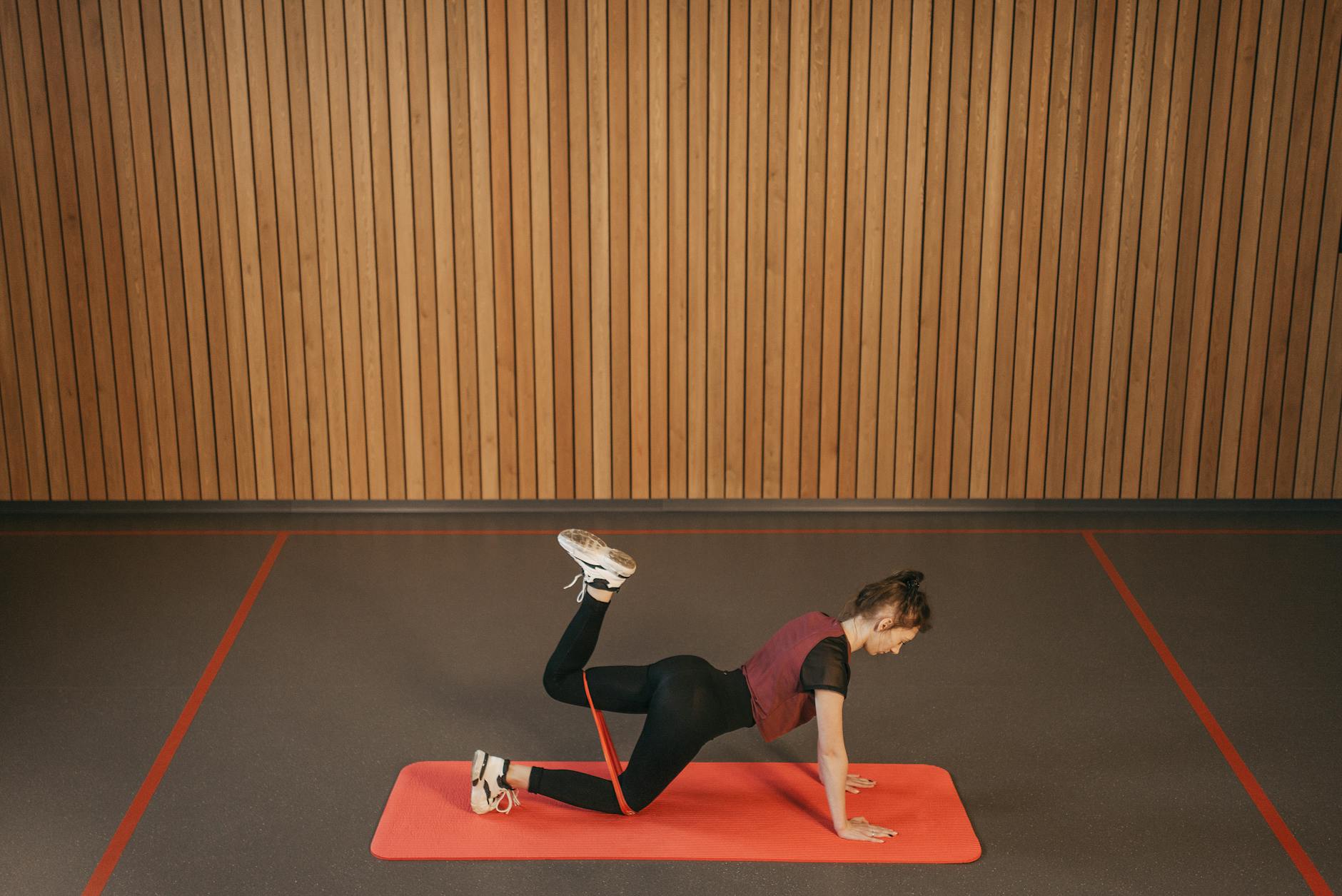
The dead bug exercise and the bird dog both build core stability, but they do so in different positions and challenge the body in complementary ways. The dead bug is performed lying face up: the person starts with both arms extended toward the ceiling and both knees bent at 90 degrees, then slowly extends the opposite arm and leg toward the floor while keeping the lower back pressed flat against the surface. The key is maintaining core engagement throughout the movement so the pelvis does not shift or rotate. BraceAbility and REPAIR SI both recommend this exercise specifically because it builds abdominal and low-back stability without adding stress to the SI joint. The bird dog works from a hands-and-knees position.
The person extends one arm forward and the opposite leg backward simultaneously, holds briefly, then returns to the starting position and switches sides. Maintaining a neutral spine throughout is essential, and this is where the exercise becomes both its greatest strength and its greatest limitation for certain populations. Someone with moderate to advanced dementia may find the hands-and-knees position disorienting or may lack the proprioceptive awareness to keep the spine neutral. In that case, the dead bug, performed lying down, is the safer and more practical choice. The tradeoff is that the bird dog challenges balance and coordination more aggressively, which means for a cognitively intact older adult, it provides a more comprehensive training stimulus. Choosing between them is not about which is “better” but about which is appropriate for the individual.
Exercises to Avoid and Warning Signs to Watch For
Not every exercise that seems helpful is actually safe for an irritated SI joint. Heavy squats, traditional sit-ups and crunches, high-impact running, and any movement that involves twisting the pelvis under load can aggravate SI joint inflammation rather than resolve it. Sit-ups are a particularly common mistake because people associate them with core strength, but the repeated spinal flexion they require places shearing forces across the SI joint that can intensify pain. For someone who has been told to “strengthen the core” but has not received specific guidance, this distinction is critical. The overarching rule is simple: exercises should not make the pain worse.
A brief increase in stiffness during or after a new exercise is normal, but sharp pain, pain that lingers for hours afterward, or pain that is noticeably worse the following day are all signals to stop and reassess. This is especially important in dementia care, where the person performing the exercises may not be able to articulate what they are feeling. Caregivers should watch for facial grimacing, guarding movements, refusal to continue, or increased agitation after exercise sessions. These behavioral cues are often the only available feedback. If symptoms worsen despite appropriate exercise, the situation warrants professional evaluation, because SI joint pain can occasionally be caused by conditions such as ankylosing spondylitis or sacral stress fractures that require medical rather than exercise-based treatment.

Adapting SI Joint Exercises for People With Cognitive Decline
Guiding someone with dementia through a physical therapy routine requires a different approach than handing a printed exercise sheet to a cognitively healthy adult. Short, consistent verbal cues work better than lengthy explanations. Demonstrating the movement alongside the person, or gently guiding their limbs through the range of motion, can be more effective than words alone.
Breaking the routine into two or three exercises per session rather than attempting all six at once reduces frustration and improves compliance. A morning routine might include the knee-to-chest stretch and clamshell, while an afternoon session covers the glute bridge and hamstring stretch. One physical therapist working with memory care residents in a Midwest assisted living facility found that pairing each exercise with a familiar song created a rhythmic structure that helped residents with moderate Alzheimer’s complete their repetitions more consistently than verbal counting alone.
Long-Term Management and the Role of Consistent Movement
According to the rehabilitation guidelines outlined by SI-BONE, the goals of SI joint rehabilitation extend beyond pain relief to restoring optimal alignment of the lumbar spine, SI joint, and hip joints, and optimizing functional stability of the lumbopelvic region. This is not a one-week project.
Research published in PubMed in 2021 found that adding sacroiliac-specific exercises to manual therapy further increases long-term effectiveness compared to manipulation alone, suggesting that exercise is not merely a supplement to hands-on treatment but a necessary component of durable improvement. For older adults and their caregivers, building a sustainable habit matters more than achieving perfect form on day one. Even a simplified version of these six exercises, performed three times per week with gentle guidance, represents a meaningful investment in mobility, pain reduction, and quality of life.
Conclusion
SI joint dysfunction is a common and underrecognized source of lower back pain, particularly in older adults whose muscle strength, flexibility, and movement patterns have changed over time. The six exercises outlined here, the knee-to-chest stretch, clamshell, glute bridge, dead bug, hamstring stretch, and bird dog, address the condition from multiple angles by releasing tight muscles, rebuilding gluteal and core strength, and restoring the stability the SI joint needs to function without pain. The evidence from a large 2025 systematic review and a 2024 randomized controlled trial supports this conservative approach as a first-line treatment. For caregivers of people with dementia, these exercises carry added significance.
Unmanaged pain drives behavioral symptoms, limits participation in daily activities, and accelerates physical decline. Starting slowly, adapting the exercises to the person’s cognitive and physical abilities, and watching for nonverbal pain signals are all part of making this approach work in real-world care settings. A conversation with a physical therapist who has experience with older adults can help tailor the routine further, but the exercises themselves are accessible enough to begin at home with minimal equipment. The most important step is the first one.
Frequently Asked Questions
How often should SI joint exercises be performed?
Most physical therapists recommend three to five times per week. Daily gentle stretching is generally safe, while strengthening exercises like the clamshell and glute bridge benefit from a rest day between sessions to allow muscle recovery.
Can SI joint exercises be done in bed?
Yes. The knee-to-chest stretch, hamstring stretch, dead bug, and glute bridge can all be performed on a firm mattress, which makes them practical for people with limited mobility or those who have difficulty getting down to the floor.
How long does it take for SI joint exercises to reduce pain?
Many people notice some improvement within two to four weeks of consistent practice. However, meaningful and lasting changes in stability and pain levels typically require six to twelve weeks. The January 2025 systematic review noted a mean follow-up period of about 14.7 months across the studies analyzed, reflecting the long-term nature of effective management.
Should I use heat or ice before doing SI joint exercises?
Applying moist heat for 10 to 15 minutes before stretching can help relax tight muscles and make the exercises more comfortable. Ice is better suited for use after exercise if there is any increase in inflammation or soreness. Neither replaces the exercises themselves.
When should someone see a doctor instead of exercising?
If SI joint pain is accompanied by numbness or tingling down the leg, fever, unexplained weight loss, or pain that worsens progressively despite appropriate exercise, medical evaluation is necessary. These symptoms may indicate an underlying condition that exercise alone cannot address.