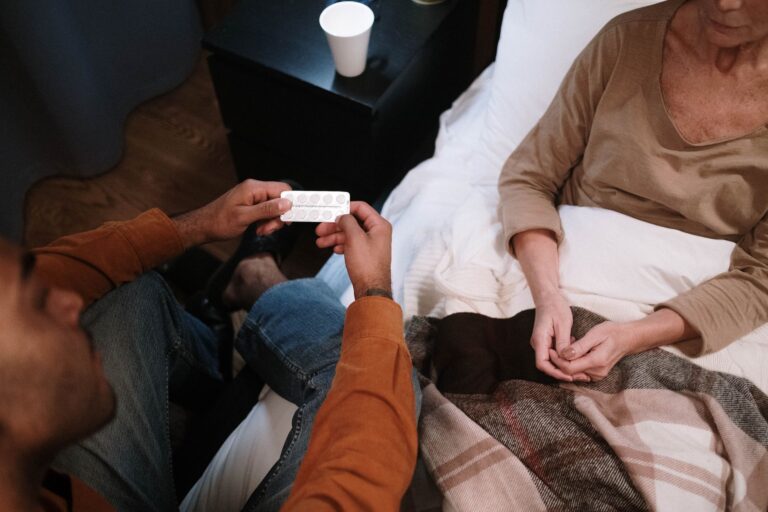
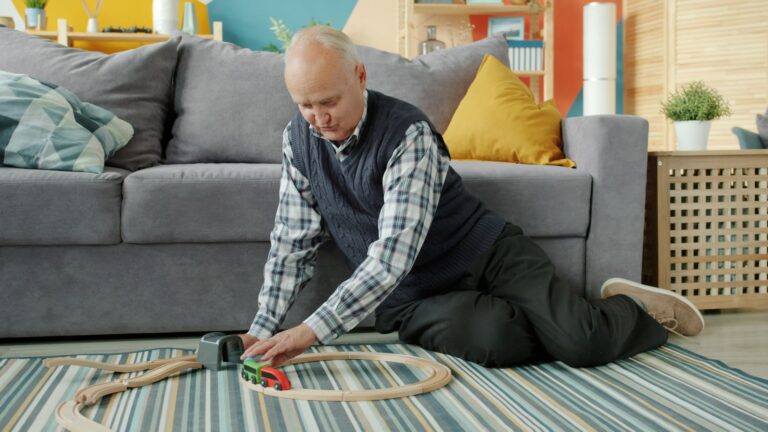
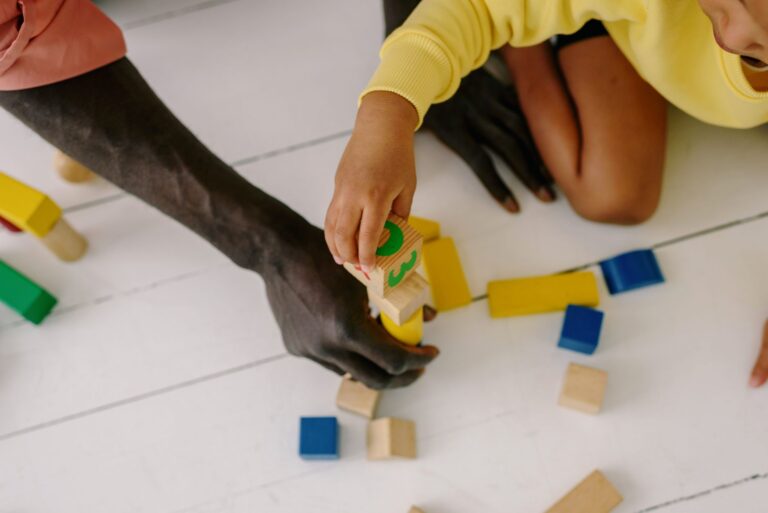
For a memory-care sensory room, a calm space that eases daily life for people with dementia through gentle light, sound and touch, the trending toys that work best are fidget sets, latches boards, pop-its, plastic nuts-and-bolts sets and singing plush animals. Textured hand turners and responsive companion cats also work well because they offer repetitive motion and soothing company. Use them as comfort and engagement tools, not treatment. The right mix depends on dementia stage, senses addressed and safety.
Medical information disclaimer: This article is for general educational purposes only and does not provide medical advice, diagnosis, or treatment. Always consult a physician or other qualified health professional about symptoms, medications, tests, or treatment decisions.
Table of Contents
- Which fidget tools calm restless hands?
- Do companion pets and music lift mood?
- How do you cover all six senses?
- What results can families expect?
- How do you match items and stay safe?
Which fidget tools calm restless hands?
A 26-pack of sensory fidget toys, latches boards, pop-its and plastic nuts-and-bolts sets are popular because they are simple, sturdy and easy to hold. They let a person twist, press, open and match pieces without rules or failure.
Relish sells the Tactile Turn for mid-to-late-stage dementia, with yellow ribbed, navy velvet and blue ribbed textures around a repetitive turning action. Fiddle muffs and varied fabrics serve the same need when a person rubs, pulls or explores with fingers.
- Offer one item at a time to avoid choice overload
- Choose large pieces that fit the hand and stage
- Remove small detachable parts or supervise closely
Do companion pets and music lift mood?
Singing plush animals combine soft touch, familiar songs and gentle motion. DailyCaring lists them among trending calming activities to reduce agitation and boost mood, in DailyCaring's 2026 activities guide. Ageless Innovation's Joy for All companion cats respond to touch and voice with purring, meowing and movement.
They need no Wi-Fi, app or camera and run on batteries, so staff can place them on a lap or bed. Music with gentle movement also helps communication and eases restlessness. Victorian health guidance recommends music-movement activities, food handling, gardening, tactile rugs and animal therapy, described in Victorian sensory-stimulation guidance.
How do you cover all six senses?
University of Southampton researchers advise memory-care sensory rooms stimulate sight, sound, touch, taste, smell and movement, explained in the University's 2014 dementia-care findings. They suggest soft textiles, familiar objects, scents, flavours, nature sounds and simple films. Keep each sense mild and familiar.
Use soft light, low nature sounds, lavender scent, cozy cushions and a simple film or photo. Add taste and smell only in small, safe amounts. A sip of juice, a familiar spice scent or fresh air from a garden visit can aid focus and talk.
What results can families expect?
In Dr. Lesley Collier's Southampton study, individually adapted sensory spaces improved everyday motor performance in 74% of participants. Cognitive tasks like remembering and problem-solving improved in 63%. Those gains came from tailored input, not from toys alone.
Match texture, sound and light to what the person likes and tolerates. The limit matters. SENSEi's summary notes the updated Cochrane review on multisensory stimulation in dementia found no significant effects on behaviour, mood, cognition or communication, as reported in SENSEi's multisensory-room guide. Plan for comfort, attention and connection, not proven treatment.
How do you match items and stay safe?
Start with dementia stage and current mood. Lavender scent and soft light can calm anxiety, while varied fabrics and turning tools can settle restless hands. Balance input across senses and watch for overload.
Lower noise, dim bright screens and pause scent if the person turns away, frowns or grows louder. Check toys before each use for loose buttons, batteries and sharp edges. Store small parts out of reach and supervise mouthing, pulling or wandering.