Crosswords and jigsaw puzzles have the strongest support for people in the early stages of cognitive decline. Familiar word searches, Sudoku and simple card and board games also help by keeping memory, reasoning and social contact active. Doctors call this stage mild cognitive impairment.
It means clear memory or thinking changes that do not stop daily life. At this point puzzles cannot cure dementia. They can offer active, enjoyable practice for attention and memory.
Medical information disclaimer: This article is for general educational purposes only and does not provide medical advice, diagnosis, or treatment. Always consult a physician or other qualified health professional about symptoms, medications, tests, or treatment decisions.
Table of Contents
- Why do crosswords stand out?
- Do regular puzzlers stay sharper?
- What makes jigsaws demanding?
- How should families pick puzzle toys?
Why do crosswords stand out?
In 107 adults with mild cognitive impairment, average age 71, researchers tested intensive home-based web crosswords with boosters to 78 weeks. Crosswords improved ADAS-Cog scores, a common memory and thinking test, while computerized games slightly worsened them. The Duke Scholars summary of the Devanand trial reports a 1.44-point adjusted difference favoring crosswords the Duke trial summary.
Daily functioning also declined less with crosswords than with games. MRI scans showed smaller decreases in hippocampal volume and cortical thickness for crossword trainees. These brain areas support memory and thinking.
Do regular puzzlers stay sharper?
Among more than 19,000 adults age 50-plus in the Exeter-King's College PROTECT cohort, frequent word- and number-puzzle use was linked to better attention, reasoning and memory. Regular word-puzzlers scored like people about 10 years younger on grammatical reasoning. The universities reported the findings through MedicalXpress the Exeter-King's College report.
This link does not prove that puzzles prevent dementia. It shows that frequent puzzlers tend to test sharper on those skills. For readers, it means crosswords and number puzzles fit well into a brain-healthy routine.
What makes jigsaws demanding?
Jigsaw puzzling draws at once on visual perception, or seeing patterns, and constructional praxis, or building parts by sight. It also uses mental rotation, processing speed, flexibility, working memory, reasoning and episodic memory. Puzzle skill correlates strongly with global visuospatial cognition, or understanding where objects sit in space, according to Fissler and colleagues the Frontiers in Aging Neuroscience review.
Lifetime jigsaw experience stayed linked to better visuospatial thinking after accounting for other risk and protective factors. That supports jigsaws as a possible protective leisure habit. It does not prove prevention.
How should families pick puzzle toys?
Short-term training does not always transfer to overall thinking. In a 30-day randomized test, Fissler and colleagues found daily puzzling did not beat counseling alone for overall visuospatial cognition. Other crossword-trial secondary outcomes also showed no difference. For early-stage support, guidance from the Alzheimer's Association and Healthline medical review favors familiar, failure-free play Healthline's medically reviewed guide.
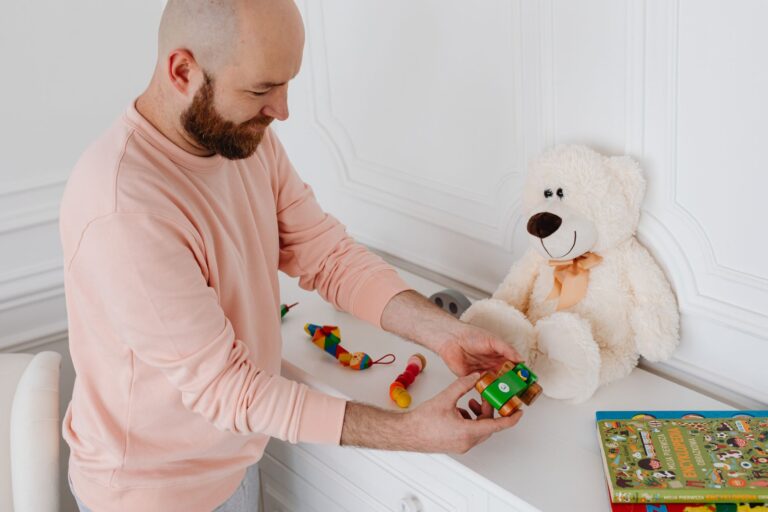
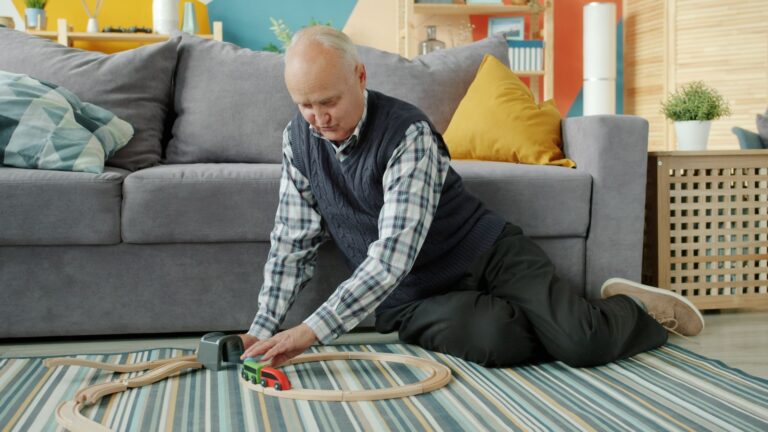
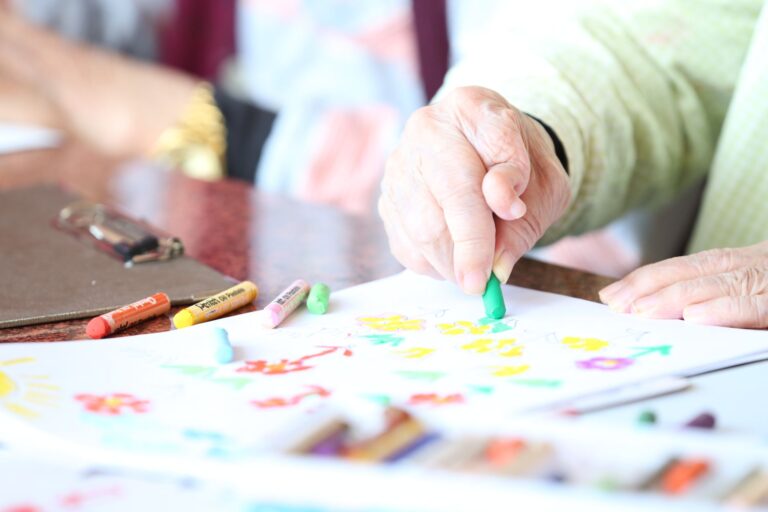
Easier crosswords keep success within reach. Large-piece jigsaws with familiar scenes reduce frustration. Choose one familiar type and keep sessions short and social. Stop when fatigue or frustration appears. The aim is active engagement, not a cure.
- easier crosswords with large print and clear clues
- large-piece 100–300-piece jigsaws with familiar scenes
- word-search puzzles and simple Sudoku for short sessions
- familiar card and board games for memory, reasoning and company