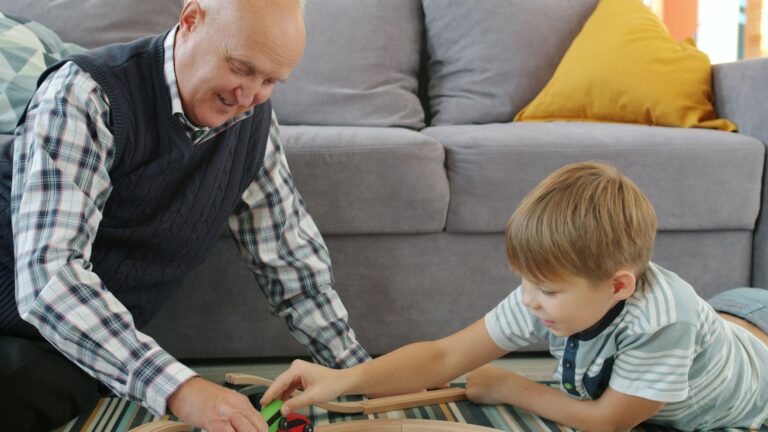
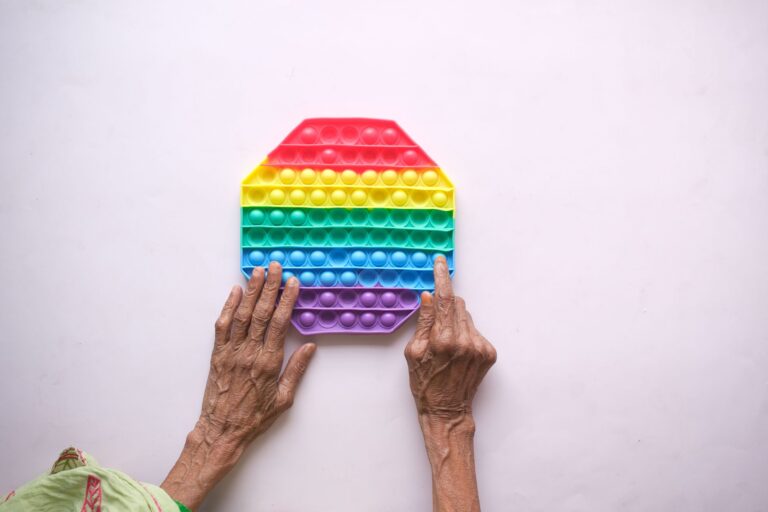
Fidget muffs, sensory blankets, activity boards, soft therapy dolls, robotic pets and familiar music help caregivers calm sundown agitation. Sundowning is restlessness, agitation, irritability and confusion that begins or worsens as daylight fades, according to the National Institute on Aging. The late-afternoon window is hard because fatigue rises just when caregivers need a break. A small, familiar object that occupies the hands or attention can redirect distress into gentle engagement.
Medical information disclaimer: This article is for general educational purposes only and does not provide medical advice, diagnosis, or treatment. Always consult a physician or other qualified health professional about symptoms, medications, tests, or treatment decisions.
Table of Contents
- How does distraction work at sundown?
- Which hands-on toys soothe restless hands?
- Do dolls and robotic pets comfort?
- How do you pick the right toy for the evening?
How does distraction work at sundown?
The National Institute on Aging advises caregivers to distract an agitated person with a favorite snack, object or simple activity, described in its tips for coping with sundowning. Examples include offering a drink, folding towels, or playing familiar music or TV. Start the activity before agitation peaks.
Keep the choice simple, familiar and easy to stop. A calm voice and steady routine strengthen the effect. The toy does not fix confusion, but it gives restless energy somewhere safe to go.
Which hands-on toys soothe restless hands?
Fidget muffs, sensory blankets and activity boards with zippers, buttons and textures provide soothing tactile stimulation, according to the Alzheimer Society of Durham Region in its holiday gift ideas for people with dementia. They encourage gentle engagement and can calm restlessness. Choose soft fabrics, large loops, easy pulls and varied textures.
Avoid small beads, sharp edges, long cords and complicated clasps. Place one item within reach in the usual evening chair. If the person pushes it away, swap textures rather than urging harder.
Do dolls and robotic pets comfort?
Soft therapy dolls and lifelike robotic pets offer comfort and companionship through a nurturing connection that can reduce anxiety, according to the Alzheimer Society of Durham Region. The Journal of Alzheimer's Disease reported that treatment with the PARO seal robot decreased stress and anxiety and reduced use of psychoactive and pain medications in elderly clients with dementia. Results vary by person and product.
A Griffith University pilot trial in 35 long-term-care residents found lifelike baby dolls did not significantly reduce anxiety, agitation or aggression versus usual care, though pleasure displays increased, as reported in the university research record. Watch the response closely. Keep the doll or pet if stroking, holding or talking increases calm and pleasure, and set it aside if it causes possessiveness, distress or arguments.
How do you pick the right toy for the evening?
Match the toy to current dementia stage and abilities, with simple rules and large easy-to-handle pieces for safe evening use, according to the Alzheimer Society of Durham Region. A personalized music playlist is another strong evening option because a pragmatic randomized trial found preferred-music listening reduced verbally agitated behaviors and improved mood in nursing-home residents, reported in the American Journal of Geriatric Psychiatry trial summary.
Use this quick evening check: Keep lighting warm and background noise low when you offer it. Store the chosen item in the same spot each evening so it becomes a cue that rest time has started.
- Can the person hold it without help or frustration?
- Are the steps one or two actions, not a game to win?
- Is it quiet, soft and safe if dropped or mouthed?
- Does it connect to a familiar past interest, texture or song?