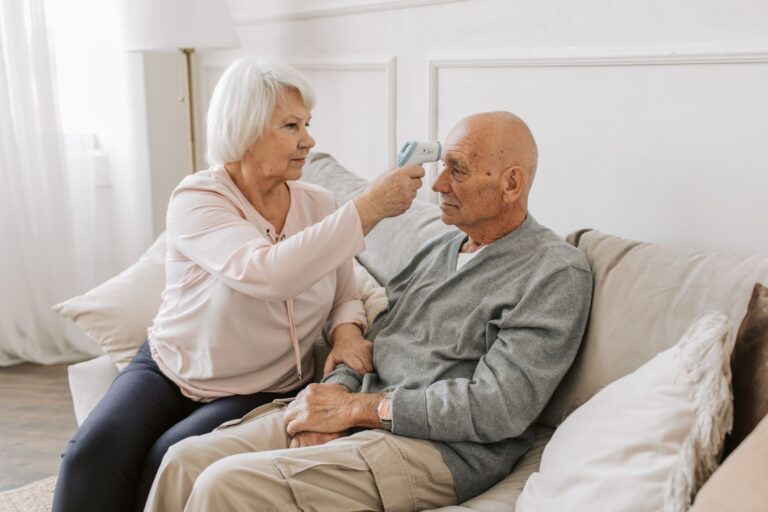
home-based dementia care research centers on independence at home, trusted daily support, and sustainable help for working carers. Working caregivers can ask local programs about navigation, 24/7 access, respite, work conflict, and simple technology. Home-based dementia care means coordinated medical, practical, and emotional support delivered where the person lives. It affects many employed carers, since the Alzheimer's Association reports 60% of Alzheimer's and dementia caregivers worked in the past year.
Medical information disclaimer: This article is for general educational purposes only and does not provide medical advice, diagnosis, or treatment. Always consult a physician or other qualified health professional about symptoms, medications, tests, or treatment decisions.
Table of Contents
- What 2026 research says matters most at home
- What to ask about navigation, access, and respite
- How to ask about work strain and mood
- How to read satisfaction promises with care
What 2026 research says matters most at home
The NIA 2026 Virtual Dementia Care and Caregiving Summit, held March 17-19, prioritized measuring economic and quality-of-life impacts and building rigorous, scalable interventions through community partnerships, according to Community Care Corps summarizing NIA in the fall newsletter summary. HHS also emphasized stronger home- and community-based services in its 2026 update to the National Plan, as reported by Home Health Care News. More than 300 people living with dementia and paid and unpaid carers across Scotland set five 2026 Grand Challenges, according to Heriot-Watt University in the university report on national priorities.
The five are independence at home, mobility and travel, simple trusted technology, social connection, and sustainable carer support. For working caregivers, these priorities point to practical checks. Ask whether a program protects independence, simplifies technology, supports travel and social connection, and plans for carer sustainability. Programs aligned with these aims fit daily work life better than visit-only care.
What to ask about navigation, access, and respite
Medicare's CMS GUIDE Model funds home-focused dementia care with a care navigator, 24/7 support access, caregiver education, and respite reimbursement up to $2,500 per eligible patient, according to the Centers for Medicare and Medicaid Services in the GUIDE Model page. The model launched July 1, 2024 for eight years. Even outside GUIDE, these features make useful questions.
Use the answers to compare workload. A navigator plus round-the-clock access reduces calls, missed work, and guesswork. Clear respite steps protect income and rest.
- Do we get a named care navigator who coordinates visits and referrals?
- Is there 24/7 access for urgent questions during work hours or nights?
- What caregiver education is included, and in what format and language?
- Do you help arrange respite and document costs for reimbursement?
How to ask about work strain and mood
A 6-month evidence-based multicomponent intervention for family dementia caregivers reduced distress, depressive symptoms, subjective burden and work-family conflict, according to INQUIRY researchers reporting via PubMed Central. The result matters because work conflict often drives missed shifts, reduced hours, and burnout. Ask programs what specific parts address employment pressure. Ask whether support includes skills training, mood support, and problem-solving for work clashes.
Ask how often contact occurs, who delivers it, and how progress gets tracked. Employed carers do best with evening options, brief check-ins, and clear next steps. Bring one recent work-care clash to the intake visit. A strong program will turn it into a plan for backup coverage, task sharing, and task simplification. A vague answer suggests weak work support.
How to read satisfaction promises with care
An 18-month randomized D-CARE trial in North Carolina, Texas and Pennsylvania found caregivers reported higher satisfaction with health-system-based and community-based comprehensive programs than with usual care, according to JAMA Internal Medicine in the trial outcomes report. Satisfaction can signal better communication, access, and coordination. It still needs direct follow-up questions.
The same trial found no significant differences in patient behavioral symptoms or caregiver strain across program types. Working caregivers should not expect satisfaction alone to mean less strain. Ask how the program tracks strain over time and what it changes when strain stays high.
You Might Also Like
- The 2026 NIA Workshop on Comprehensive Dementia Care Models: Questions Working Dementia Caregivers Can Ask Local Care Programs
- UAS-CLEAR Dementia Care Research Data Priorities in 2026: Study Design and Evidence Limits for Spouses and Partners
- The Long-Term Care Data Cooperative and Dementia Research in 2026: Study Design and Evidence Limits for Spouses and Partners