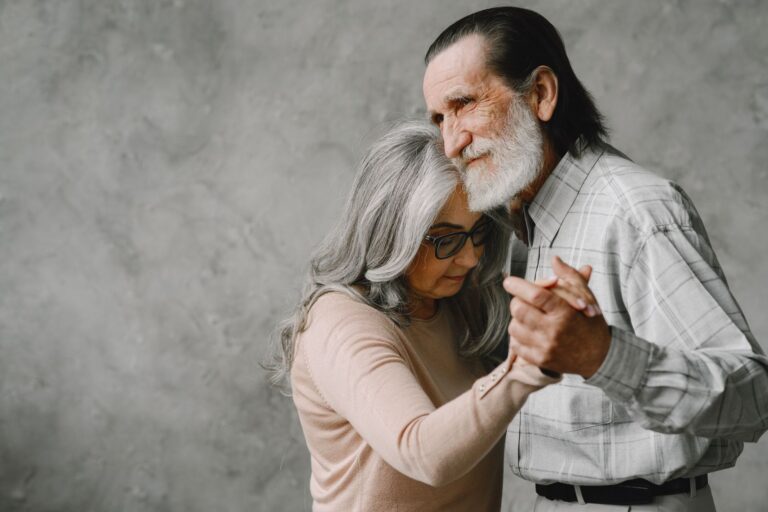
Common barriers are joint pain, fear of falling, heart and lung limits, diabetes needs, and memory problems that complicate steps. Unsafe streets, bad weather, and lack of adapted classes also block regular attendance. Dementia prevention here means lowering risk through movement, social contact, and mental challenge. The same health problems that raise dementia risk often make dance itself harder, so plans must fit the person's abilities.
Medical information disclaimer: This article is for general educational purposes only and does not provide medical advice, diagnosis, or treatment. Always consult a physician or other qualified health professional about symptoms, medications, tests, or treatment decisions.
Table of Contents
- Why do arthritis and fear of falling block dance?
- How do heart, lung, and diabetes limits affect dancing?
- Why does memory loss make standard classes harder?
- What practical steps make dance safer to start?
Why do arthritis and fear of falling block dance?
Arthritis makes dance painful through joint pain, stiffness, and loss of strength, mobility, and balance. The National Council on Aging reports that older adults with arthritis face higher fall risk from those changes plus fear of falling, which directly complicates dance for dementia prevention (why older adults face higher fall risk with osteoarthritis). Fear of falling is common even without a balance diagnosis.
The National Council on Aging notes that arthritis, type 2 diabetes, and dementia make activity painful or hard through physical or cognitive limits, and many older adults fear falling even without balance problems (strategies for boosting activity among older adults). That fear shortens steps, stiffens posture, and causes people to skip turns, spins, and fast footwork. A crowded floor, dim light, or slippery shoes can then feel unsafe enough to quit.
How do heart, lung, and diabetes limits affect dancing?
Heart and lung disease reduce stamina and make breathlessness, chest discomfort, or dizziness more likely during continuous movement. Warm rooms, fast tempos, and long standing sequences raise the strain. Diabetes adds blood-sugar planning, foot care, and fatigue management around activity.
Long sessions without breaks, food, or water can cause lows, blisters, or exhaustion. Federal guidance treats these limits as reasons to adjust, not to avoid all movement. The HHS Office of Disease Prevention and Health Promotion says older adults with chronic conditions should learn how their condition affects safe activity, and be as active as abilities allow when 150 weekly minutes is impossible (the Physical Activity Guidelines executive summary).
Why does memory loss make standard classes harder?
Memory loss makes it hard to remember sequences, follow cues, switch directions, and stay oriented in a group. Standard classes move too fast, give verbal-only instructions, and assume quick learning. That is why protocols need adaptation for cognitive impairment.
In the DiADEM trial, researchers randomized 55 older adults with mild cognitive impairment to sportive dance versus inactive control to test fitness and heart-rate variability, showing adapted design matters for this group. Adaptation can work even with greater impairment and poor balance. An adapted Portuguese folk-dance program proved feasible and acceptable for older adults with moderate-to-severe dementia and balance impairment, but only after changes for frailty and instability.
What practical steps make dance safer to start?
Ask a clinician first when heart disease, lung disease, or diabetes is present. Health.gov advises adults with those conditions to ask a doctor what types and amounts of activity are safe, making clearance a practical gateway before dance participation (Move Your Way campaign talking points).
Then match the class to your body and neighborhood, not the other way around. Researchers proposed indoor culturally familiar Latin-dance programs such as BAILAMOS after urban older Latinos cited unsafe neighborhoods and extreme weather as major walking barriers. Start with one short weekly session, rest between dances, and expand only when soreness, breathlessness, and balance recover quickly.
- Pick seated options, short dances, smooth floors, chairs for support, and clear visual cues.
- Bring sturdy shoes, water, glucose tablets or snacks if needed, and a partner or aide.
- Choose indoor, well-lit, accessible sites when streets, traffic, or weather feel unsafe.