Simple knitting for memory care groups means short, repetitive handwork with large needles and thick yarn. Engagement looks like handling yarn, watching others stitch, smiling, or chatting, while distress looks like frowning, pushing materials away, pacing, crying, or withdrawing.
Memory care groups here mean small, supervised activity groups for people living with dementia. Leaders watch faces, hands, and posture throughout the session. Small changes guide whether to continue, simplify, or stop.
Medical information disclaimer: This article is for general educational purposes only and does not provide medical advice, diagnosis, or treatment. Always consult a physician or other qualified health professional about symptoms, medications, tests, or treatment decisions.
Table of Contents
- What does engagement look like?
- What does distress look like?
- How should leaders set up the activity?
- When should you simplify or stop?
What does engagement look like?
Active hands show the clearest sign. Participants hold yarn, loop stitches, finger fabric, pass balls of yarn, or watch another person knit closely. Dementia researchers using the Menorah Park Engagement Scale count active participation and attentive watching as engagement, while smiling or laughing marks pleasure, according to the 2024 naturalistic observation study published in The Gerontologist study summary.
Sleeping, staring into space, or sitting unaware of the activity signals non-engagement. Calm talk also counts. An international survey of 3,545 knitters linked more frequent knitting to feeling calm and happy, and found group knitting increased perceived happiness, social contact, and communication, according to Riley, Corkhill and Morris survey report. In a group, brief comments, eye contact, humming, or relaxed posture matter as much as finished rows.
What does distress look like?
Distress often starts small. Watch for frowning, sighing, rubbing hands, pushing yarn away, saying no, restlessness, or turning from the table. These behaviors can reflect unease rather than dislike of knitting. Dementia researchers treat refusal, uneasiness, pacing, crying, and withdrawal as distress signals that need a response.
Boredom can look similar, with flat gaze, yawning, or repeated putting down of tools. Common triggers sit outside the craft. The National Institute on Aging lists pain, poor sleep, new medications, frustration, too much noise, clutter, and too many people as triggers for confusion, restlessness, and aggression in dementia caregiving guide. A loud room, glare, tight seating, or a long wait for help can spark the reaction.
- frowning, pushing materials away, or saying no
- pacing, crying, rocking, or sudden agitation
- withdrawal, staring away, or going silent
- repeated dropping, tangling, or pulling at yarn
How should leaders set up the activity?
Keep the task familiar and easy to join. The Alzheimer's Association advises adapting familiar activities to current abilities and emphasizing enjoyment over achievement, since suitable engagement can reduce wandering and agitation activities guidance. Choose one plain stitch, short rows, and no pattern to memorize. Prepare the space before people arrive.
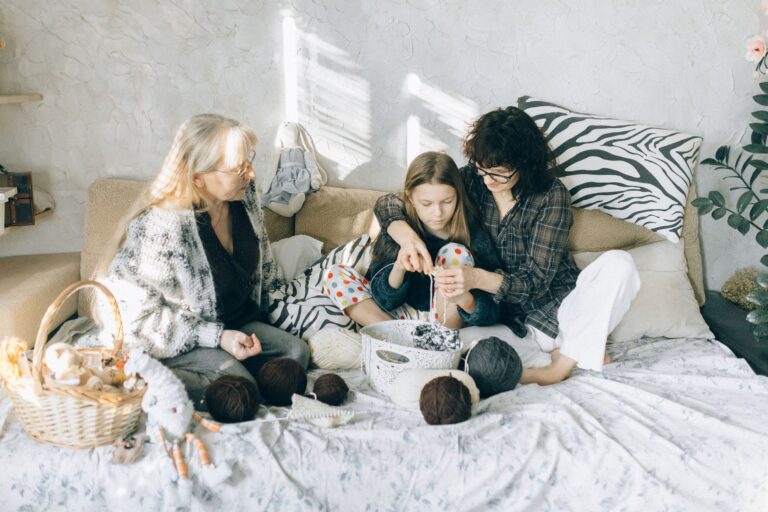
Use large needles, thick light-colored yarn, firm chairs with arm support, and good daylight without glare. Keep tables clear, limit background noise, and seat four to six people where each person sees the leader's hands. Show one step at a time. Place yarn in the person's hands, guide the first loops hand-over-hand only with permission, then let the person continue alone. Praise effort, pass work around for others to touch, and allow watching as full participation.
When should you simplify or stop?
Stay with the person, not the product. If stitches tangle, exchange the piece for a simpler swatch, offer finger knitting, or invite the person to wind a ball, stroke finished squares, or simply watch. Act early on distress.
Move closer, lower your voice, reduce noise, offer water, loosen tight sleeves, and check for pain, hunger, toilet need, or fatigue. Switch seats, dim lights, or walk briefly with a restless person. Stop the craft when refusal continues, uneasiness rises, or the person paces, cries, or withdraws. Put materials aside gently, thank the person for joining, and offer a warm drink and a quiet seat instead.