You can build dancing into a dementia-risk-reduction routine even with chronic conditions by counting dance as aerobic exercise and balance practice. Adjust the pace, support, and session length so you can repeat it most weeks without pain or exhaustion. A realistic routine is multidomain, meaning weekly movement plus steady sleep, healthy eating, thinking activities, and control of blood pressure and other risks. Dance fits because it joins steps, music, memory, and social contact in one activity.
Medical information disclaimer: This article is for general educational purposes only and does not provide medical advice, diagnosis, or treatment. Always consult a physician or other qualified health professional about symptoms, medications, tests, or treatment decisions.
Table of Contents
- What does dancing add for the brain?
- What does a realistic week look like?
- How do you adapt dancing for arthritis, heart, lung, or balance limits?
- How do you keep it safe and steady?
What does dancing add for the brain?
Dance pairs physical effort with timing, sequence memory, attention, and response to a partner or group. That combination makes it more mentally demanding than walking the same number of minutes. It also gives many people a reason to keep showing up. In the Einstein Aging Study cohort, frequent dancers had roughly 76% lower dementia risk than rare dancers, the only physical activity with a significant link in that cohort, according to the TORRTA evidence review.
That finding comes from observation, so it shows a link rather than proof that dance alone prevents dementia. Stronger support comes from trials. Pooled randomized trials in adults with mild cognitive impairment found dance improved global cognition, executive function and memory, including short-term memory and retrieval fluency, according to the Macquarie University summary. Mild cognitive impairment means early thinking changes that do not yet remove independence.
What does a realistic week look like?
Treat dance as one part of a weekly plan, not the whole plan. A practical target is several short dance sessions plus one or two easier days for strength, balance, meals, thinking practice, and rest. Short and repeated beats rare long sessions. A tested multidomain model used 30-35 minutes of moderate-to-intense aerobic exercise four times weekly plus strength and flexibility twice weekly, alongside MIND diet, brain training and health monitoring, according to the Alzheimer's Association study results.
You do not need to copy that pace on day one. Start with 10-15 minute dance blocks, add minutes over weeks, and keep strength work light and controlled. Build the week around fixed slots. For example, dance Tuesday and Saturday, walk or cycle Thursday, add leg, arm, and heel-raise strength work twice, and use another day for a class, puzzle, music practice, or call with friends. Track sessions, effort, sleep, dizziness, joint pain, and falls so changes are easy to spot.
How do you adapt dancing for arthritis, heart, lung, or balance limits?
Adults with stable chronic conditions who are able can still aim for 150 minutes of moderate aerobic activity plus two strengthening days, or stay as active as abilities allow with clinician input, according to the CDC activity guidance. Use that rule to set your ceiling. Ask your clinician about warning signs for your condition, medication timing, fluids, and safe heart-rate or breathlessness limits.
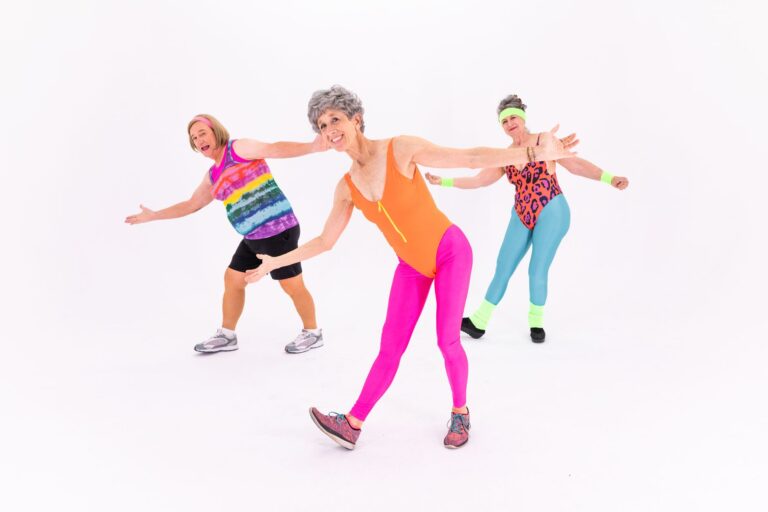
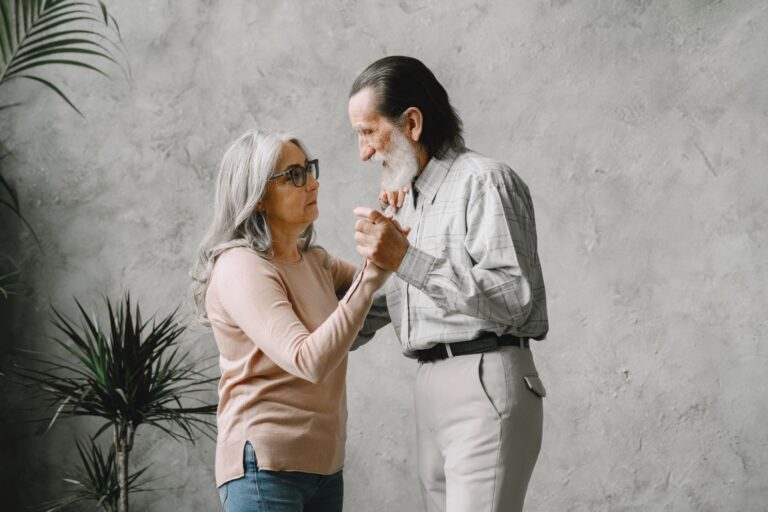
Choose a style that fits your joints and balance. Seated dance, line dance, slow ballroom, folk steps, or water-based movement can lower impact while keeping rhythm and sequence learning. Use a chair back, counter, or wall for turns, keep steps small, wear firm shoes, clear cords and rugs, and keep a phone nearby.
- Pick music with a steady beat you can follow without rushing.
- Warm up two to three minutes with marches, shoulder rolls, and ankle circles.
- Alternate one lively song with one slow song.
- Stop for chest pain, pressure, unusual breathlessness, dizziness, faintness, new joint swelling, or a fall scare.
- Cool down with slow steps, deep breaths, and calf and thigh stretches.
How do you keep it safe and steady?
Progress comes from habit, not intensity. Keep the same days, same place, and same backup option for low-energy days. If a full session feels too much, do half, then add gentle stretching or a thinking activity instead of skipping fully. Make learning part of the exercise. Learn one short sequence at a time, repeat it from memory, then change direction, partner, speed, or rhythm.
Practice naming the steps aloud, clapping the beat, or teaching a family member the pattern. Social dance, group class, or regular video sessions can add support and cueing. Review the plan after two to four weeks. Keep what leaves you warm, slightly breathless, and recovered by the next day. Change the style, floor, shoes, time of day, or session length if pain, fatigue, breathlessness, swelling, dizziness, or fear of falling rises. Bring your log to your next clinic visit before adding faster turns or longer sessions.