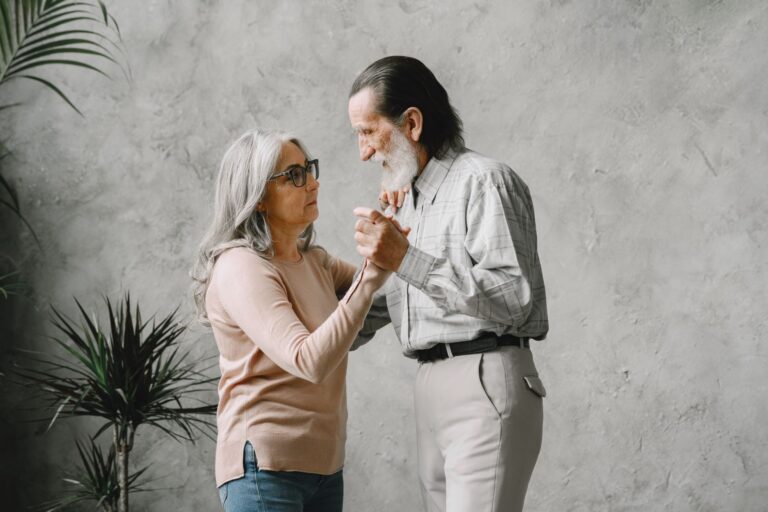
You can build dancing into a realistic dementia prevention routine with mild cognitive impairment through weekly aerobic dance plus balance and strength work. Mild cognitive impairment means memory or thinking change beyond aging but not dementia, and dance training improved cognition and frailty in this group.
Dance combines movement, music, memory for steps, and social contact in one session. That mix fits daily life better than separate brain and body workouts. A steady plan matters more than perfect style or skill.
Medical information disclaimer: This article is for general educational purposes only and does not provide medical advice, diagnosis, or treatment. Always consult a physician or other qualified health professional about symptoms, medications, tests, or treatment decisions.
Table of Contents
- Why dance fits an MCI brain
- How much movement counts
- What a realistic week looks like
- How to stay safe and keep going
Why dance fits an MCI brain
Researchers tested dance-based aerobic training for 12 weeks in 92 older adults with mild cognitive impairment. Scores for frailty, global cognition and cognitive impairment improved significantly with medium-to-large effects, according to the PubMed-indexed trial summary. Stronger stamina and clearer thinking often rise together.
An earlier Einstein Aging Study followed 469 adults over 75 for about 5 years. Frequent dancing was the only physical activity linked with lower dementia risk, alongside reading, board games and music, as listed in the New England Journal of Medicine record via PubMed. No single study proves prevention, but dance has a long signal worth acting on.
How much movement counts
Federal guidance recommends at least 150 minutes weekly of moderate-intensity aerobic activity for adults 65 and older, noting lower risk of dementia including Alzheimer's and less depression, according to the CDC guidance for older adults. Moderate means you breathe faster and can still talk in short sentences. You can split the total into 20 to 30 minute blocks.
Dance can supply much of that aerobic time. Walking, cycling, or water exercise can fill the rest on low-energy days. Consistency across weeks matters more than one hard class.
What a realistic week looks like
Build around fixed dance days, then add short support work. Keep music familiar, steps simple, and effort steady.
A sample week for many beginners is: Learn one short sequence at a time, then repeat it. Partner, circle, line, or seated dance all count when they raise heart rate. Track days on a fridge calendar and protect them like appointments.
- Warm up 5 minutes with marching in place, shoulder rolls, and ankle circles
- Dance 30 minutes on two or three set days at moderate effort
- Walk briskly 20 to 30 minutes on one or two other days
- Add 10 minutes of leg and arm strength with bands or body weight
- Add 5 minutes of balance practice near a counter, such as heel-to-toe stands
How to stay safe and keep going
NIA experts advise older adults to combine endurance such as brisk walking or dancing with strength, balance, and flexibility work, noting balance training prevents falls and activity remains safe with limitations, according to the NIH News in Health report. Use clear floors, firm shoes, water, and a chair or counter nearby. Good lighting and a partner reduce trip risk.
Start easy after illness, joint pain, dizziness, chest discomfort, or a fall. Shorten the session, choose seated moves, or switch to walking that day. Ask your clinician or physical therapist to adjust steps for arthritis, neuropathy, vision loss, or heart disease. Pick your two dance days for next week and invite one person to join you.