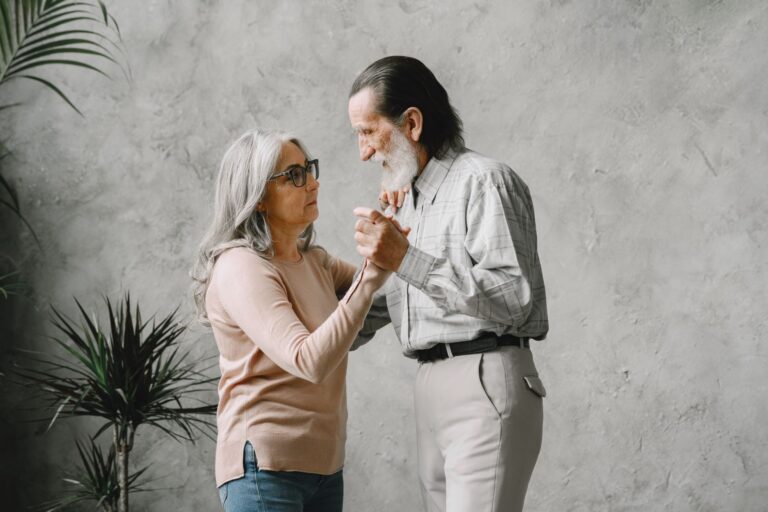
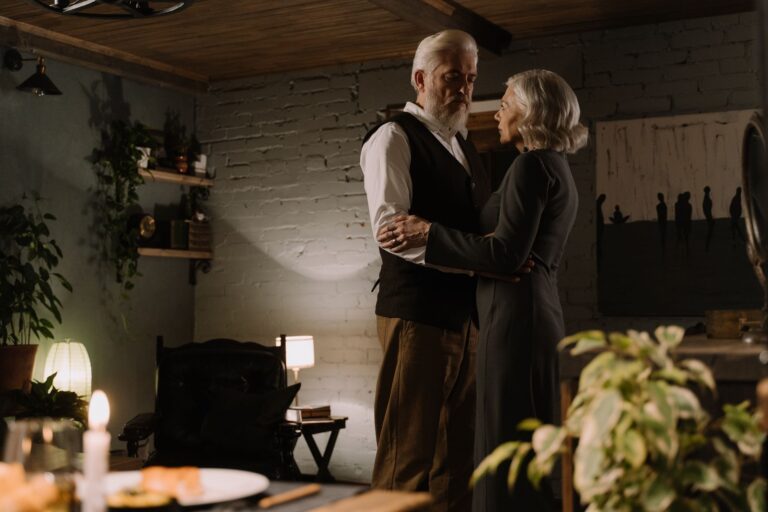
If you have mild cognitive impairment, early thinking changes that leave daily tasks intact, ask your doctor, then start with short supported dance sessions. Choose simple aerobic styles three times weekly and practice near a chair, wall or partner.
One tested approach used 50-minute sessions three times weekly for 12 weeks. In that Diagnostics randomized trial in 92 adults with mild cognitive impairment, dance improved frailty, MMSE, MoCA, executive function and verbal fluency versus usual care Diagnostics trial report. Use that result as encouragement to start small and stay consistent, not as a prescription.
Medical information disclaimer: This article is for general educational purposes only and does not provide medical advice, diagnosis, or treatment. Always consult a physician or other qualified health professional about symptoms, medications, tests, or treatment decisions.
Table of Contents
- What can dance do for thinking?
- How much movement should you aim for?
- How do you make dancing safer?
- Which style keeps you moving?
What can dance do for thinking?
Dance pairs aerobic movement with music, steps to remember, and social cues. That combination can support recall, planning, and word-finding in daily life. The trial benefit covered overall memory scores plus executive function for planning tasks and verbal fluency for finding words.
Dance is promising but not proven better than other exercise. A 2026 Bayesian network meta-analysis in Frontiers in Physiology ranked dance highest for global cognition on MoCA but found no statistically significant advantage over other exercise types Frontiers in Physiology analysis. Pick the activity you will keep doing, and treat dance as one good option.
How much movement should you aim for?
For lasting benefit, work toward the standard older-adult target. Adults 65 and older should get at least 150 minutes weekly of moderate-intensity aerobic activity, muscle-strengthening on at least 2 days, plus balance work such as standing on one foot, according to CDC physical-activity guidelines CDC activity guidelines.
Start below that level if you are inactive. Try 10 to 15 minutes of slow marching, side steps, and gentle turns, then rest and repeat if energy allows. Add a few minutes each week and include two short strength days with body weight or bands.
How do you make dancing safer?
Safety setup matters more than style. The National Institute on Aging advises older beginners to ask a doctor about uncertain activities, start slowly, use nearby support, and move mindfully to prevent falls NIA exercise guidance. Clear space and keep support within reach every time.
Wear firm, closed shoes and keep water nearby. Stop if you feel pain, pressure, dizziness, or unusual shortness of breath, and seek care when needed. Write down what felt hard and bring notes to your next visit.
- Ask your doctor about chest pain, dizziness, joint issues, or new medicines before starting.
- Dance beside a sturdy chair, counter, or partner, on a flat, clear floor.
- Start with warm songs, learn one step at a time, then cool down slowly.
Which style keeps you moving?
Choose music you like with a steady beat and steps you can learn. Beginner line dance, social ballroom basics, folk steps, or seated dance all count when they raise breathing. A class for older adults or beginners gives cues, repetition, and partners.
Keep the mental challenge light at first, then add one new pattern at a time. If steps blur, slow the tempo, hold the chair, or repeat a known song. Bring a family member or friend when memory slips make directions hard to follow.