Adapt simple knitting for late-stage dementia by dropping finished projects and offering touch instead. Place soft yarn in the person's hands, move gently through familiar motions, and let feeling, sorting, and unwinding be the activity. Late-stage dementia means advanced loss of speech, awareness, and movement control. At this point warmth, rhythm, and sensory contact matter more than stitches or skill.
Medical information disclaimer: This article is for general educational purposes only and does not provide medical advice, diagnosis, or treatment. Always consult a physician or other qualified health professional about symptoms, medications, tests, or treatment decisions.
Table of Contents
- Why finished projects stop working
- What does simpler wool work look like
- How do you keep hands-on time safe
- What calms restless hands without needles
Why finished projects stop working
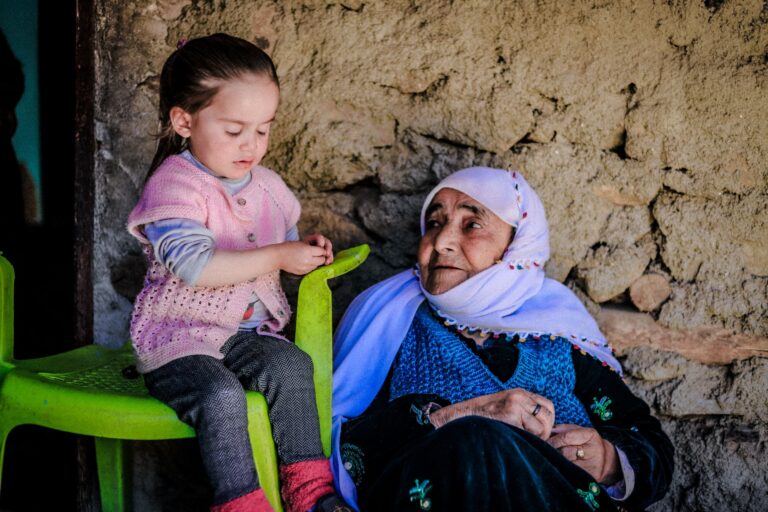
Late-stage Alzheimer's often removes conversation, response to surroundings, and control of movement. The person then meets the world mainly through touch, sound, sight, taste, and smell. The Alzheimer's Association describes this sensory shift on its Late-Stage Caregiving page.
That shift changes what knitting is for. Studies of textile arts describe gains as interaction, sensory stimulation, reminiscence, and in-the-moment pleasure, not reversal of dementia. Dementia Researcher, reporting NIHR work, frames success as comfort and engagement rather than finished work.
What does simpler wool work look like
The Alzheimer's Society UK advises stepping wool crafts down as dementia progresses, from complex patterns to simple patterns to block colours or plain knit. It describes late-stage enjoyment from feeling wool textures, sorting or rummaging a kit, and unravelling and rewinding wool, as shared on its wool crafts activity ideas page. Keeping Busy advises a direct hand-over-hand option when independent knitting is gone.
A caregiver can place soft yarn and needles in the person's hands or gently guide familiar knitting motions for calming sensory input. In practice, offer one skein at a time and follow the person's lead. If pulling, stroking, winding, or holding brings calm attention, that response is the finished product.
How do you keep hands-on time safe
DailyCaring recommends large-gauge needles or hooks with thick, bright, easy-grip yarn, or needle-free finger knitting. It also stresses close supervision and avoiding small detachable parts, sharp tools, and toxic materials because mouthing and choking are risks.
Stop if breathing quickens, hands push away, or the person mouths yarn persistently. Try again later with touch alone, such as holding the skein together without needles.
- Choose thick, soft, washable yarn in a bright colour that is easy to see and hold
- Use large, blunt needles or fingers only, with nothing small, sharp, loose, or scented nearby
- Stay close, keep the amount small, and remove frayed strands or detached trim at once
- Offer short sessions in a quiet chair, with hands supported and warm
What calms restless hands without needles
A twiddle muff is a double-thick knitted hand muff with textured buttons, ribbons, zips, or beads inside and out. The Isle of Wight NHS Trust says it gives restless hands visual, tactile, and sensory occupation while keeping hands warm and reducing anxiety, as explained on its dementia blankets page. The Alzheimer's Association communication guidance adds other touch options without tools.
These include feeling different fabrics, identifying shapes or everyday items by touch, holding hands, and receiving lotion hand massage. Keep one muff or fabric set within reach where the person rests. Warm the hands first, then offer the texture, and let rubbing, stroking, or holding continue as long as it soothes.