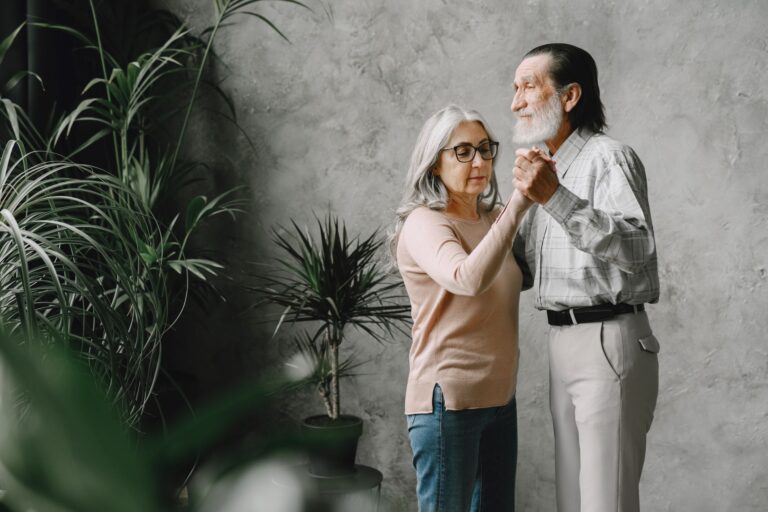
The common barriers to dancing for dementia prevention after age 65 are fall concerns, low confidence, and limits on time, money, and travel. Dementia prevention here means regular activity that supports memory and thinking in later life.
Dance appeals because it pairs movement with music, balance, and social contact. Those same demands can feel risky or out of reach after 65. Knowing the specific blocks makes it easier to pick a safe starting point.
Medical information disclaimer: This article is for general educational purposes only and does not provide medical advice, diagnosis, or treatment. Always consult a physician or other qualified health professional about symptoms, medications, tests, or treatment decisions.
Table of Contents
- What does the dance and dementia link mean?
- Why does fear of falling hold people back?
- What makes joining a class hard in real life?
- Can dancing at home help when getting out is hard?
What does the dance and dementia link mean?
UCLA Health reports in its Ask the Doctors column that regular dancers over 75 had 76% lower dementia risk over five years. It was the strongest protection among leisure activities in a 469-person Einstein Aging Study.
UCLA Health also stresses the result is observational, so it shows a link rather than proof. The 76% figure applies only to that five-year span. That limit matters when weighing dance against other brain-health habits.
Why does fear of falling hold people back?
National Institute on Aging states in its falls and fractures guidance that more than one in four adults 65 or older fall each year. The agency lists muscle loss, balance and gait problems, and blood-pressure drops on standing as key risks.
A 2020 Springer Medizin feasibility study describes fear of falling as its own risk when it causes activity avoidance. Less activity weakens conditioning, which makes another fall more likely. A supported class, handrail, or seated start can break that loop.
What makes joining a class hard in real life?
A review of 24 falls-prevention studies, summarized by UNC, found illness, embarrassment, low confidence, denial of risk, and fear kept older adults from joining. McMaster experts note in their barriers after rehabilitation summary that cost at 43%, travel time at 43%, and symptoms at 39% topped the list.
Concordia University notes only about 4% of older Canadian women complete 30 minutes of daily activity, with transport, caregiving, and access as blocks. Three quick checks prevent most dropouts. Use them on the phone before you commit:.
- ask about fee, travel time, and chair support
- ask what symptoms need a clinician check first
- line up caregiver coverage for class time
Can dancing at home help when getting out is hard?
The National Institute on Aging notes higher isolation risk from hearing, vision, and memory loss, disability, limited mobility, and bereavement. The agency links isolation and loneliness to cognitive decline and dementia.
Concordia University reports in home dance studio coverage that online dance improved postural stability, dynamic balance, and calf strength in a published trial. Steady standing and moving balance lower fall risk, while home access removes travel and access blocks. Start with a live online class that offers chair support and a phone check-in.