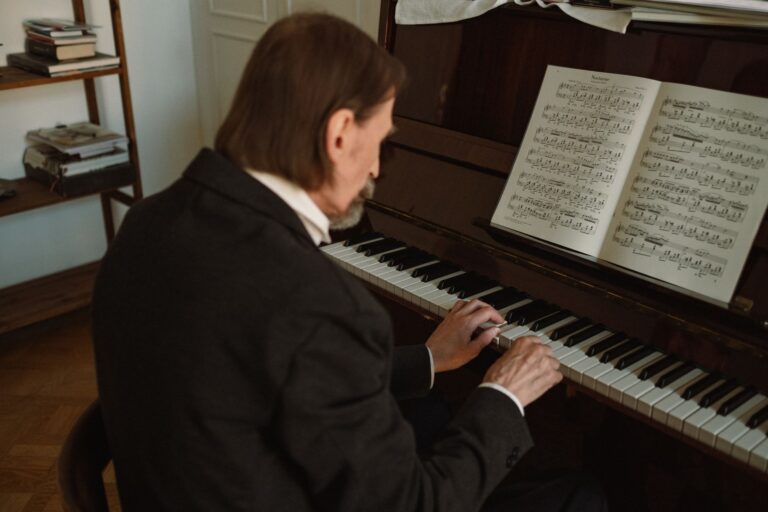
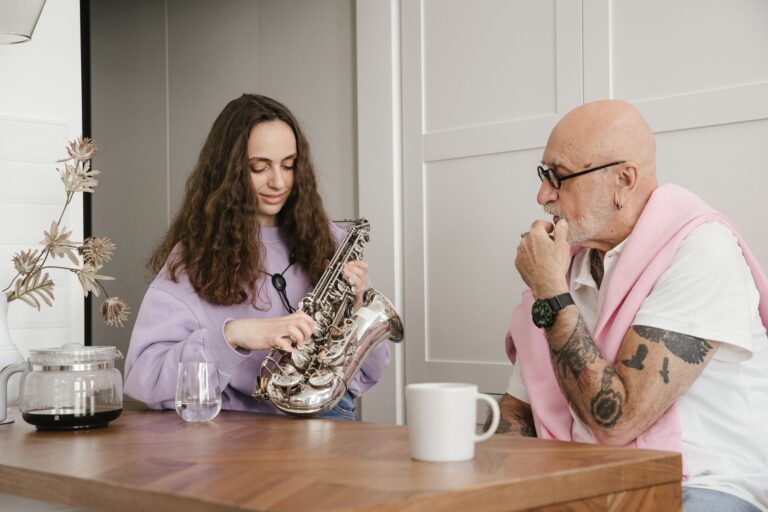
The most common barriers to music practice with mild cognitive impairment are apathy, discouraging self-comparison, and practical problems with travel, cost, health, and schedules. Mild cognitive impairment (MCI) means memory or thinking changes beyond normal aging without loss of daily independence, and hearing loss plus thin day-to-day support make steady practice harder. Families often consider piano, choir, or listening routines to support thinking. Music is actively studied for Alzheimer's and related dementias, but NIH reviewers state firm conclusions about brain effects are not yet possible, according to a University of Maine report.
Medical information disclaimer: This article is for general educational purposes only and does not provide medical advice, diagnosis, or treatment. Always consult a physician or other qualified health professional about symptoms, medications, tests, or treatment decisions.
Table of Contents
- Why is starting the hardest part?
- Why can group lessons help or hurt?
- What practical problems block attendance?
- How do hearing and health change the reward?
- What makes practice easier to keep?
Why is starting the hardest part?
Apathy and low motivation directly block initiation of music practice in MCI. Healio reporting on the Alzheimer's Association International Conference 2016 found mood symptoms in 77.8% and apathy in 51.7% of people with subjective decline or MCI in Healio's conference report.
That pattern means the person may want the benefit yet not start, choose a piece, or keep a routine. A fixed lesson time, a visible instrument, and one small first task reduce the starting load.
Why can group lessons help or hurt?
In a 12-week group piano program for seven older adults with MCI, skill mastery and positive social contact sustained engagement. Negative self-comparison in the group reduced it, according to the Clinical Gerontologist study cited by Berklee.
Feeling slower than others can quickly lower effort and attendance. The authors therefore recommend positive reinforcement, personalized support, preparation for challenge, and rapport-building, according to the Researcher.life summary of the study.
What practical problems block attendance?
Among 862 adults age 60 and older in Chengdu, opportunity barriers caused 63.3% of unmet arts preferences, according to the Frontiers in Public Health study in the Frontiers in Public Health article. Listed causes included transport, mobility, pain, cost, class capacity, caregiving, and local-service design.
A multisite U.S. community-choir study found the same split: major health and access problems for singers, plus transport and funding problems for sustainment. Traditional lessons add an instructor, travel, coordinated schedules, and high fees, which are especially difficult for rural, low-access, and MCI learners, according to the Human Factors and Ergonomics Society feasibility study.
How do hearing and health change the reward?
Age-related hearing loss is a highly prevalent undertreated bilateral loss starting at high frequencies. It reduces music reward and is the largest single modifiable dementia risk factor, according to the BMC Geriatrics review in the BMC Geriatrics review.
When high notes blur, lyrics fade, or pain and fatigue intrude, practice feels like work. A recent hearing check, lower background noise, clear print music, and shorter sessions protect enjoyment.
What makes practice easier to keep?
Real-world personalized-music delivery is limited by staff turnover, workload, and the need to personalize music per resident. Those pressures cause delays and inconsistent fidelity, according to the METRIcAL analysis in Alzheimer's and Dementia: Translational Research and Clinical Interventions. Families and programs can lower that burden with a stable, simple plan: Start each session with a short warm-up piece the learner can already play or sing well.
- pick one accessible goal, such as two short sessions per week
- arrange transport, seating, lighting, and hearing support before enrollment
- ask for early wins, clear feedback, and gradual challenge
- use familiar songs the person already enjoys
- name one helper who keeps the playlist, schedule, and encouragement steady