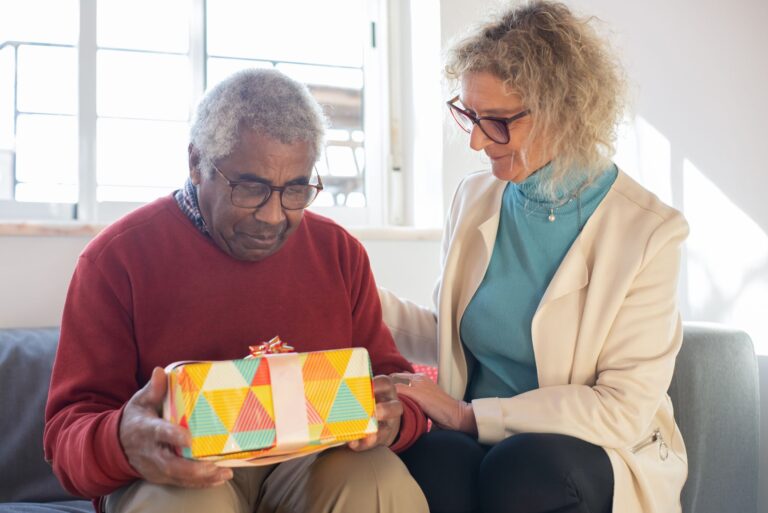
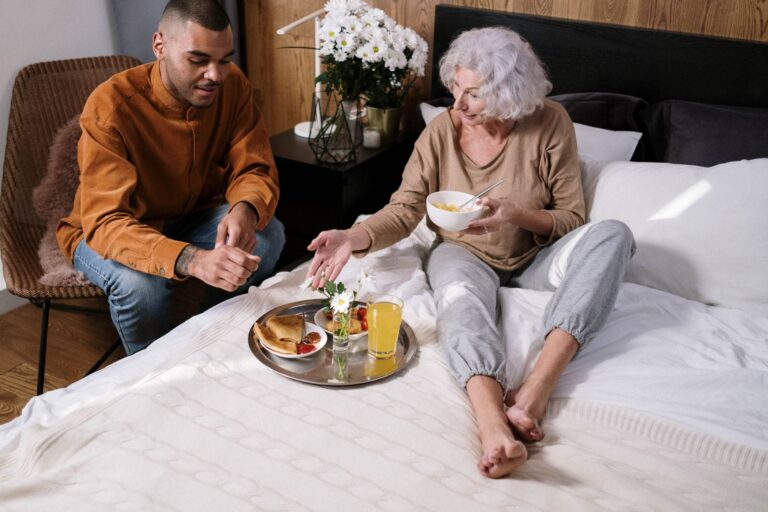
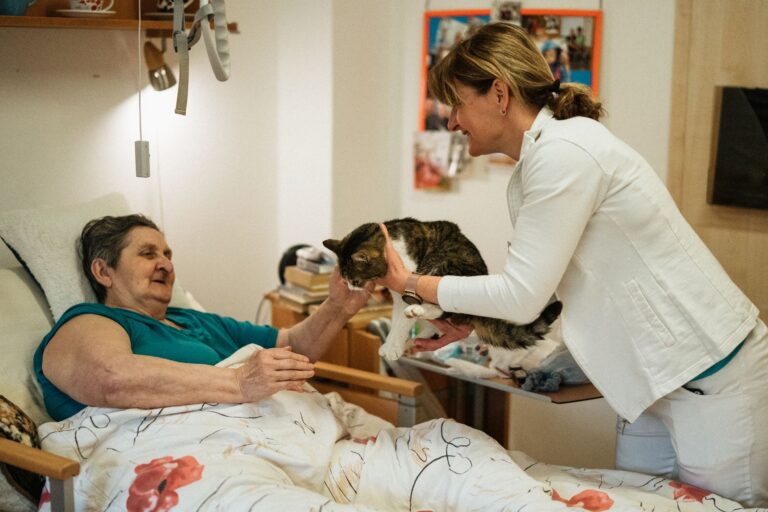
Winter raises fall risk for people living with dementia, a condition that affects memory, thinking, balance, and daily function. Caregivers should watch outdoor ice, indoor clutter and poor lighting, walking changes, medication-related dizziness, wandering, and low daylight. Small winter shifts matter because perception, vision, and balance can change how safe a path or room looks. A planned check of routes, rooms, medications, and daily light helps prevent a fall before it happens.
Medical information disclaimer: This article is for general educational purposes only and does not provide medical advice, diagnosis, or treatment. Always consult a physician or other qualified health professional about symptoms, medications, tests, or treatment decisions.
Table of Contents
- Why is winter riskier with dementia?
- How can you lower outdoor fall risk?
- How can you make the home safer?
- Which hidden winter triggers need a plan?
Why is winter riskier with dementia?
Weak muscles, poor balance, dementia itself, medication side effects, home trip hazards, and cold weather all increase the chance of falling, according to fall-prevention guidance from North Cheshire and Mersey NHS Foundation Trust fall-prevention guidance. Vision, perception, and balance problems can also cause slips.
The Alzheimer's Association advises assuming all surfaces are slick and assisting with walking using slower, shorter steps. Perception problems can make ice look safe or snow look solid. Reduced winter sunlight can also increase anxiety, confusion, and sleepiness, which makes careful movement harder.
How can you lower outdoor fall risk?
Ice, snow, and fallen leaves raise outdoor risk. Bright and reflective clothing helps others see the person, while non-skid boots, smaller slow steps, and a steadying hand help balance on slick ground. The Alzheimer Society of Canada recommends non-skid Velcro boots, reflective clothing, slow small steps, and hands-on support in its winter safety advice for caregivers.
- Spread sand or salt on paths before outings
- Choose grippy shoes and warm gloves with good hold
- Favor daytime walks for better visibility
- Take slower, shorter steps and offer an arm for balance
How can you make the home safer?
Poor lighting and clutter raise indoor risk. Clear floors and stairs, remove loose mats and rugs, and keep daily items within easy reach to reduce bending and stretching. North Cheshire and Mersey NHS Foundation Trust advises clearing floors and stairs, removing loose mats, storing daily items within reach, and adding hallway, stair, and bedside night lighting in its fall-prevention guidance.
- Keep halls, stairs, and bedroom paths free of cords and clutter
- Remove or tape down loose rugs and mats
- Place glasses, shoes, drinks, and remotes within reach
- Add night lighting in hallways, stairs, and beside the bed
Which hidden winter triggers need a plan?
Some medications, and taking several drugs together, can cause dizziness or unsteadiness. Older adults should have a medication review at least yearly with a GP practice or pharmacist. Wandering is especially dangerous in winter because disorientation can occur even near home.
The Alzheimer Society of Saskatchewan warns that about 50% of lost people with dementia are found injured or dead from hypothermia, dehydration, or drowning if not found within 12 hours in its seasonal safeguards report. Encourage daily activity, open curtains in daylight, provide a place to sit near windows, and consider sunlight-simulating bulbs. Lock outer doors discreetly, keep a recent photo and warm spare clothes ready, and check quickly if a usual routine changes.