Holiday light viewing can work for dementia caregivers as a short, familiar car ride timed for the person's best part of day. Dementia means ongoing loss of memory and thinking that makes new places, crowds, and late nights harder to handle. The goal is comfort and connection, not a long tour. The National Institute on Aging advises caregivers to balance holiday activities with daily care and include the person with Alzheimer's as much as possible in holiday hints for Alzheimer's caregivers.
Medical information disclaimer: This article is for general educational purposes only and does not provide medical advice, diagnosis, or treatment. Always consult a physician or other qualified health professional about symptoms, medications, tests, or treatment decisions.
Table of Contents
- Should you go after dark?
- How do you pick a calmer route?
- How do you keep the car calm?
- When should you shorten the trip or head home?
Should you go after dark?
Dementia Care Central reports that many people with dementia become more confused or agitated in late afternoon and evening, a pattern called sundowning, in holiday guidance. Sundowning means rising restlessness, confusion, or distress as daylight fades. A late-evening light trip can land right in that hard window.
A daytime or early-evening look is often kinder than a late-night drive. Try decorated houses at dusk, a bright porch display, or a short drive right after an early dinner. Watch energy, mood, and restlessness, and let those signs decide.
How do you pick a calmer route?
Stay close to home on streets you both know well. The Alzheimer Society of Canada advises short drives on familiar roads at quiet times in driving and transportation guidance. Familiar roads cut surprise turns, traffic stress, and long time away from home.
Pick one small loop with an easy early exit. Avoid busy commercial strips, long lines of idling cars, and neighborhoods that require walking on dark curbs. Tell another adult the route and expected return time.
- Choose a 15- to 20-minute loop near home.
- Go on a weeknight or at a quiet hour.
- Keep the same driver, same car, same seats.
- Plan where you can turn around or head home.
How do you keep the car calm?
Keep the group small and voices low. The National Institute on Aging advises creating a quiet recharge space with calming music or familiar activities and limiting simultaneous visitors in guidance on adapting activities. Treat the car as that quiet space. Bring one familiar comfort, not a pile of supplies.
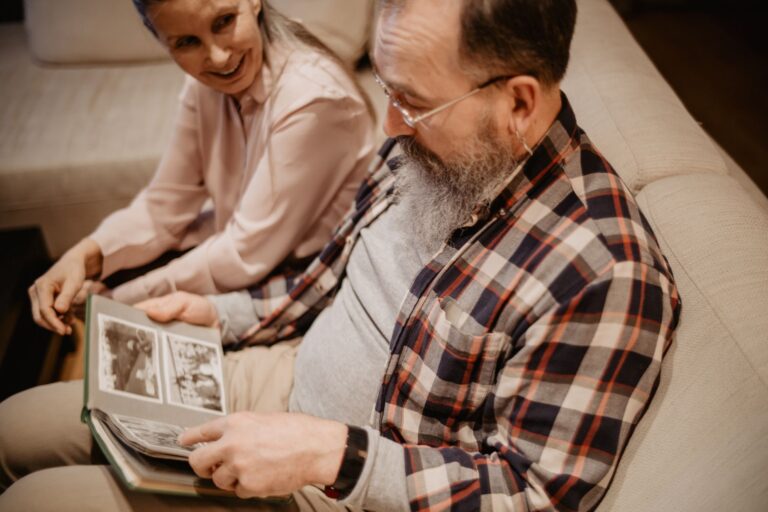
Play soft, known music. Carry a family photo album, a warm blanket, and a simple snack. Skip hopping in and out for photos in cold or crowded spots. Give the person a clear, limited choice. Ask, "Should we see the red lights or the tree street first?" Avoid open questions like, "Where do you want to go tonight?" Short choices lower pressure and keep attention on enjoyment.
When should you shorten the trip or head home?
Leave while the outing still feels good. Signs to wrap up include pacing talk, repeated questions, pulling at the seatbelt, covering eyes, or sudden silence. Do not push for "just one more street" once distress starts. Have quiet distractions ready for overstimulation.
The same National Institute on Aging guidance points to photos, a short walk, or another calm activity as a reset. In the car, try music down low, a familiar photo to hold, or a slow drive toward home. End with warmth at home. Offer cocoa, a blanket, and one or two favorite songs. Drive past one decorated block near home, then head back while everyone is still comfortable.