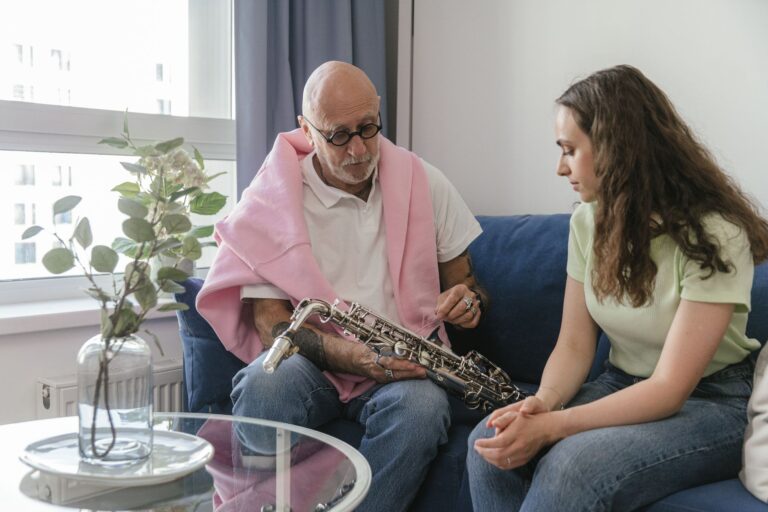
An activity is safe for a memory care resident with arthritis when it is low-impact on joints, matched to current ability and stamina, and given with active supervision. Memory care means residential dementia support with structured routines and staff help, and safety there comes from protecting joints while keeping the task familiar and failure-free. That combination eases pain, supports movement, and lowers distress during the activity. Short sessions, joint-friendly choices, and clear support let many residents stay active without pounding or twisting sore joints.
Medical information disclaimer: This article is for general educational purposes only and does not provide medical advice, diagnosis, or treatment. Always consult a physician or other qualified health professional about symptoms, medications, tests, or treatment decisions.
Table of Contents
- What types of movement protect arthritic joints?
- How much activity should caregivers aim for?
- How do you fit activities to dementia needs?
- When should activity pause or change?
What types of movement protect arthritic joints?
Low-impact aerobic activity forms the safer core because it raises heart rate with less joint stress. The Minnesota Department of Health identifies walking, swimming, and biking as examples in joint-friendly activity guidance. Gentle flowing tai chi and yoga, plus shoulder-height aquatic exercise, also build strength, flexibility, and balance without pounding joints.
Strong muscles support and protect joints, flexibility work relieves stiffness, and balance work helps prevent falls. For knee, hip, or hand osteoarthritis, aerobic exercise, strength training, and tai chi fit expert recommendations. Weight control when overweight also belongs in the broader care plan alongside movement.
How much activity should caregivers aim for?
Older adults should aim weekly for at least 150 minutes of moderate aerobic activity plus two days of muscle-strengthening and balance work, adapted for arthritis or other health conditions. The CDC sets that target in older-adult activity guidance. Residents do not need one long session to benefit.
Regular activity decreases arthritis pain and improves physical function, and older adults can start with five-to-10-minute bouts and build slowly. Short bouts suit limited stamina and attention. Caregivers can repeat a brief walk, water movement, or gentle movement sequence through the day rather than pushing for endurance.
How do you fit activities to dementia needs?
Match each activity to present abilities, interests, and stamina rather than past skill. The Alzheimer's Association advises keeping tasks familiar and failure-free in activities guidance.
Use active support and supervision to reduce anxiety, wandering, and agitation. Offer one step at a time, demonstrate the motion, and stay beside the resident.
- Pick a known route, song, or routine.
- Keep instructions short and repeat the same order.
- Stop while the resident still feels successful.
- Offer rest, water, and a calm place to sit.
When should activity pause or change?
Pause or modify activity when joints are swollen or inflamed. Swelling signals added joint stress, so switch to rest, a gentler range-of-motion option, or another comfortable engagement. Adapted exercise and engagement can improve comfort, mood, mobility, and daily function, but they do not stop Alzheimer's progression.
The goal is a better day, not reversal of dementia. Watch for increased pain, limping, stiffness that does not ease, fatigue, confusion, or fear. Shorten the session, change position, try water-based movement, or seek clinical advice before continuing.