Large-print books use larger type that is easier to see and follow, and they can help many Alzheimer's patients with memory loss keep reading with less strain. Alzheimer's disease gradually harms memory and thinking, so these books help most when length, topic, and reading style match the person's current ability. Reading often stays possible even as memory fades. The goal shifts from finishing books to comfort, connection, and success on each page.
Medical information disclaimer: This article is for general educational purposes only and does not provide medical advice, diagnosis, or treatment. Always consult a physician or other qualified health professional about symptoms, medications, tests, or treatment decisions.
Table of Contents
- How does reading ability change with Alzheimer's?
- What print size and layout help most?
- How do you pick a book that stays enjoyable?
- Where can families find books and other options?
How does reading ability change with Alzheimer's?
The Alzheimer's Society of Ireland explains that early-stage people may still read a newspaper alone, middle-stage people may need headlines discussed or the paper read aloud, and late-stage people may only enjoy hearing poems or looking at pictures, in its adjusting-activities guidance. That pattern gives caregivers a simple way to judge what help to offer.
Watch for signs of strain like skipping lines, losing the place, or refusing to read. Move sooner to shorter passages, shared reading, pictures, or listening. Keep each session failure-free rather than testing memory.
What print size and layout help most?
For materials aimed at older adults, federal health-literacy guidance from CDC recommends 16- to 18-point or larger type and line spacing at least 25 percent of the point size, in its older-adult health literacy guidance. Larger type reduces visual effort and leaves more energy for understanding words.
Choose plain non-serif fonts, strong contrast, and uncrowded pages. Use bright, glare-free light on the page. Hold the book steady, use a stand if needed, and keep glasses clean and current.
How do you pick a book that stays enjoyable?
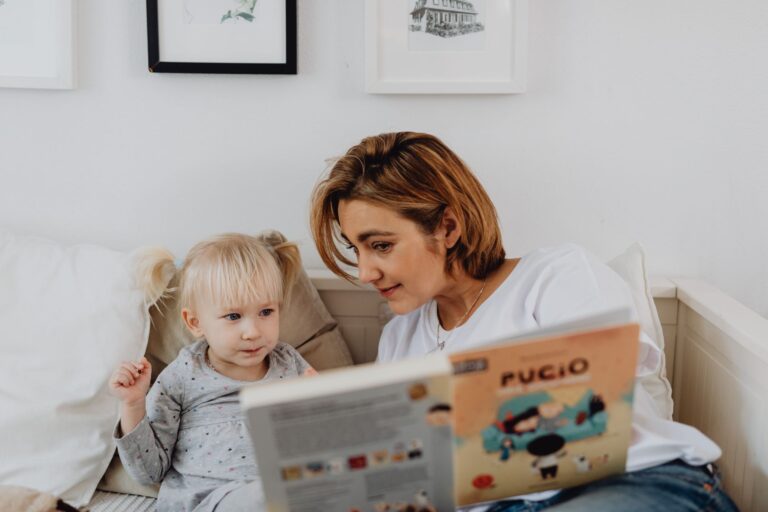
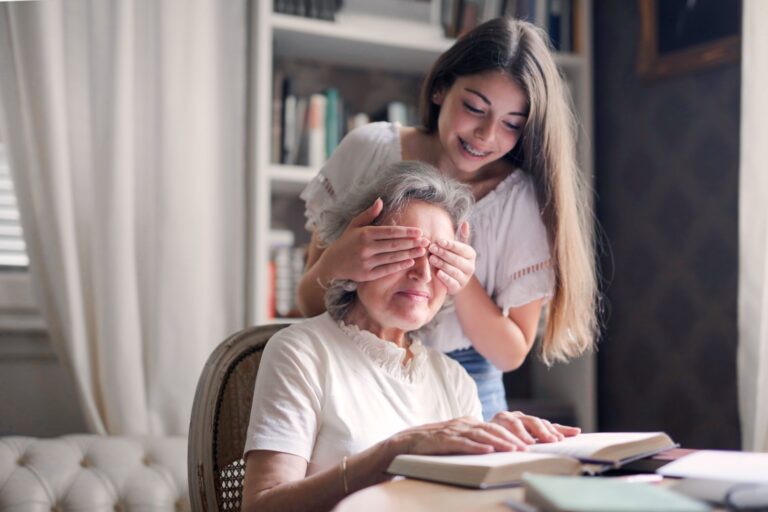
Choose short text, familiar topics, photos with clear large type, good lighting, and reading aloud together to support mood and conversation. That approach keeps attention on pleasure and connection rather than recall. Try these reader-friendly choices:.
- short stories, poems, devotionals, humor, sports, nature, travel, or childhood favorites
- books with one idea per page and many clear pictures
- familiar magazines, large-print headlines, or photo albums with captions
- reading aloud together, pausing to talk about memories and feelings
Where can families find books and other options?
Borrow large-print books from the local library and ask about home delivery, interlibrary loan, and large-print magazines. The Pennsylvania State Library explains that the Library of Congress National Library Service provides free braille and talking-book service to U.S. residents unable to read standard print because of visual, physical, or reading disability, in its talking-book service description.
Talking books and read-aloud time can carry reading forward when print alone becomes too hard. Mentally stimulating reading is linked with better brain health and slower decline, but it does not guarantee prevention of Alzheimer's disease, dementia, or memory loss. Use large print to protect comfort, dignity, and daily enjoyment.