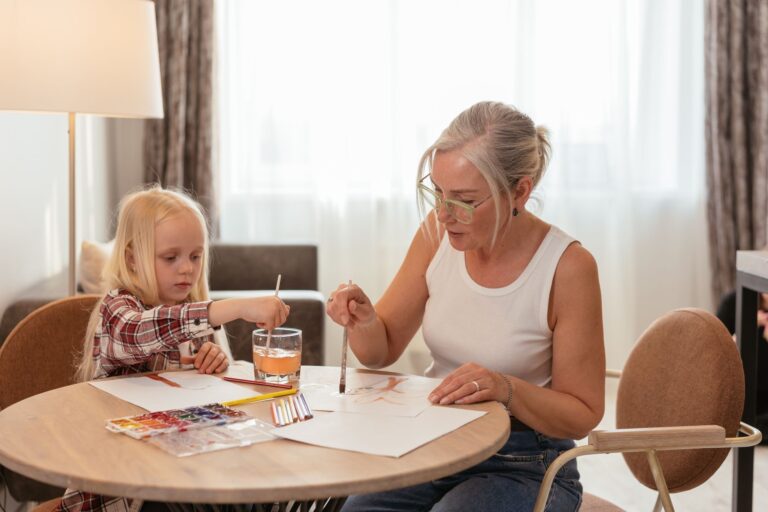
Simplify watercolor painting for memory care groups by using non-toxic paints, large easy-grip brushes, thick paper, and a few bold colors in short guided steps. Keep each session to 15 to 30 minutes with one simple prompt and praise for each completed step. Memory care groups are small supervised groups for people living with memory loss. Art projects can create a sense of accomplishment and purpose and give people with dementia and caregivers a chance for self-expression, according to the Alzheimer's Association.
Medical information disclaimer: This article is for general educational purposes only and does not provide medical advice, diagnosis, or treatment. Always consult a physician or other qualified health professional about symptoms, medications, tests, or treatment decisions.
Table of Contents
- What setup makes painting easier?
- How do you lead the painting step by step?
- How do you keep the mood supportive and adult?
- What can watercolor sessions realistically do?
What setup makes painting easier?
Choose materials that reduce frustration and support loose brushwork. SeniorSparks recommends non-toxic watercolor paints, large easy-grip brushes, thick or large paper, and a limited palette of bold contrasting colors because the fluid medium rewards loose strokes over precision, as described in its guide to simple crafts for dementia.
Set up a calm table with water, paper towels, and one brush per person. Tape the paper edges before the session for a clean border and a finished look. Avoid toxic substances and sharp tools that could injure participants with cognitive loss or limited judgment, advises the Alzheimer's Association.
How do you lead the painting step by step?
Match the activity to what each person can currently do. The National Institute on Aging advises helpers to get the person started, break the activity into small steps, praise each completed step, and let the person watch if preferred, as explained in its advice on adapting activities.
Give one simple prompt at a time, such as paint blue sky washes or add yellow circles. Demonstrate the stroke, then invite the group to try it.
- Offer two or three colors at once.
- Show wetting the brush, touching color, and making broad strokes.
- Pause for drying time and comment on color blends.
- Help with water changes and paper placement as needed.
How do you keep the mood supportive and adult?
Keep art on an adult level and avoid anything demeaning or childlike. The Alzheimer's Association encourages conversation, encouragement, and reminiscence about what the person is creating during middle- to late-stage Alzheimer's. Emphasize process over product.
An activity guide from EvryMemory suggests short sessions, one prompt at a time, and comments on colors and textures rather than asking what the image is. Say what you see, such as that blue flows nicely into green. Invite memories tied to colors or seasons without testing recall. Let quiet members participate by watching, holding the brush, or choosing colors.
What can watercolor sessions realistically do?
A 2025 randomized controlled trial and a 26-study systematic review through September 2025 found art interventions associated with improved global cognition and reduced neuropsychiatric symptoms in older adults with dementia, reported by Fujian Medical University researchers and colleagues in the 2025 Scientific Reports trial and review. Studies use varied art forms, doses, and small samples.
The American Art Therapy Association notes this variation, so offer watercolor for engagement, mood, and connection rather than as proof it restores memory. Watch for fatigue, frustration, or paint in the mouth and shorten or end the session when needed. Save finished pieces, display them at eye level, and note which colors and prompts drew the most interest for next time.