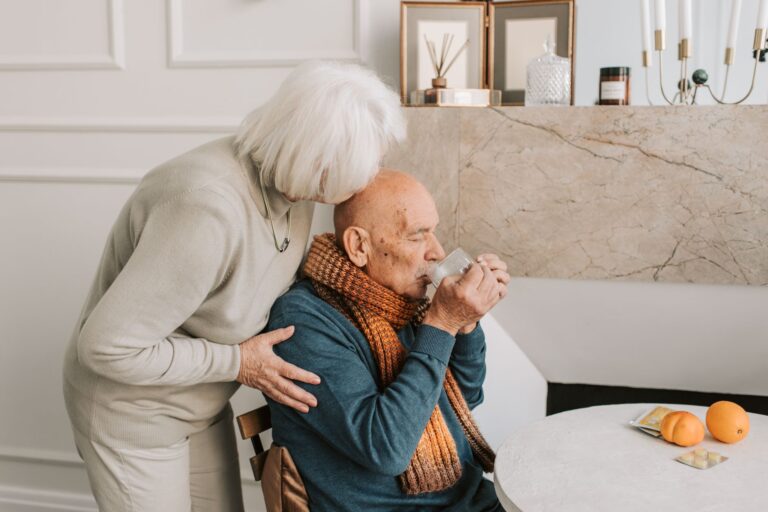
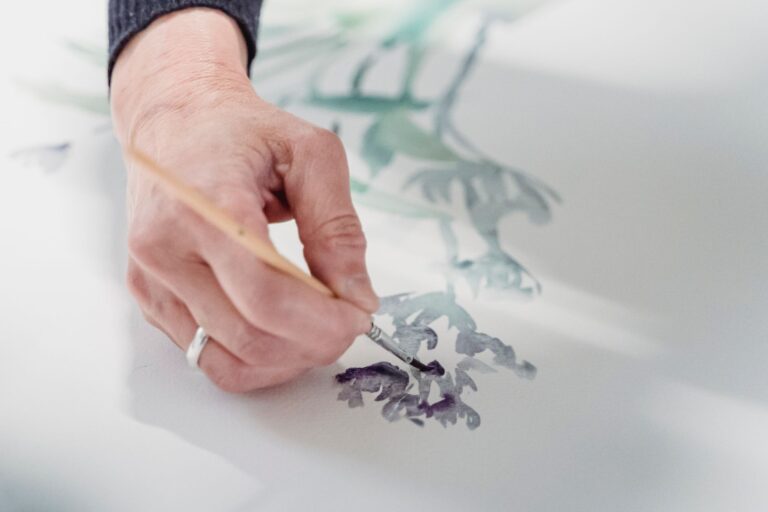
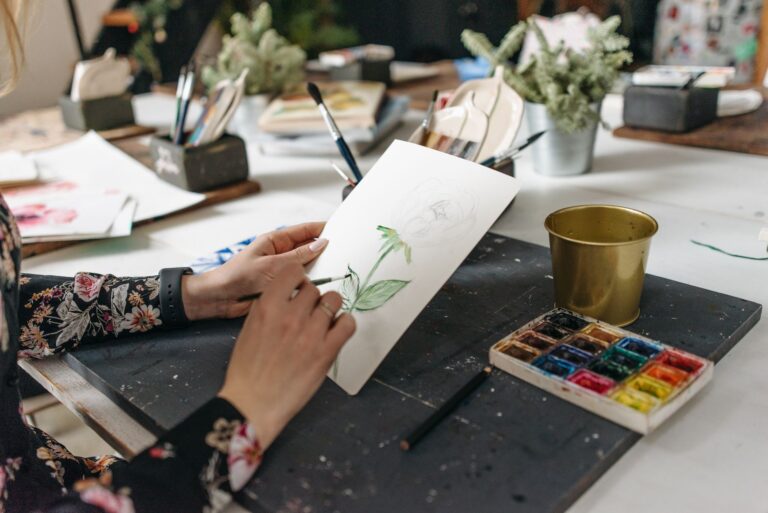
Watercolor painting for memory care groups means simple group art for people with memory loss, using easy tools and safe paint. Set up large paper, large brushes, and washable paint at a calm table with supplies in easy reach. Memory care here means residential or day support for adults living with dementia. Projects work best when they feel respectful and adult, not childlike, with time for mood and company.
Medical information disclaimer: This article is for general educational purposes only and does not provide medical advice, diagnosis, or treatment. Always consult a physician or other qualified health professional about symptoms, medications, tests, or treatment decisions.
Table of Contents
- What does a calm group setup need?
- Which supplies make painting easier?
- How do you keep paint time safe?
- What results should you plan for?
What does a calm group setup need?
Use a quiet table away from foot traffic, TV, and clutter. Keep paper, paint, water, and brushes within easy reach so no one must stretch or stand. Oaks Senior Living lists high-contrast paper, non-spill cups, aprons, and easy-reach supplies for a calm space in its senior art therapy guide.
Seat painters with space between chairs and helpers nearby. Keep extra paper and towels close for quick fixes. Give one clear step at a time and show a finished example. Allow extra time and praise steady effort over exact shapes.
- Cover the table and offer aprons.
- Place one high-contrast sheet per person.
- Set one non-spill water cup and small palette per person.
- Offer two brushes and three colors to reduce choice strain.
Which supplies make painting easier?
The Kensington Falls Church guide recommends large brushes, thick pencils or markers, washable nontoxic paint, and large sheets in its memory-care art guide. Large sheets stay put and give room for broad strokes. Thick handles reduce grip strain and help control.
Choose light watercolor paper with strong contrast against the table. Limit the palette to blue, yellow, and red plus water for mixing. Use dot palettes or squeeze tubes in small dabs to avoid spills.
How do you keep paint time safe?
The Alzheimer's Association advises keeping projects adult-level, using safe materials, and avoiding toxic substances and sharp tools in its art and music guidance. Skip craft knives, glass jars, and anything with fumes. Choose washable nontoxic paint and keep labels on bottles.
Watch for paint tasting, skin rubbing, or fatigue and offer water breaks. Keep hands, mouths, and eyes separate by narrating each step. Stay beside anyone who needs hand-over-hand help.
What results should you plan for?
Families often ask whether art can restore memory. A 2026 Frontiers in Public Health review found mood and memory gains in mild cognitive impairment, but certainty was low, in the full 2026 review.
Plan for company, choice, and mood lift rather than promised memory reversal. Success looks like choosing colors, trying strokes, talking, and staying calm. End while mood is good and label each sheet to share with family.