Adapt watercolor for memory care groups by helping each person start the first brushstroke and giving only one simple step at a time. Use safe, nontoxic materials with close supervision, and keep the focus on expression and accomplishment. Memory care groups bring together people living with dementia for structured activity. Watercolor fits because a brush, water, and color can carry choice and feeling without demanding precise drawing skill.
Medical information disclaimer: This article is for general educational purposes only and does not provide medical advice, diagnosis, or treatment. Always consult a physician or other qualified health professional about symptoms, medications, tests, or treatment decisions.
Table of Contents
- How should you set up the room?
- How do you guide without taking over?
- How do you invite memory and feeling?
- What should you expect from the evidence?
How should you set up the room?
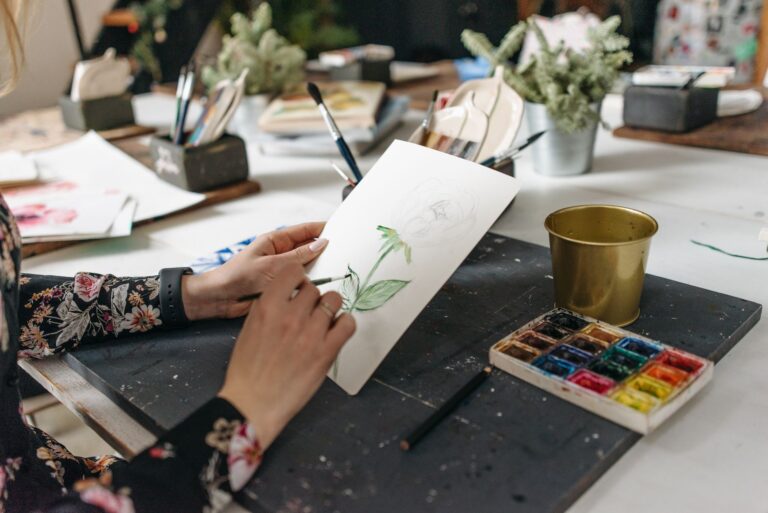
Keep the group small and the table uncluttered. Offer sturdy paper, large easy-grip brushes, one water cup per person, and only three or four colors. The National Institute on Aging advises matching activities to what the person can still do, reducing noise and distraction, having supplies ready, and scheduling at the best time of day in its guide to adapting activities for people with Alzheimer's disease.
Morning often works better than late afternoon, when fatigue rises. Avoid sharp tools, small loose parts, and glass jars. Keep aprons, wipes, and a drying area ready so help stays quiet and quick.
- Seat four to six painters where staff can see every hand
- Lay out supplies before seating anyone
- Lower noise, turn off TV, and keep extra paper nearby
- Choose adult-size brushes and thick paper that tolerates water
How do you guide without taking over?
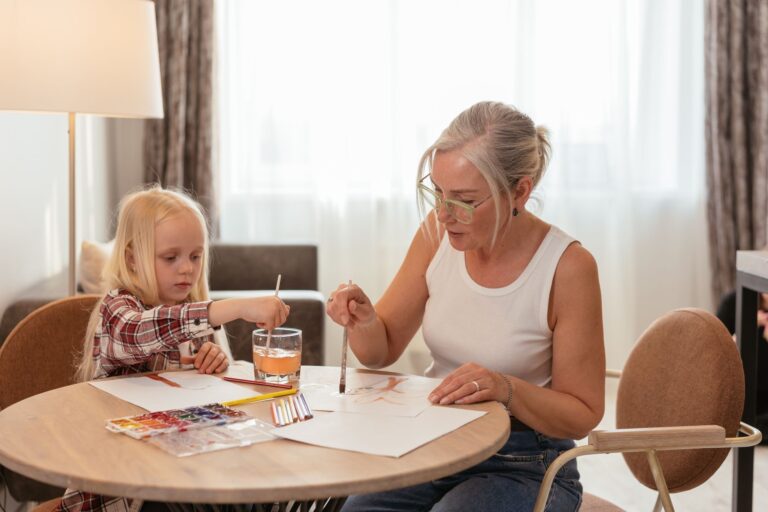
Start the motion, then step back. Touch brush to wet paper, make one stroke, and invite the person to continue. Give one short cue at a time, such as paint a blue shape or add water.
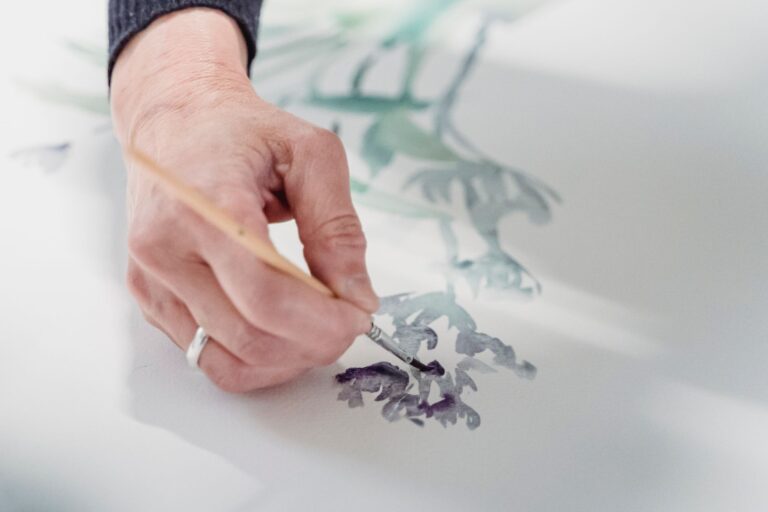
The Alzheimer's Association advises helping the person begin, for example by starting the brush movement if painting, then giving only basic instruction and assistance in its art and music caregiving guidance. The same guidance calls for safe materials, supervision, adult-level projects, and attention to expression over correctness. Let uneven washes, drips, and color mixing stand. Praise a specific choice, like a bold edge or calm blue area, rather than correcting form.
How do you invite memory and feeling?
Offer simple adult prompts tied to senses. Try late-summer garden, harbor boats, favorite fruit, or rain on a window. Ask what color that memory needs.
Alzheimer's Orange County describes Memories in the Making as watercolor painting that lets people who struggle to verbalize feelings express memories, hobbies, and emotions through brushstrokes with facilitator support in its Memories in the Making program description. A facilitator may hold paper steady, name colors, or echo a story the painter tells. Do not press for facts, dates, or correct recall. If someone paints quietly, treat steady brushwork as participation and stay nearby.
What should you expect from the evidence?
Expect engagement, calm, and pride more than measurable treatment effects. A 2018 Cochrane review of art therapy for dementia found only two eligible randomized trials with 60 total participants, rated the evidence very low quality, and judged it insufficient to decide efficacy, according to the 2018 Cochrane review of art therapy for dementia.
That limit matters for planning. Choose watercolor to support choice, sensory interest, conversation, and a finished piece to show family. Close each session by naming one color or shape the person chose and placing the painting at eye level to dry.