In memory-care watercolor groups, engagement means sustained visual attention, continued brush use and color mixing, smiling, and showing work by pointing or talking. Distress means restlessness or pacing, pushing materials away, withdrawal, sad or anxious or angry expression, vocal upset, and more late-day agitation.
Memory-care groups are structured activities for people living with dementia. Watercolor gives leaders clear, in-the-moment cues for whether to continue, simplify, or stop. The cues below help staff and family respond calmly.
Medical information disclaimer: This article is for general educational purposes only and does not provide medical advice, diagnosis, or treatment. Always consult a physician or other qualified health professional about symptoms, medications, tests, or treatment decisions.
Table of Contents
- What does engagement look like?
- Why does watercolor invite participation?
- What does distress look like?
- How can leaders adapt in the moment?
- What are the limits of the evidence?
What does engagement look like?
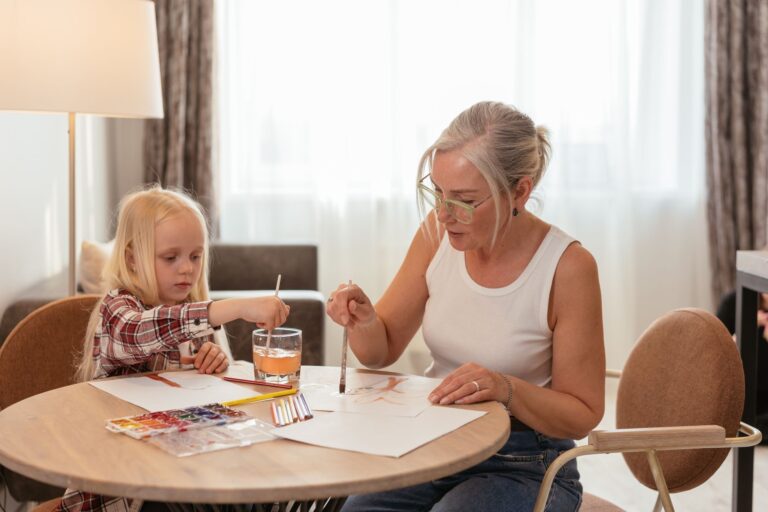
The Artful Moments pilot study describes engagement as close visual attention, continued brush handling, color mixing, and smiling with pleasure Artful Moments pilot report. Painters may point to finished areas and talk about them. Those small actions matter more than a finished picture. Social engagement is also visible during the session.
UsAgainstAlzheimer's practical guide describes talking with peers or staff, sharing materials, and reminiscing prompted by a color or brush motion. Calmer behavior afterward, such as greeting visitors, is another positive sign. Watch for duration, not skill. A person who keeps dipping, brushing, and looking for several minutes is engaged. A person who only watches with relaxed attention is still participating.
Why does watercolor invite participation?
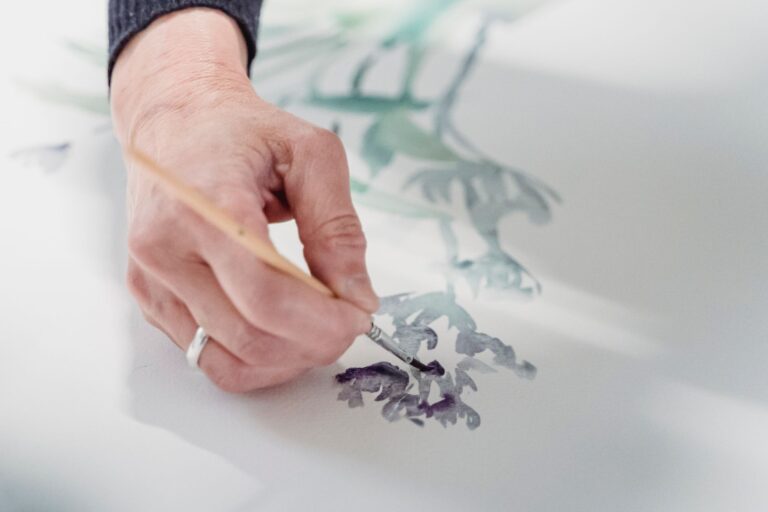
Watercolor steps are simple, repeated, and visual. Dipping, rinsing, changing colors, and watching washes blend give gentle fine-motor practice. EnotAlone, reporting a Gerontologist study, notes these steps let people join without relying on speech. That matters when word-finding is hard. A person can choose a blue wash, test it, and smile without explaining.
The brush motion itself becomes communication. Staff can follow the color choice rather than asking questions. Keep choices physical and immediate. Offer two colors, thick paper, and a pre-wet area. Let the person react to the spread of paint.
What does distress look like?
Distress is active, not quiet. The Artful Moments affect scale and aged-care case description link it to restlessness, refusal, negative facial expression, vocal upset, and increased late-day agitation. Treat these as signals to change course, not misbehavior.
Check basics first. Pain, fatigue, hunger, noise, glare, cold water, or a wobbly cup can drive refusal. One change, such as less noise or a steadier cup, may settle the moment.
- restlessness, fidgeting, standing, or pacing
- pushing paper, water, or brushes away
- withdrawal, turning away, or refusing to start
- sad, anxious, or angry face, crying, or sharp vocal sounds
- rising agitation later in the day instead of calm focus
How can leaders adapt in the moment?
Break work into small started steps. The National Institute on Aging guide recommends adapting tasks to current abilities, starting one step, emphasizing enjoyment over product, and accepting watching as valid participation National Institute on Aging activities guide. Stay beside the person and match their pace.
Protect dignity when stopping. Thank the person for trying, save the paper without judgment, and offer a calm alternative such as looking at colors together. Avoid correcting technique or urging a finish.
- start the wash, then invite one brushstroke
- offer one color at a time
- stabilize paper and use a low-spill water cup
- narrate gently without testing memory
- let watching count, then invite again later
What are the limits of the evidence?
A 2023 network meta-analysis in Frontiers in Psychiatry pooled 39 randomized trials with 2,801 dementia participants and found art-therapy approaches reduced agitation-related behaviors 2023 network meta-analysis in Frontiers in Psychiatry. Horticultural therapy showed the largest agitation decrease versus usual care. Results describe group averages, not any one painter.
A Ledgebay summary of a 2018 Cochrane review notes only two randomized trials with 60 total participants and very low-quality evidence. Benefits are therefore possible but not proven. Treat calm painting moments as welcome, not proof of a treatment effect.