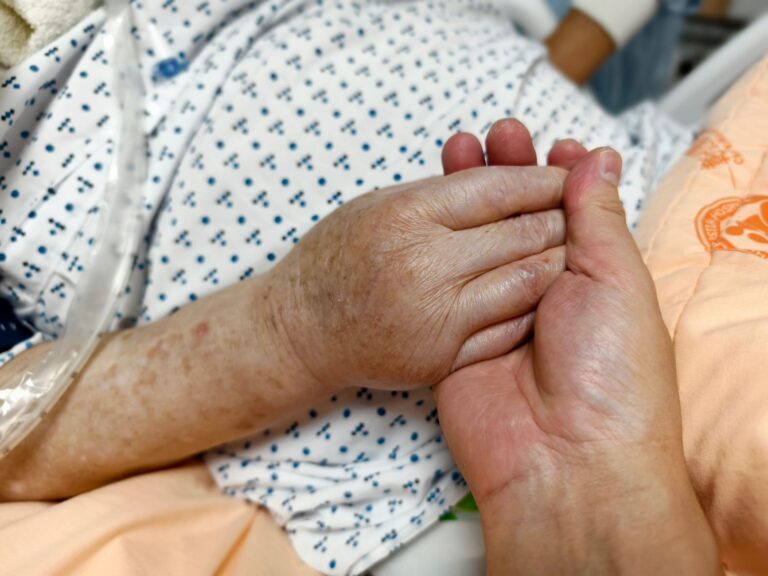
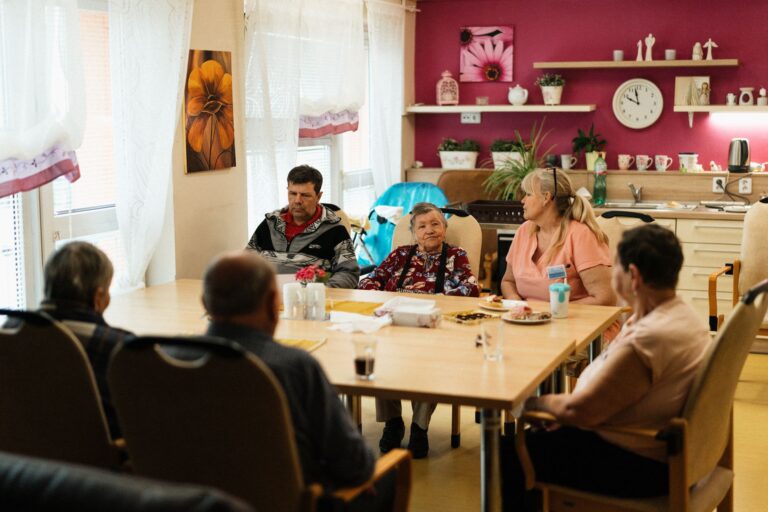
Death is near in end-stage dementia, the phase when speech, response, movement and swallowing fail, when sleep fills most hours and waking is hard. Eating drops sharply, weakness deepens, hands and feet turn cold, and breathing becomes irregular or noisy with pauses. These changes often follow repeated infections and major weight loss. They mark a shift from treatment toward comfort and hospice support.
Medical information disclaimer: This article is for general educational purposes only and does not provide medical advice, diagnosis, or treatment. Always consult a physician or other qualified health professional about symptoms, medications, tests, or treatment decisions.
Table of Contents
- What do the final weeks look like?
- Why do swallowing and weight loss matter?
- What happens in the final days?
- What care helps most now?
What do the final weeks look like?
The person sleeps most of the time and is hard to wake. Appetite falls, swallowing becomes difficult, interest in people withdraws, and weakness is profound. Marie Curie describes this cluster of sleep, intake, swallowing, withdrawal and weakness in its dementia end-of-life guide.
Response to surroundings fades and conversation stops. Control of movement declines, with progressive loss of walking, then sitting, then swallowing. Daily life needs full hands-on help for positioning, transfers and meals.
Why do swallowing and weight loss matter?
Swallowing problems cause choking, poor intake and weight loss. Soft foods, upright posture during meals and choking precautions reduce harm and ease eating effort.
Worsening dysphagia lets food or liquid enter the lungs. The National Institute on Aging links this aspiration to pneumonia, hospitalization and death in its care in the last stages of Alzheimer's. Unity Hospice lists recurrent aspiration pneumonia, urinary infections, sepsis, major weight loss and loss of speech, walking and sitting as markers for six-month hospice eligibility.
What happens in the final days?
Hands, feet, arms and legs grow cold as circulation slows. Swallowing fails, sleep extends into unconsciousness, and terminal restlessness or agitation may appear.
Intake falls to very little food or drink. Beta Hospice notes trouble swallowing, cool hands and feet, irregular or noisy breathing with pauses, restlessness, confusion and reduced urine in its final-days guide. A pause in breathing, rattle sound or long sleep period can alarm families but fits this stage.
What care helps most now?
Keep the focus on comfort, safety and presence. Offer small amounts of soft food only when alert and upright, allow rest, keep the mouth clean and moist, and stop if coughing, choking or fatigue appears.
Timing remains hard to predict, and tube feeding has no proven longer-life benefit. The Alzheimer's Association states this limit and points to careful hand feeding and comfort-focused care in its end-of-life decisions paper. Ask the care team about hand-feeding and comfort measures for swallowing failure.
- Offer a small bite or sip, then pause and watch
- Keep the head and chest upright during and after eating
- Stop for cough, pocketing food, distress or sleepiness