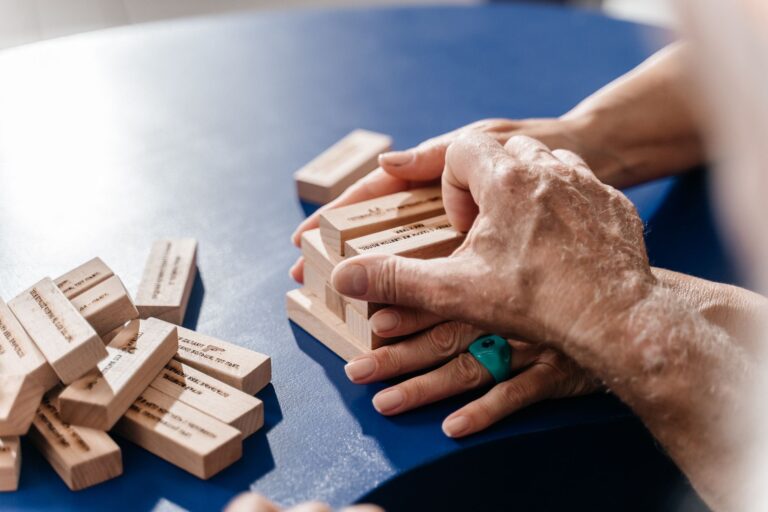
Building social connection into a realistic dementia prevention routine with mild cognitive impairment means adding one or two weekly outings with other people. Mild cognitive impairment means memory or thinking changes you notice, but you still manage daily tasks alone. The routine works best when social time also adds light mental challenge and movement. The examples below fit busy schedules, limited energy, and memory lapses.
Medical information disclaimer: This article is for general educational purposes only and does not provide medical advice, diagnosis, or treatment. Always consult a physician or other qualified health professional about symptoms, medications, tests, or treatment decisions.
Table of Contents
- What the social connection evidence shows
- Which contacts count toward protection
- How to shape a weekly routine with MCI
- What social time cannot prove alone
What the social connection evidence shows
Rush University reports that in 1,923 dementia-free participants averaging about age 80, the most socially active group developed dementia an average of five years later than the least active group over nearly seven years Rush University release. The qualifying contacts were ordinary outings such as dining out, playing games, taking trips, visiting friends, and attending religious services.
The World Health Organization now recommends cognitive stimulation plus participation in social activities for adults with normal cognition or mild cognitive impairment WHO guidelines notice. The agency says up to 45% of dementia risk could be prevented or delayed.
Which contacts count toward protection
Count face-to-face time that requires attention, conversation, and response. A shared meal, card game, faith service, club meeting, walk with a friend, or short day trip all qualify.
Choose contacts you can repeat without strain. One regular lunch plus one regular game, walk, or service creates steady exposure without complex planning.
How to shape a weekly routine with MCI
Pair people with movement and thinking tasks. The Alzheimer's Association reported that in the two-year U.S.
POINTER trial in 2,111 adults ages 60-79 at risk for decline, both lifestyle arms improved cognition, while the structured exercise, MIND diet, cognitive plus social challenge, and health monitoring arm improved global cognition most AAIC trial release. Use simple anchors that survive forgetfulness: Tell companions about MCI in plain terms and ask for clear cues. Ask them to name the meeting place, send a text reminder, and walk beside you on busy streets.
- fix two weekly slots, such as Tuesday lunch and Saturday walk
- invite one person to join each slot
- add one thinking layer, such as cards, museum visit, or new recipe
- set phone reminders, lay out clothes and transit fare early
- keep a backup contact for weeks when someone cancels
What social time cannot prove alone
Harvard Health Publishing notes that the Rush finding is observational, so it shows association rather than proof that socializing directly prevents dementia Harvard Health summary. People with early decline may also withdraw, which can strengthen the link.
Treat social outings as one part of a broader plan with sleep, exercise, diet, hearing and vision care, and medical follow-up. If outings feel confusing, unsafe, or exhausting for two weeks in a row, ask your clinician to review causes and adjust the plan.