Research shows PEG tubes do not offer proven benefit in advanced dementia. The American Geriatrics Society recommends against their routine use and advises careful hand feeding when eating problems develop.
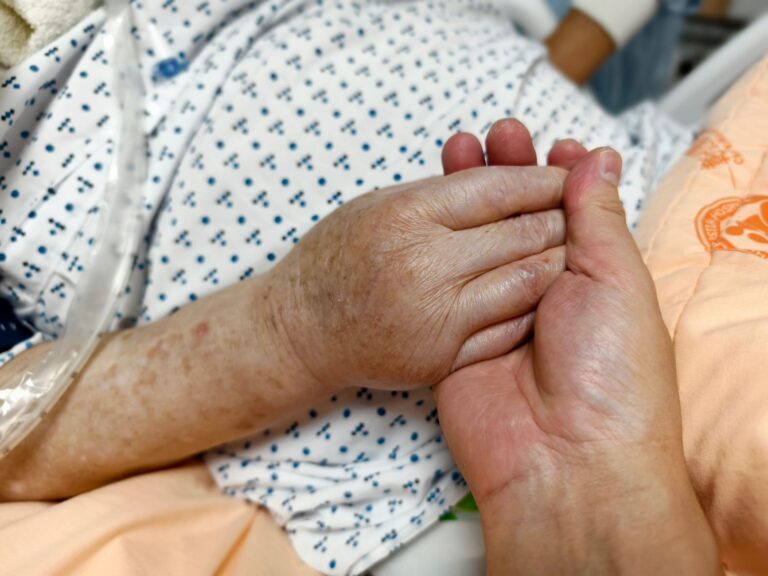
A PEG tube is a tube placed through the abdominal wall into the stomach for liquid nutrition. Families often consider a tube when a loved one chokes, loses weight, or eats less. Understanding benefits, harms, and alternatives helps guide a calmer choice.
Medical information disclaimer: This article is for general educational purposes only and does not provide medical advice, diagnosis, or treatment. Always consult a physician or other qualified health professional about symptoms, medications, tests, or treatment decisions.
Table of Contents
- Do PEG tubes extend life or improve health?
- What harms can tubes cause?
- What does careful hand feeding involve?
- How can families make a clear decision?
Do PEG tubes extend life or improve health?
A March 2022 Cochrane systematic review found insufficient evidence that tube feeding prolongs survival, improves nutrition, prevents pressure ulcers, or improves quality of life in advanced dementia. The evidence summary reflects the lack of strong randomized trials in this population. A landmark JAMA review by Finucane and colleagues found no published data that tube feeding prevents aspiration pneumonia, heals pressure sores, improves comfort or function, or extends survival.
That finding was summarized in American Family Physician in April 2000. The Alzheimer's Association states that research shows no medical benefit from feeding tubes in advanced Alzheimer's and notes possible harm. It recommends careful hand feeding and comfort-focused care if swallowing is lost.
What harms can tubes cause?
In a large nursing-home study, residents with advanced dementia who received PEG tubes developed new pressure ulcers at nearly double the rate of those without tubes, 35.6% versus 19.8%. The hospital news summary attributes the data to Teno and colleagues in 2012. A February 2025 JAMA Network Open review links tube feeding in advanced dementia to agitation and greater use of physical and chemical restraints.
Tube-site infection, bleeding, leakage, and extra health-care use from complications add further burden. European nutrition guidance takes a firmer line for the final phase. The ESPEN guideline on nutrition in dementia states that tube nutrition and fluids shall not be started in severe dementia in the terminal phase.
What does careful hand feeding involve?
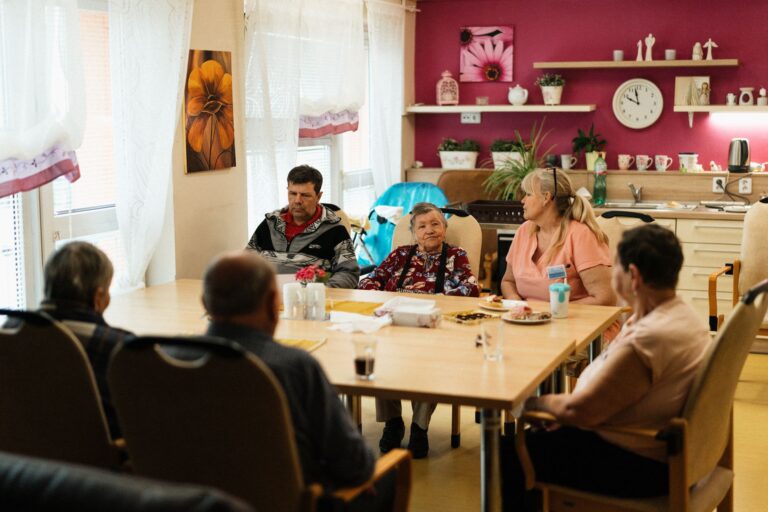
Careful hand feeding means offering small bites and sips guided by comfort and ability. A caregiver sits at eye level, allows extra time, and stops when coughing, distress, or refusal appears.
This approach keeps eating a social and sensory activity. It also allows the amount to fall naturally as dementia advances without forcing intake.
- Offer soft foods and thickened fluids if the speech or swallowing team advises them
- Pause often, check the mouth for pocketed food, and keep the person upright after meals
- Focus on enjoyment, company, and mouth care rather than a target calorie count
How can families make a clear decision?
Start by naming the main goal, such as comfort, staying home, or avoiding hospital trips. Ask the doctor how a tube would or would not support that goal given swallowing changes and overall decline. The position statement from the American Geriatrics Society in 2014 advises offering careful hand feeding instead when eating difficulties arise.
Families can ask for a swallowing review, a hand-feeding plan, and regular mouth care. Ask the care team to document food preferences, signs to pause a meal, and when to shift fully to comfort care. Bring that written plan to every visit and care handoff.