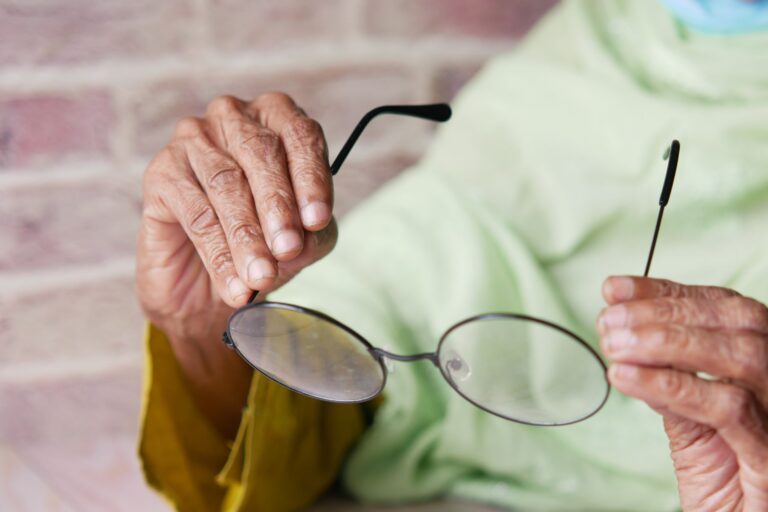
Hearing loss raises dementia risk, and hearing aids reduce that risk for many older adults. Dementia means ongoing decline in memory and thinking that disrupts daily life, and aids help by keeping people in conversation. Midlife hearing loss accounts for about 7% of global dementia cases, according to the BrightFocus Foundation summary of the 2024 Lancet Commission report. Fourteen modifiable factors together account for about 45% of cases.
Medical information disclaimer: This article is for general educational purposes only and does not provide medical advice, diagnosis, or treatment. Always consult a physician or other qualified health professional about symptoms, medications, tests, or treatment decisions.
Table of Contents
- Why does hearing loss strain memory and behavior?
- How strong is the link to dementia?
- Can hearing aids slow cognitive decline?
- When should you get hearing checked?
Why does hearing loss strain memory and behavior?
Untreated hearing loss makes conversation hard work. You miss words, lose track in noise, and tire quickly. Many people then talk less and avoid gatherings.
That withdrawal cuts daily mental exercise and social contact. Less contact matters because social isolation itself raises dementia risk. The Alzheimer's Association, reporting via WebMD, describes struggling to follow conversations as a path toward talking less and withdrawing socially.
How strong is the link to dementia?
Johns Hopkins researchers studied 2,413 Medicare beneficiaries over age 65. Dementia was 61% more common with moderate or severe hearing loss than with normal hearing, the team reported in the Johns Hopkins announcement on EurekAlert.
Among 853 participants with moderate or severe loss in that same study, hearing aid users had 32% lower dementia prevalence than non-users. The gap points to aids as a protective factor, not proof alone.
Can hearing aids slow cognitive decline?
The ACHIEVE trial enrolled 977 adults ages 70-84 with untreated hearing loss. Three years of aids plus support slowed decline by 48% in the higher-risk group, according to the Cochlear summary of the ACHIEVE results.
That benefit applied only to the higher-risk subgroup. The trial does not prove hearing aids prevent dementia for all adults with hearing loss, as the NIH Research Matters analysis explains.
When should you get hearing checked?
Hearing loss affects about two-thirds of Americans over 70, Johns Hopkins notes. Early testing preserves connection and thinking skills.
Treat change early rather than waiting for others to insist. Use these next steps if you notice repeats, high volume, or avoidance of calls: Bring a family member to the fitting to review daily use and cleaning.
- Ask your primary care clinician for a hearing test.
- Use aids as fitted and return for adjustments.
- Stay in group talks, meals, and calls while you adapt.