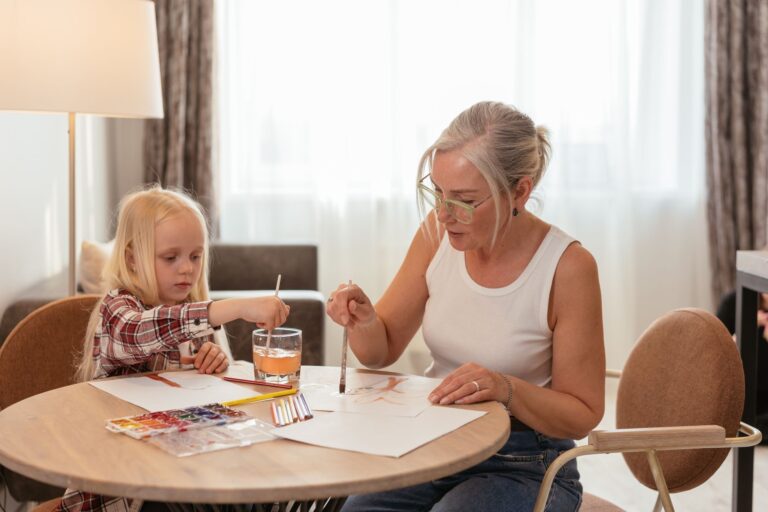
On a low-energy dementia day, skip the raised bed and garden seated at a windowsill or sheltered sitting spot. Good swaps include succulent pots, young chives on a sunny sill, and short pottering beside a chair outdoors. A raised bed is a waist-high framed box that cuts bending but still asks for standing, walking, and focus.
Interest and energy can shift hour by hour with dementia. A smaller task lets the person join in, rest, and stop without guilt. The aim is comfort and contact with plants, not output.
Medical information disclaimer: This article is for general educational purposes only and does not provide medical advice, diagnosis, or treatment. Always consult a physician or other qualified health professional about symptoms, medications, tests, or treatment decisions.
Table of Contents
- Try a windowsill first
- How do you make sitting spots work outdoors?
- Which plants suit smell, touch, and safety?
- What should you expect from the day?
Try a windowsill first
Windowsill pots with succulents and cactus suit tired days because they grow slowly and need little watering. They also tolerate varied light, so a kitchen or bedroom sill often works. integratedliving Australia describes these forgiving plants in its indoor gardening guide for seniors. Use light tools and small or upcycled pots that are easy to lift.
Work seated at a table and pause when tired. integratedliving Australia says this seated pace helps people garden while energy and interest change. Potted growing needs no owned land and little strength. Clinical Interventions in Aging reports entry can be one container and one plant. Keep one finished pot in view for days with no starting energy.
How do you make sitting spots work outdoors?
Place pots near sitting areas and entrances for very short spells of pottering. Add separate shaded spots for activity, chatting, and quiet time. The Victorian Department of Health recommends this layout in its dementia-friendly gardens guidance.
Set out only what the hands can reach in one sitting. Keep paths level and clear of trip points. Allow free movement between indoors and outdoors. The same Victorian Department guidance calls for level hazard-free paths and free outdoor access.
- Move a sturdy chair into light shade with a small table.
- Set one pot, one small can, and one cloth within reach.
- Let the person touch soil, sniff leaves, or simply watch.
Which plants suit smell, touch, and safety?
Choose easy sensory-garden plants for smell, touch, colour, and sound. A leaf to rub, a bright flower, and rustling grass give quick interest. Sensory Trust guidance says these plants also give shelter and shady rest. Chives suit small spaces and need little care.
The Royal Horticultural Society says chives can be sown indoors in early spring for a sunny kitchen sill in its chives growing guide. Snip a few leaves for smell and taste, then leave the pot to regrow. Pick non-toxic plants that show seasonal change. People with dementia may touch or taste leaves, so avoid poisons and thorns. The Victorian Department of Health advises non-toxic planting with seasonal cues.
What should you expect from the day?
Keep the job tiny and optional. One pot watered, one dead leaf removed, or five minutes watching bees is enough. Stop at the first sign of fatigue or lost interest.
Gardening links to better late-life scores but does not prove prevention. Community Gardening reports lifetime gain in 467 Edinburgh participants tested at ages 11 and 79. It cautions studies do not prove gardening prevents dementia in its review of gardening and cognition.