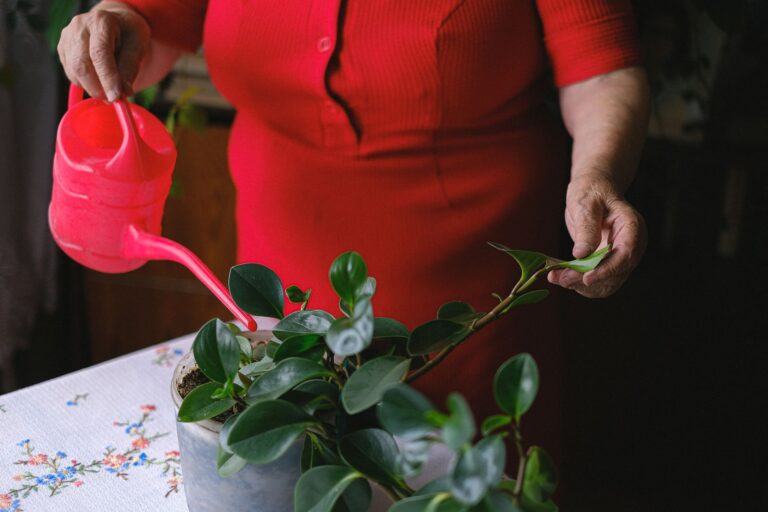
Step-by-step indoor gardening for one-on-one dementia care is a short, seated activity where a caregiver and person garden side by side at a table. Each step uses touch, smell, and sight to invite participation without pressure. Horticultural therapy means structured gardening used to support mood and engagement. For dementia care at home, that means one small pot, one simple task at a time, and a calm pace.
Medical information disclaimer: This article is for general educational purposes only and does not provide medical advice, diagnosis, or treatment. Always consult a physician or other qualified health professional about symptoms, medications, tests, or treatment decisions.
Table of Contents
- What benefits can you expect?
- How do you set up a safe one-on-one space?
- Which plants and containers work best?
- What are the steps for a calm session?
What benefits can you expect?
A 5-week pilot followed 23 institutionalized patients with sleep disturbance or agitation. After 4 weeks of indoor gardening, wake time after sleep onset improved. That term means time spent awake after first falling asleep. Sleep efficiency, agitation and cognition also improved, but total sleep time did not. The findings appear in the International Journal of Geriatric Psychiatry pilot study record.
Murroni and colleagues reviewed 16 quantitative studies of gardens and gardening therapy. Fourteen reported significant psychophysiological improvements. Largest effects were on engagement, agitation, mood, stress and as-needed medication use. A 10-week study followed 51 people with dementia in day centers and residential care. Mood, behavior, communication and function were higher during structured horticultural therapy than during music, yoga or table games. BMC Geriatrics published the comparison in 2024 study report.
How do you set up a safe one-on-one space?
Set up a clear, protected table with caregiver and person side by side. Use small cups for soil and avoid sharp tools and materials. Check first for plant allergies and skin irritation, advises the Alzheimer's Foundation of America gardening activity guide.
Choose plants without poison, thorns, prickles or sharp edges. Keep access clear by rearranging pots and furniture to prevent falls. The Alzheimer's Society UK also recommends fencing off water features.
Which plants and containers work best?
The University of Connecticut Home Garden Education lists African violet, spider plant, Boston fern, parlor palm and peperomia as safer indoor choices safe and toxic houseplants fact sheet. Many common houseplants such as pothos, ZZ plant and fishtail palm are listed as toxic or irritating. Leave those out of the activity.
Cornell Cooperative Extension says a basic indoor container needs drainage holes, potting media, nutrients and light. Water thoroughly until water runs out the bottom whenever the mix feels dry. Containers dry faster than ground soil.
What are the steps for a calm session?
Microgreens and herbs make a practical one-on-one project. Cornell Garden-Based Learning notes they grow indoors without special lights.
They need only gentle misting or brief bottom-watering, while adding smell, touch, taste and sight stimulation. Stop the session and rinse skin if redness, itching, sneezing, or agitation appears.
- Cover the table, sit side by side, and set out one pot and small cups of soil.
- Fill the container, sprinkle seeds, press lightly, and mist gently.
- Invite touch of leaves, smell of herbs, and look at color and shape.
- Bottom-water briefly as needed and check daily whether the mix feels dry.