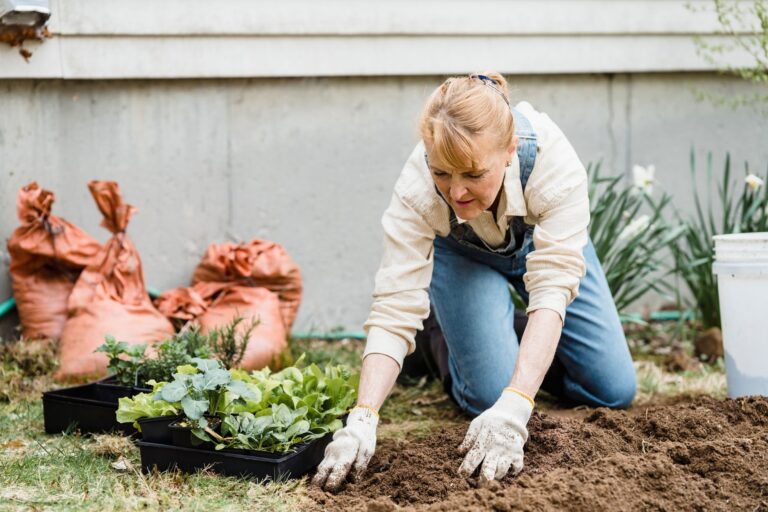
Simplify indoor gardening for late-stage dementia by shrinking it to one small container and one single-step task at a time. Offer safe, familiar plants at table height with an easy-grip watering can and show each motion to copy.
Late-stage dementia means advanced decline in memory, language, movement, and judgment. Small, repetitive sensory contact can still invite attention and ease. The goal shifts from growing plants to sharing calm moments.
Medical information disclaimer: This article is for general educational purposes only and does not provide medical advice, diagnosis, or treatment. Always consult a physician or other qualified health professional about symptoms, medications, tests, or treatment decisions.
Table of Contents
- Shrink the garden to match ability
- What does a simple indoor setup look like?
- How do you keep plants safe within reach?
- How do you invite participation without pressure?
- What results can caregivers expect?
Shrink the garden to match ability
Penn State Extension advises caregivers to plan easy, repetitive, single-step activities. Repetitive actions stay manageable in advanced dementia, and it lists gardening and flower arranging as simple joys, according to its engagement guide.
Memory-care provider Terra Vista advises scaling back from a full garden in later stages. A window box tended indoors or flowers arranged in a vase can match reduced ability, according to its horticultural therapy advice.
What does a simple indoor setup look like?
As reported by CIUSSS West-Central Montreal, staff at Montreal's Donald Berman Jewish Eldercare built a wheeled mobile garden for residents with dementia. It held colorful potted plants, herbs, and flowers for seeing, touching, and smelling. Wind chimes added sound, while easy-grip watering cans and spray bottles fit weak hands.
Keep everything within seated reach at a stable table. Clear extra clutter so the plant and tool stand out. Choose one task per session, such as watering or touching leaves.
- Place one pot or window box at table height
- Offer one easy-grip can or spray bottle
- Show one motion, then invite copying
- Stop when attention fades
How do you keep plants safe within reach?
UK charity Thrive recommends raised beds, pots, and elevated planters to reduce bending. It also advises thorn-free, non-poisonous plants instead of thorny or toxic varieties for people with dementia, according to its gardening and dementia guide.
The National Capital Poison Center maintains an illustrated list that separates poisonous from non-poisonous indoor and outdoor plants. Check each species on that list before placing it within reach, as described in its plant guide.
How do you invite participation without pressure?
Caregivers at the Montreal eldercare home demonstrated watering, then residents with advanced dementia imitated the motion. Short, guided copying worked better than verbal instruction. As reported by CIUSSS West-Central Montreal, demonstration lowered the barrier to start.
Familiar plants also triggered brief positive memories in those residents. Those moments calmed agitation and reduced intrusive wandering. Staff hoped such calm could lessen antipsychotic use.
What results can caregivers expect?
In a 6-month naturalistic study of 24 residents, reported by Wittlinger and colleagues in BJPsych Open, a stage-adaptive dementia therapy garden was linked with lower agitation. Scores fell on non-cognitive subscales of the Alzheimer's Disease Assessment Scale, with p less than 0.05.
Lower agitation correlated with better well-being. The study discussion notes the work was small, observational, and site-specific without a control arm. It shows association with less agitation but cannot prove that indoor-table gardening alone causes the change.