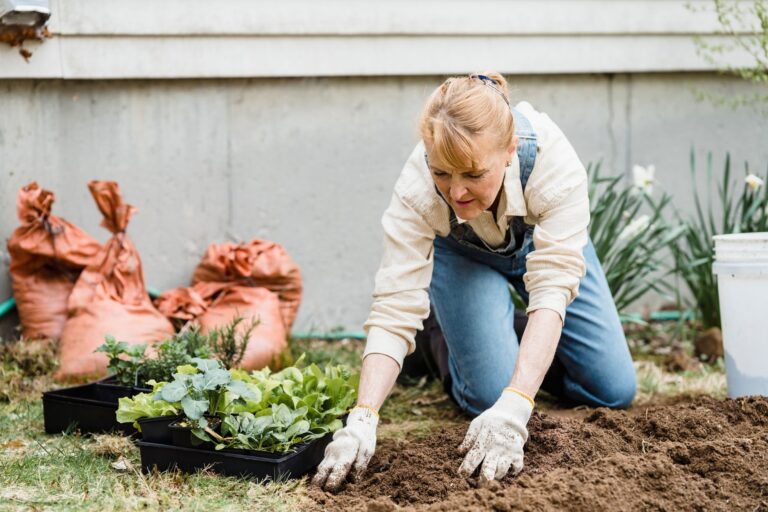
Simplify indoor gardening for middle-stage dementia by offering one familiar task at a time. Help start the task, break it into small praised steps, and let the person watch if they prefer. Middle-stage dementia often means a person needs help with daily tasks. The Alzheimer Society of Canada blog describes familiar, hands-on gardening as a complement to care plans that invites touch, smell, and conversation.
Medical information disclaimer: This article is for general educational purposes only and does not provide medical advice, diagnosis, or treatment. Always consult a physician or other qualified health professional about symptoms, medications, tests, or treatment decisions.
Table of Contents
- What can you do indoors?
- How do you keep each step simple?
- Which plants and setup lower risk?
- What can you expect?
What can you do indoors?
Match the activity to what the person can still do. Alzheimers.gov guidance lists caring for plants, planting flowers and vegetables, watering as needed, and talking about growth.
Stay inside when weather, mobility, or safety makes outdoor work hard. Pour water, mist leaves, wipe broad leaves, or simply hold and smell an herb.
How do you keep each step simple?
Offer only watering, only potting, or only watching during one sitting. The Kensington Falls Church caregiver guide advises one simple task at a time indoors, such as watering only, when outdoor gardening is difficult caregiver guide.
National Institute on Aging guidance on adapting activities recommends the same steady pattern: Keep supplies within reach and remove extra pots, soil, and tools. Stop while the experience is still pleasant.
- Help the person start the task.
- Break it into one small step at a time.
- Praise each step and allow watching instead of joining.
Which plants and setup lower risk?
Choose non-toxic, easy-care indoor plants that tolerate touch. Head Start safety guidance based on the National Capital Poison Center list names African violet (Saintpaulia ionantha) and spider plant (Chlorophytum comosum) as lower-risk options safety article on poisonous plants.
Avoid plants that harm when touched or eaten and anything with thorns or prickles. Alzheimer's Society UK gardening tips advise rearranging pots and furniture for safe access and considering easy-grip tools.
What can you expect?
A September 2024 meta-analysis by Hangzhou Normal University and colleagues pooled 9 randomized trials with 655 older dementia patients and found horticultural therapy improved cognitive scores, reduced depression, and improved daily activities and quality of life PubMed record. Keep small parts out of reach. A University of Florida therapeutic-horticulture plan warns that tiny seeds can be a choking hazard for people who mouth objects, so use large seeds, seedlings, or watering and sensory tasks instead.