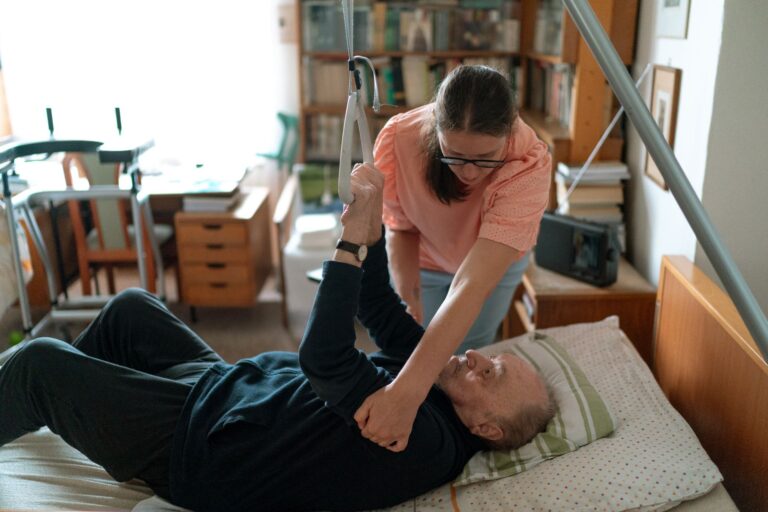
Caregivers can spot early warning signs of dementia this winter by tracking memory slips, thinking struggles, and mood shifts day by day. Shorter daylight and indoor routines expose these patterns sooner, so note what repeats and what disrupts daily life. Dementia means a decline in memory and thinking severe enough to interfere with daily life. Winter does not cause it, but low light, less activity, and holiday stress can make early changes stand out.
Medical information disclaimer: This article is for general educational purposes only and does not provide medical advice, diagnosis, or treatment. Always consult a physician or other qualified health professional about symptoms, medications, tests, or treatment decisions.
Table of Contents
- Memory slips that disrupt the day
- Thinking struggles beyond forgetfulness
- Mood and personality shifts to note
- Why late afternoons feel harder in winter
- How to track changes without jumping to conclusions
Memory slips that disrupt the day
The Alzheimer's Association lists memory loss that disrupts daily life as one of the most common early signs of Alzheimer's disease, described in its 10 warning signs. This means more than occasional forgetfulness.
It shows up as a pattern that blocks cooking, bills, appointments, or medication. Watch for forgetting recently learned information, important dates, or events. Notice repeated questions about the same fact after you already answered.
- Forgets new details, such as a visitor, phone call, or instruction
- Misses important dates or asks the same question again and again
- Needs more reminders and memory aids than last season
Thinking struggles beyond forgetfulness
Early change also affects concentration, planning, and familiar steps. A person may lose track mid-task, skip steps in a recipe, or struggle to follow a budget. Lists and focus help less than before. Language, distance, and judgment can shift too.
Look for trouble finding the right word, poor understanding of distances, and misplaced items with lost retracing. Getting lost on a known route or showing weaker reasoning also matters. Compare this month with last fall, not with one bad day. A new, steady drop in handling keys, tools, directions, or decisions deserves attention.
Mood and personality shifts to note
Dementia commonly brings mood and personality changes. Watch for withdrawal, irritability, anxiety, or low mood. Confusion about time or place can appear alongside these shifts. Conversation offers clear clues.
The person may stop following a group talk, repeat stories, or pull away from friends. Family often senses flat interest, restlessness, or sudden frustration first. Winter isolation can sharpen these signs. Fewer outings and darker evenings give you fewer baselines, so note when the change started and what settings trigger it.
Why late afternoons feel harder in winter
Some people show sundowning, with more distress, agitation, confusion, hallucinations, or delusions in late afternoon or evening. Alzheimer's Society UK explains this pattern can occur at any stage and is more common in middle and later dementia, in its sundowning guidance. Short days do not prove dementia, but dim light and broken routine can worsen restlessness. Caregivers can steady the evening with bright indoor lighting, regular wake times, meals, and movement.
Keep social contact frequent through visits, calls, or short daytime outings. Calm the late-day hours with the same order of dinner, bathing, and bed. Track whether distress clusters after sunset, eases with light, or follows naps and caffeine. That timing helps separate a winter rhythm problem from a broader decline.
How to track changes without jumping to conclusions
Cold-season scores can look worse than summer scores. In 3,353 older adults in U.S., Canadian, and French cohorts, average cognition was lower in winter-spring than summer-fall by the equivalent of 4.8 years of age-related decline, with 31% higher odds of meeting MCI or dementia criteria, according to a PLOS Medicine study by Lim and colleagues reported in this study summary. That finding is limited because each person was tested only once per year and only temperate Northern Hemisphere residents were studied.
Use that limit as a caution. One winter test, quiz, or bad week cannot diagnose dementia. Look for loss across memory, thinking, and daily function over weeks.
- Write date, time, sleep, light, and what happened
- Save examples: words lost, tasks missed, routes confused
- Note mood, withdrawal, and evening agitation
- Bring two weeks of notes to the medical visit