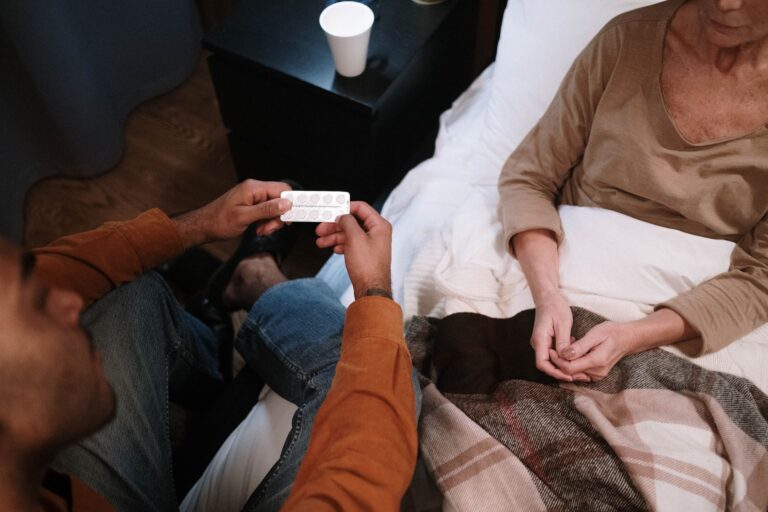
Keep the gathering small, short, and low-noise, with a quiet retreat and an easy exit plan. Talk one-on-one with short simple sentences, low background noise, and extra time without finishing sentences.
Lewy body dementia is a brain disorder that can cause thinking shifts, movement changes, and vivid visual misperceptions. Aphasia is a language problem that makes speaking or understanding words hard, even when the person still knows what they mean. Together at holidays, bright decor, crosstalk, and evening fatigue can quickly raise confusion and distress.
Medical information disclaimer: This article is for general educational purposes only and does not provide medical advice, diagnosis, or treatment. Always consult a physician or other qualified health professional about symptoms, medications, tests, or treatment decisions.
Table of Contents
- Why do busy holiday rooms cause trouble?
- How should you set up the visit?
- How can guests include someone with aphasia?
- What should you do when distress spikes?
- When should you leave early or skip?
Why do busy holiday rooms cause trouble?
People with Lewy body dementia often have early, repeated visual hallucinations, such as seeing a person or animal in an empty room. Decorations and shadows can also create illusions, such as mistaking a coat rack for a person. The Lewy Body Dementia Association notes that busy decorated rooms can therefore trigger misperception its behavior-change overview.
The Lewy Body Dementia Association also notes that behavior can shift with fatigue, hunger, pain, medication, and time of day. Evening can be harder, especially with sundowning. That is why the same person may enjoy lunch but feel lost at a loud night party.
How should you set up the visit?
Schedule the gathering for the person's best time of day and keep simultaneous visitors low. The National Institute on Aging advises avoiding crowds and strange places, favoring lunch over evening when sundowning occurs, with an easy exit plan its adapting activities guide. Keep meals, rest, and bathing routines as steady as possible.
Break tasks into simple steps, lower noise and clutter, and set a quiet retreat with calming music or a familiar object for breaks. The National Institute on Aging suggests briefing guests beforehand on what the person can still do and understand. Ask them to greet with eye contact and name, then offer low-demand time together such as listening to music or looking through photo albums.
- Seat the person away from kitchen traffic and flashing decor.
- Keep one calm partner nearby and rotate visitors in pairs.
- Keep coats, bags, and gifts out of sight lines.
How can guests include someone with aphasia?
Get the person's attention first, then start one-on-one rather than in a loud group. Turn down TV and radio and pause side talk before you speak. The University of Montana Big Sky Aphasia Program advises minimizing background noise and giving extra time without finishing sentences its communication tips. The same program recommends short, simple adult sentences at a slower rate and stress on key words.
Support speech with gestures, pictures, writing, or yes-no choices. Do not talk down, because aphasia changes expression and understanding differently for each person. For example, say "Turkey now?" while pointing to the plate, then wait. Offer "music or photos?" instead of an open question to the whole table. One clear choice at a time keeps the person included without pressure.
What should you do when distress spikes?
Stay calm, give space, and speak in a low, steady voice. Name the feeling you see: "This room feels busy. I am here." The Lewy Body Dementia Association advises reassurance and validation of feelings rather than arguing or correcting.
Do not quiz, reason, or demand an explanation for a hallucination or false belief. Confrontation raises distress and can worsen behavior. Shift to comfort instead: move to the quiet room, offer water, play a familiar song, or step outside for air.
When should you leave early or skip?
Watch for fatigue, hunger, pain, and late-hour noise as common triggers. Keep a brief pattern journal after events with time, sleep, meals, and what helped. The Lewy Body Dementia Association notes dementia behavior remains unpredictable and fluctuates, so patterns matter more than any single visit.
Give yourself permission to skip a crowded event or attend only the calm first hour. Agree on an exit signal with your host and park for a quick exit. Leave while the goodbye can still stay warm.