This holiday checklist protects caregiver brain health with steady sleep, daily movement, balanced meals, stress care, and dementia-friendly plans. Family caregivers are relatives or friends who give ongoing daily help to a person living with dementia.
The CDC notes caregivers face higher risk of stress, depression, missed appointments, and trouble keeping healthy habits CDC caregiver guidance. Holiday schedules add travel, guests, and broken routines. Use the steps below to protect your health while you support your person.
Medical information disclaimer: This article is for general educational purposes only and does not provide medical advice, diagnosis, or treatment. Always consult a physician or other qualified health professional about symptoms, medications, tests, or treatment decisions.
Table of Contents
- How do you steady sleep and daily energy?
- Why do steady habits matter for thinking?
- How do you make gatherings calmer for dementia?
- What is your backup plan for hard moments?
How do you steady sleep and daily energy?
CDC guidance says adults need 7 or more hours of sleep nightly, with ages 65 and older needing 7 to 8 hours CDC coping guidance. Keep the same bedtime and wake time through parties and travel. Put phones away before bed and get morning light. Take a short walk each day, even for ten minutes between visits.
Build plates with vegetables, lean protein, and whole grains. Drink water through the day and limit alcohol and late caffeine. Watch for fatigue, snapping at small problems, skipping meals, or skipping medicine. Those signs mean you need rest, food, or a break. Trade tasks early rather than pushing through.
Why do steady habits matter for thinking?
A 2-year trial in 2,111 adults ages 60 to 79 at risk for decline found structured lifestyle support improved global cognition, equal to slowing aging by 1 to 2 years U.S. POINTER results. Global cognition means overall memory and thinking. The program gave ongoing structure and coaching over two years.
Holidays cannot copy that program in one week. The lesson still holds for caregivers. Pick one or two habits you can repeat, such as walking and a fixed bedtime. Small repeats beat a perfect plan you drop.
How do you make gatherings calmer for dementia?
The Alzheimer's Association advises adjusting expectations, involving the person in safe activities, discussing plans with family in advance by phone or video, and keeping routines with a quiet retreat space Alzheimer's Association holiday guidance. Call hosts early about noise, timing, food, and exits. Agree on a shorter visit if needed. Offer simple roles with clear steps.
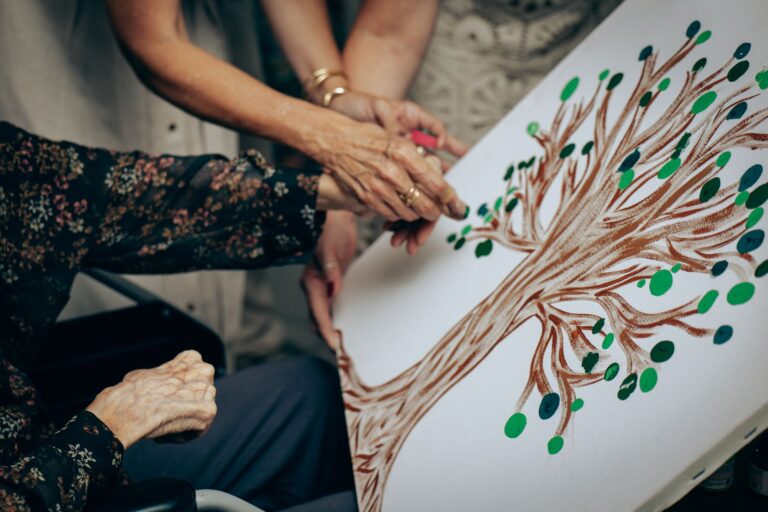
Ask your person to fold napkins, stir batter, sort photos, or listen to familiar music with you. Stay nearby for safety and keep instructions one step at a time. Keep meals, naps, and medicine times close to normal. Set up one low-light room with a chair, blanket, and familiar object. Move there at the first sign of restlessness.
What is your backup plan for hard moments?
Write help down before the holiday rush. Name who can stay with your person, drive, cook, or handle calls. Share arrival times, door codes, medicine lists, and daily routines in one note.
Tell guests what helps most, such as short visits, low voices, or no surprise touch. Ask one trusted person to watch the door and guide the flow. Write the helper's name and phone number on the fridge before guests arrive.
- Name one backup helper for each event
- Plan a 20-minute rest break for yourself
- Pack medicine, snacks, comfort items, and night clothes
- Agree on an early-exit signal with family
- Keep one quiet activity ready, like a photo album