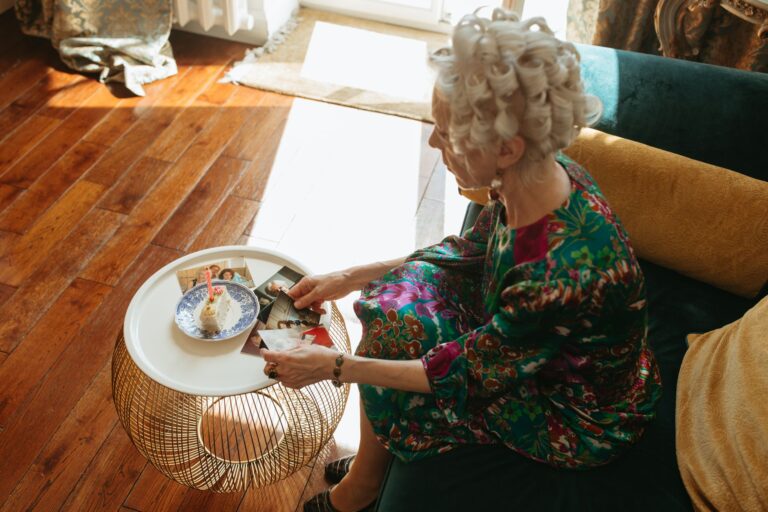
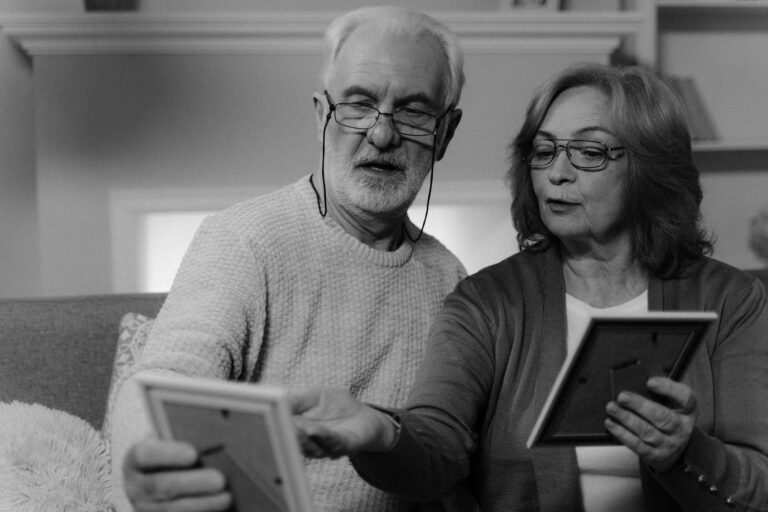
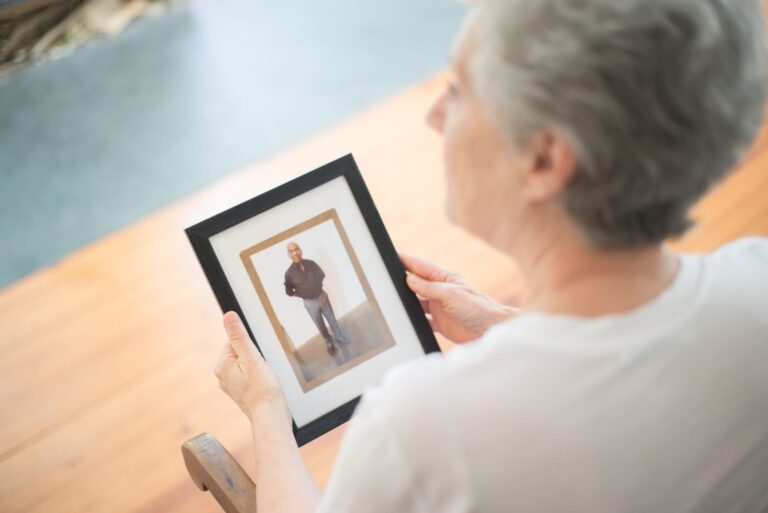
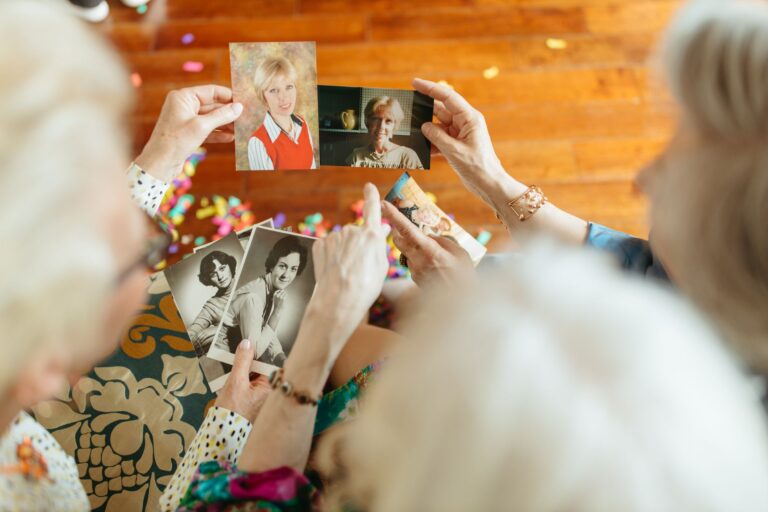
Reminiscence conversations for middle-stage dementia show engagement through better mood, eye contact, talking, and shared attention. They show distress through tearfulness, withdrawal, agitation, restlessness, or wanting to stop. Reminiscence therapy means guided talk about memories and past experiences with another person using tangible prompts such as photographs, music, videos, or objects. In middle-stage dementia, word-finding trouble and lost trains of thought make nonverbal cues as important as words.
Medical information disclaimer: This article is for general educational purposes only and does not provide medical advice, diagnosis, or treatment. Always consult a physician or other qualified health professional about symptoms, medications, tests, or treatment decisions.
Table of Contents
- What does engagement look like?
- What does distress look like?
- How do you keep the talk inviting?
- What can these talks realistically do?
What does engagement look like?
Engagement often looks small and physical. Watch for relaxed posture, smiles, humming along to music, reaching for a photo, longer answers, and looking back and forth between you and the object.
Benefits are reported strongest for mild-to-moderate dementia and weaker for severe dementia, according to Iriss. That makes the middle stage a practical window for short, familiar conversations.
- Leans in, makes eye contact, or follows the photo or object
- Smiles, laughs, nods, hums, or starts a related story
- Answers more readily, gestures, or takes turns more smoothly
What does distress look like?
Reminiscence can bring back sad or difficult memories. The person may become upset even when the prompt seemed happy, so treat mood shifts as information.
According to the Alzheimer's Society UK, tearfulness, withdrawal, agitation, restlessness, or wanting to stop are signals to stop or redirect its guide to memory-loss therapies. Do not press the person to explain or keep going.
- Crying, flat face, turning away, pushing the item aside
- Pacing, fidgeting, raised voice, repeated "I want to go"
- Long silence after a prompt that previously brought a smile
How do you keep the talk inviting?
Invite rather than quiz. According to the National Council of Certified Dementia Practitioners, practical guidance is to avoid testing recall, let the person set the agenda, and favor connection over factual accuracy its dementia activities guidance. If a date or name is wrong, stay with the feeling behind it.
Use one familiar item at a time. A wedding photo, a favorite song, a kitchen tool, or a short video clip works better than a pile of choices. Allow skipping any prompt without comment.
- Offer a choice: "Would you like to look at this one?"
- Comment, do not question: "That looks like a happy day" beats "Who is this?"
- End early on a good note and switch to music, a walk, or a snack
What can these talks realistically do?
According to Cochrane, a 2018 review pooled 22 trials with 1,972 people with dementia and found moderate-quality evidence of no important overall quality-of-life effect right after treatment the pooled review of 22 trials. Effects varied by setting, with probably a slight benefit in care homes and little or no difference in community settings.
For thinking skills, the same review found only a very small end-of-treatment benefit of doubtful clinical importance. The UK NICE guideline NG97 says to consider group reminiscence therapy for mild-to-moderate dementia. Use these talks for comfort, contact, and pleasant time together, then stop promptly when distress appears.