Caregivers of memory care residents, people who live in residential care for dementia, can support Marine Toys for Tots, Salvation Army Angel Tree and Silver Bell programs, and Santa for Seniors, plus doll-donation programs that supply residents directly. Each option lets a caregiver give money, gifts, time, or space, and some let residents take part as givers. The right choice depends on who the caregiver wants to help. Drives for children and low-income seniors send gifts outward, while doll programs bring comfort items inward to people living with dementia.
Medical information disclaimer: This article is for general educational purposes only and does not provide medical advice, diagnosis, or treatment. Always consult a physician or other qualified health professional about symptoms, medications, tests, or treatment decisions.
Table of Contents
- Which drives help children in need?
- Which drives help older adults?
- Can memory care residents join in giving?
- What about dolls donated for residents themselves?
- How can caregivers donate safely and respectfully?
Which drives help children in need?
According to the Marine Toys for Tots Foundation, caregivers and memory-care communities can help by hosting a local toy drive, becoming a drop site, volunteering, or donating funds for disadvantaged children. Hosting works well for a family group or facility activity room. Donating funds or volunteering fits a busy caregiver with little storage space.
According to the Salvation Army Knoxville, caregivers can also adopt a registered child Angel or low-income senior Silver Bell through Angel Tree program details. Tags are available in malls, businesses, and online. The caregiver buys the wished gifts listed on the tag.
Which drives help older adults?
According to the Senior Resource Association, reported by the Indian River Guardian, Santa for Seniors delivers gifts to more than 1,000 older adults in Indian River County through the Santa for Seniors drop-box invitation. Caregivers or groups can host a donation box with scheduled pickup by Dec. 11.
A small box near a front desk can collect socks, blankets, and other requested items. Silver Bell tags offer a second senior-focused option. A caregiver selects a specific senior, shops for that person's wishes, and returns the gift as directed. This one-to-one match suits caregivers who prefer a personal connection.
Can memory care residents join in giving?
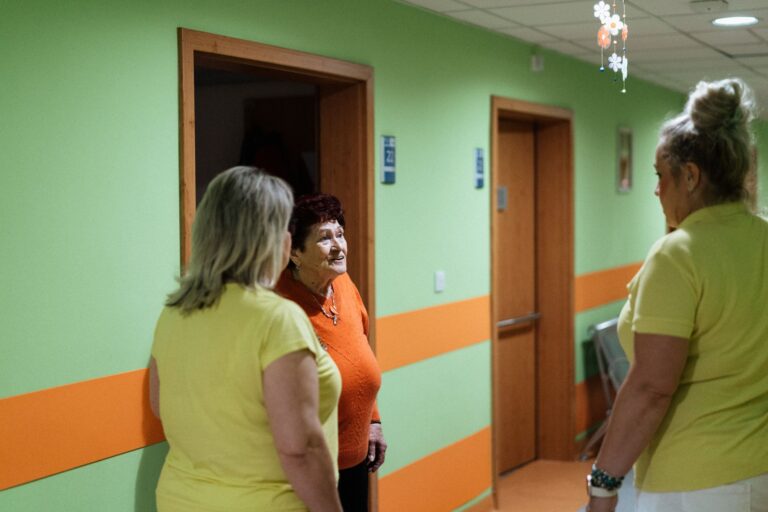
Yes. Residents across independent living, assisted living, and memory care at Lantern Crest Senior Living collect and sort holiday toys for children. The project shows residents can be givers, not only recipients.
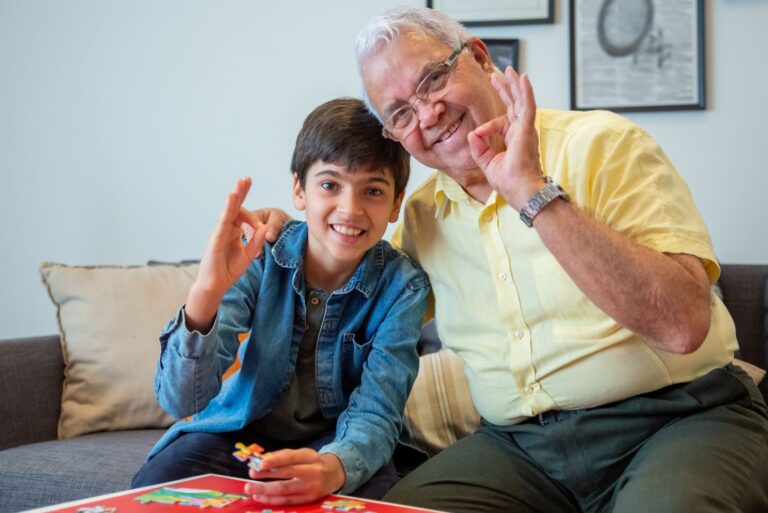
Sorting, wrapping, and counting gifts can support attention, movement, and social contact. Staff can match tasks to ability, such as sorting by color or placing toys in bins. Short sessions with clear steps reduce fatigue and confusion.
What about dolls donated for residents themselves?
Some drives provide realistic baby dolls for people with Alzheimer's and dementia. Dolls for Dementia invites Treasure Valley donors to fund dolls meant to reduce anxiety and restore purpose and calm. The Grand Baby Project accepts donations and doll sponsorships for individuals and facilities.
According to WebMD, reporting comments from the Alzheimer's Association's Ruth Drew, doll therapy is reported to improve mood, calm agitation, and provide companionship for people with moderate-to-severe dementia in this WebMD feature on doll therapy. Experts also note pros and cons, so dolls are not right for everyone. A doll should be offered as a choice, never forced.
How can caregivers donate safely and respectfully?
Check with facility staff before bringing any doll or toy into memory care. The Grand Baby Project selects durable, cleanable dolls that meet infection-control guidelines for care settings. Ask about cleaning rules, allergies, choking hazards, and storage.
- Ask staff which dolls or gifts are allowed and how they are cleaned.
- Offer the doll as a choice, with brief training for family and staff to preserve dignity.
- Watch the response and remove the item if it causes distress.