Yes, toys can help lower falls risk during memory care activity time when staff use them to support supervised, purposeful activity. Toys alone do not prevent falls, and movement-based play helps most. Memory care means residential care for people living with dementia. Activity time means the scheduled group periods when residents socialize, handle objects, move, or join guided exercise instead of sitting idle.
Medical information disclaimer: This article is for general educational purposes only and does not provide medical advice, diagnosis, or treatment. Always consult a physician or other qualified health professional about symptoms, medications, tests, or treatment decisions.
Table of Contents
- Why do falls happen during activity time?
- Which kind of play helps most?
- How can seated toys still help?
- How to set up a safer activity time?
Why do falls happen during activity time?
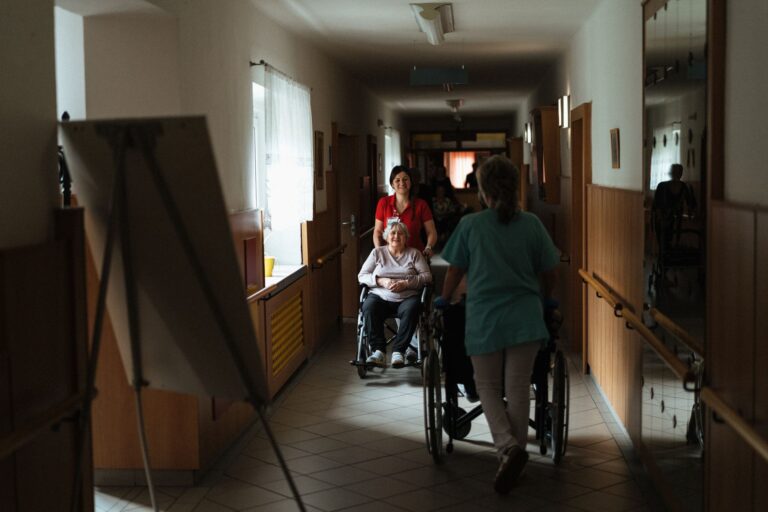
Dementia raises fall likelihood through impaired judgment, balance, vision, and depth perception. Residents may also forget walkers, misjudge steps, or stand and rush without help.
Idle, unstructured time leaves room for unsupervised getting-up and wandering. Purposeful supervised activity keeps attention, bodies, and staff support in one place.
Which kind of play helps most?
Active play with movement helps more than seated toys alone. According to CDC STEADI program materials, structured strength, gait, and balance exercise such as tai chi reduces fall risk and fall rate in older adults, as described in CDC STEADI program materials. For people with dementia, caregivers should encourage adapted movement that builds strength, balance, coordination, and flexibility, according to the National Council on Aging caregiver falls guide.
That guide points families to senior-center or YMCA falls programs for mild impairment and simpler supervised activities for greater decline. In practice, this means short led movement, not free play. Chair stands, marching in place, reaching, stretching, short walks, and tai-chi-style weight shifts fit activity time well.
How can seated toys still help?
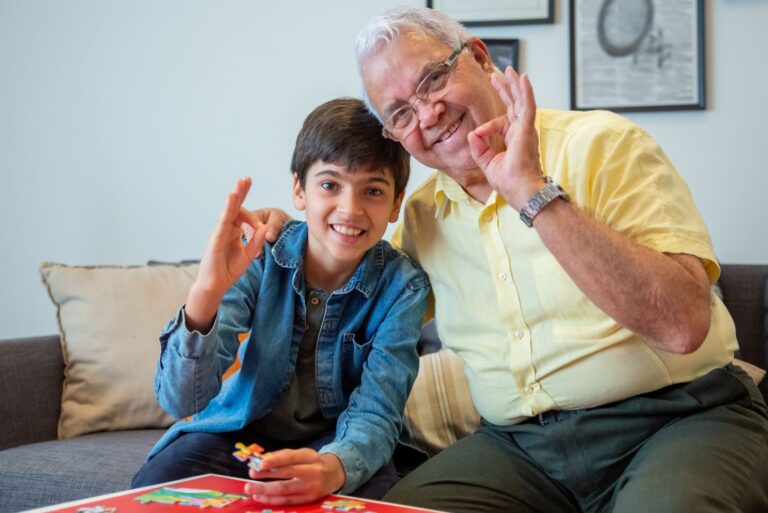
Large seated manipulative toys give hands and eyes a settled focus. Busy, engaged residents are less likely to get up alone, rush, or wander from the group. Hands-on Montessori-based activities increased positive mood and engagement and reduced agitation in residential aged care, according to a systematic review in the journal Dementia, summarized in the 2023 systematic review.
When combined with person-centred care, the same approach was linked with less antipsychotic and sedative prescribing. Regular, staff-supported activity also calms restlessness that leads to risky walking. A care-home program of regular nurse- and physiotherapist-supported physical activity reduced agitation and wandering among residents living with dementia.
How to set up a safer activity time?
Use seated items as an anchor and add movement, supervision, and safety checks around them. A dementia-unit wander-garden study found high users had 82 fewer falls, a 38.7% decrease, versus 6 fewer falls in low users, supporting purposeful supervised activity space over idle time, as reported by The Center for Health Design.
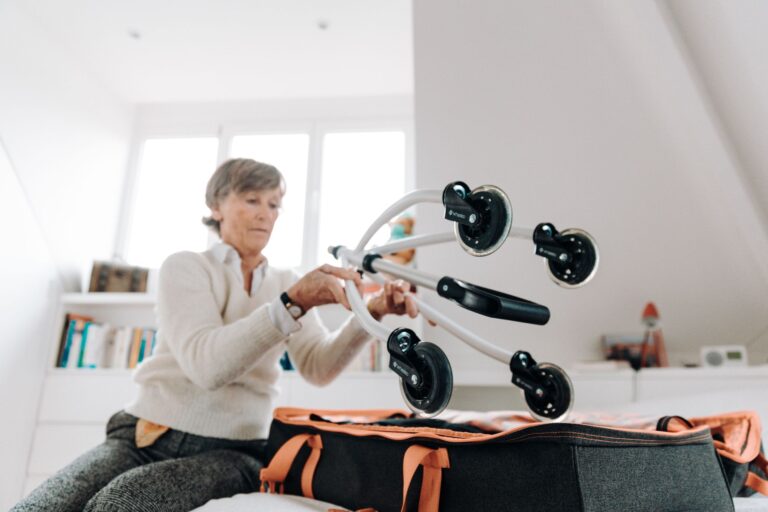
Safer activity time pairs large, non-trip seated items with active options: Pick one seated activity and one brief led movement for each session. Keep extra walkers, chairs with arms, and clear walking paths within reach.
- choose large, stable seated items with no cords, small parts, or floor pieces
- add chair exercises, stretching, short walks, or tai-chi-style movement
- keep staffing close enough to cue walkers and guide sit-to-stand
- use safe footwear, clear clutter, review medications, and remove trip hazards