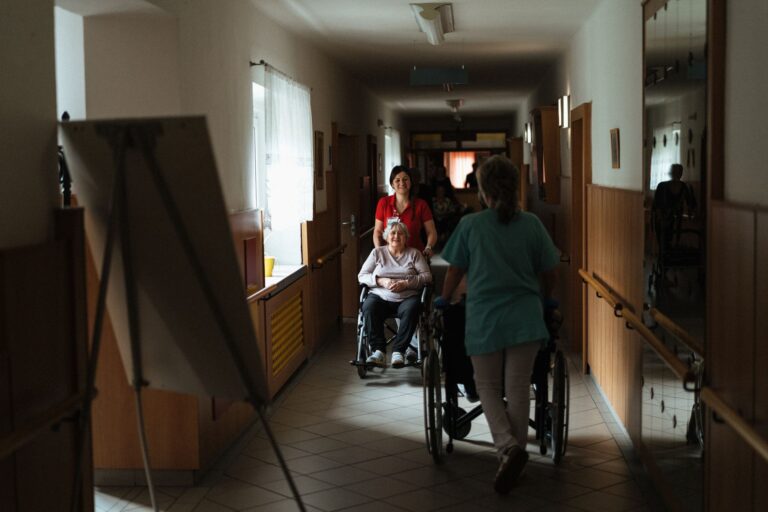
Caregivers pack a small set of familiar toys matched to the person's interests and arrange them like home. They favor soft dolls, simple music toys, fidget items, sensory balls and large-piece puzzles. A dementia care facility, often called memory care, offers supervised housing and daily support for people with memory loss. Familiar objects preserve continuity and lower move-in anxiety in the new room.
Medical information disclaimer: This article is for general educational purposes only and does not provide medical advice, diagnosis, or treatment. Always consult a physician or other qualified health professional about symptoms, medications, tests, or treatment decisions.
Table of Contents
- Which toys help most?
- How do you keep the room familiar?
- How much should you bring?
- How do you prevent loss and first-night stress?
Which toys help most?
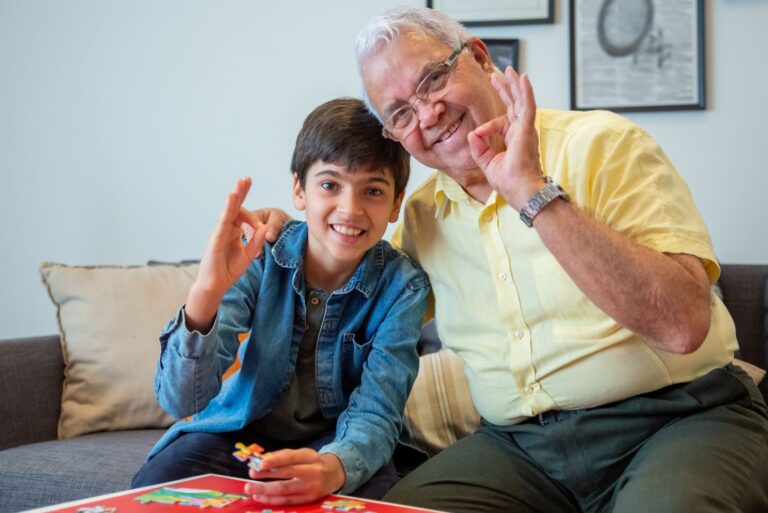
Choose toys that fit past hobbies and current ability. Heisinger Bluffs guidance recommends textured fidget items, sensory balls, large-piece puzzles, simple musical toys, and dolls or stuffed animals for companionship in its guide to toys for dementia patients.
Keep sensory tools familiar, consistent and supervised. Familiar weighted blankets, fidget blankets and soft objects calm restlessness better than novel toys. They can reduce agitation without medication side effects.
How do you keep the room familiar?
Set up the room before arrival when possible. A Place for Mom advises arranging photos, decorations and frequently used items as they were positioned at home rather than buying new furnishings in its guide to easing the transition to memory care.
Place the favorite blanket on the bed and the puzzle on the table. Put family photos, books and music where the person can see and reach them. Familiar placement signals safety from the first hour.
How much should you bring?
Bring less than feels generous. Clutter raises confusion, falls and cleaning problems in a small room.
Staff can also bar valuables, sharp items and unsafe electronics. Start with a tight core, then add gradually over visits:.
- one cherished blanket or pillow plus well-worn bedding
- two or three photos and one familiar decoration
- one fidget item, one soft animal or doll, and one puzzle or music toy
- easy-wear clothing without buckles, buttons or shoelaces, plus approved toiletries
How do you prevent loss and first-night stress?
Label every garment and belonging with the resident's name and keep a photo inventory. The Alzheimer Society of Canada moving-day checklist warns that shared laundry and confusion cause frequent losses in its handling moving day checklist.
Carry a first-night bag with medications, toiletries, phone charger, familiar devices, favorite pillow or blanket and memory aids such as a calendar. Check with staff about labeling rules, laundry service and banned items before you unpack.