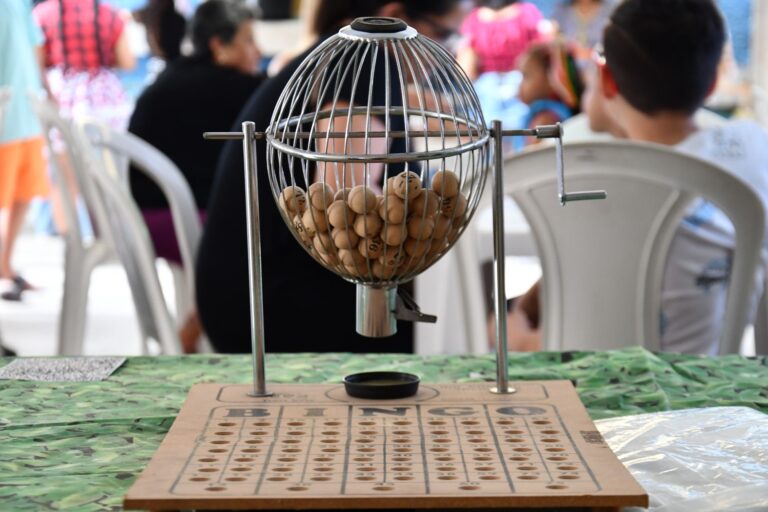
Adapt picture bingo for memory care groups with oversized picture squares, bold dark-on-light contrast and large easy-grasp markers. Picture bingo matches images instead of numbers, and short partnered rounds with bright even lighting keep play calm and failure-free. Visibility and pace shape participation. Choose materials and rules that lower strain and keep success within reach.
Medical information disclaimer: This article is for general educational purposes only and does not provide medical advice, diagnosis, or treatment. Always consult a physician or other qualified health professional about symptoms, medications, tests, or treatment decisions.
Table of Contents
- Make every square easy to see
- How should each round run?
- Who gains most, and where are the limits?
- How does bingo fit wider daily life?
Make every square easy to see
Case Western Reserve University researchers link aging-related contrast loss to play difficulty and found large high-contrast cards boosted visual search and skill large-card results. Use oversized picture squares, bold dark-on-light contrast, bright even lighting, uncluttered tables and large easy-grasp markers. Set the table for seated viewing.
Check glare and reach before players arrive. Sit in a player chair and read each card at arm's length. Swap any dull picture for a bolder one. Keep spare markers within easy reach.
- One large picture per square on plain light stock.
- Wide spacing between squares and around edges.
- Dark images and labels on light backgrounds.
- Steady bright light with no shine on cards.
- Chunky tokens that are easy to see and hold.
How should each round run?
Keep rounds short, calm and failure-free. Pair each player with a partner and drop the idea of losers. Use familiar pictures such as favorite photos, pets, foods and household objects. Give one clear cue at a time and allow extra looking time.
Praise effort even when a match is missed or misplaced. End the round while energy is still high. Simplify rules for later stages and choose sets made for dementia play. Keep the goal social, not competitive.
Who gains most, and where are the limits?
Size and contrast adjustments change who can join in. Case Western Reserve University researchers reported players with mild dementia played at the level of healthy peers, while more severe dementia showed little improvement mild-dementia finding. Plan mixed groups with extra support for those who need it.
Watch for frustration, fatigue or withdrawal as signs to pause. Offer simpler matching or one-to-one play for advanced stages. Keep inclusion the measure, not score.
How does bingo fit wider daily life?
Think of bingo as social exercise, not just a game. Rush University Medical Center linked frequent social activities including bingo to 38% lower dementia risk and 21% lower mild-impairment risk social-activity results. Rush University Medical Center researchers tied frequent play to five years later onset in 1,923 dementia-free adults averaging age 80 five-year onset finding. Carry contrast beyond cards into the room.
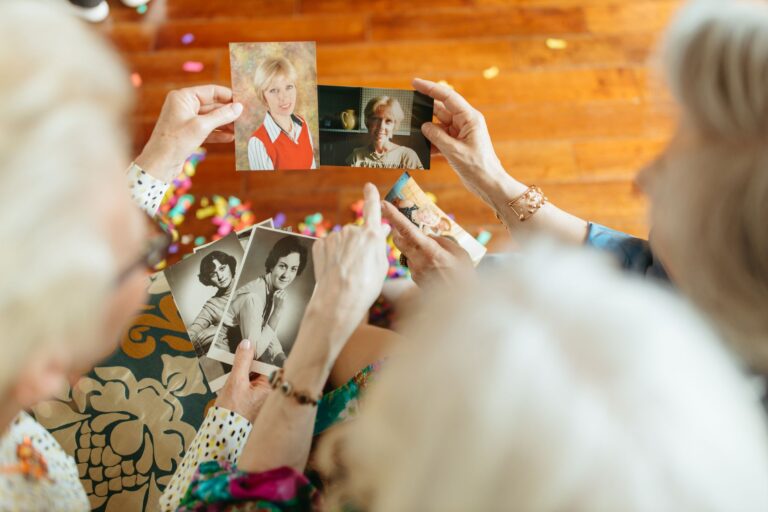
Use distinct placemats, clear furniture edges and simple tableware so objects stand out. Pair bingo with familiar low-pressure activities like looking at favorite photos, listening to music or folding towels. Keep praise steady, keep groups small, and stop while players still feel successful. Store a bold spare set where staff can grab it for a quick calm activity.