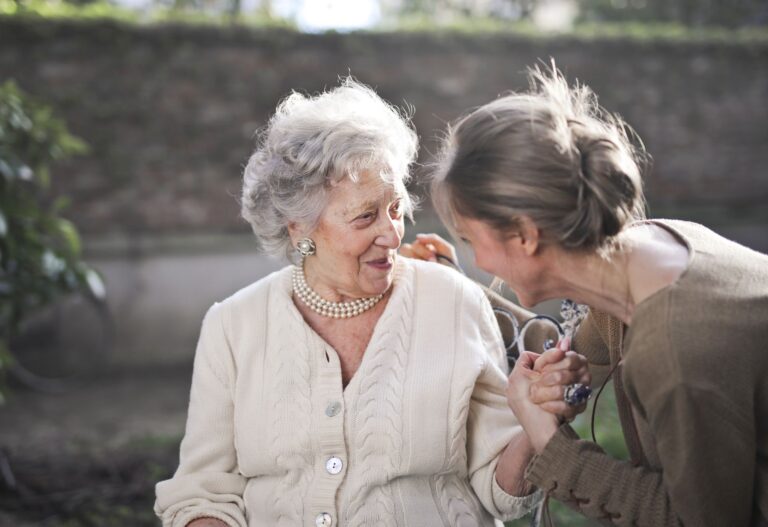
Picture bingo for memory care groups is bingo played with large, clear images instead of numbers, set up for success rather than competition. Setup means high-contrast cards, simple choices and a calm, well-lit space with clean shared supplies. It suits small groups where players can match pictures with cueing and hands-on help. Use the steps below to choose cards, arrange the room and reduce falls, overload and germs.
Medical information disclaimer: This article is for general educational purposes only and does not provide medical advice, diagnosis, or treatment. Always consult a physician or other qualified health professional about symptoms, medications, tests, or treatment decisions.
Table of Contents
- How Should You Set Up the Cards?
- What Supplies Make Play Easier?
- How Do You Keep Play Calm and Successful?
- What Safety and Cleaning Steps Matter Most?
How Should You Set Up the Cards?
Case Western Reserve University researchers tested computer-made bingo cards that varied brightness, size and contrast. The group included younger adults, healthy older adults, 14 people with probable Alzheimer's disease and 17 with Parkinson's disease. High-contrast, larger cards improved thinking and playing skills for people with cognitive and visual-perception problems, according to the university via ScienceDaily university study summary.
Boston University researchers looked at larger and bolder print and fewer cards at one time to reduce visual-search demand. Give each player one card with a few large pictures and wide spacing. Choose sharp contrast such as black print on white and avoid pale gray on white.
What Supplies Make Play Easier?
Pick picture cards that show familiar objects, animals or foods in simple, uncluttered photos. Pair them with large chips or markers that are easy to see and hold.
Use steady tables, supportive chairs and bright, even light over the play area. Try out cards and markers before the group meets. Swap out faded pictures that blur edges or lower contrast.
- One large-print picture card per player, with few items per game
- Big non-rolling markers, such as large chips or hook-and-loop pieces
- Sturdy tables and chairs with clear paths between seats
- Spare lamps, extra cards and a box for used markers
How Do You Keep Play Calm and Successful?
Kaiser Permanente Health Encyclopedia advises caregivers to match the game to each player's remaining abilities tailored-play guidance. It also advises help to start, simpler choices and success-oriented play rather than competition. Sit helpers beside players who need cueing, call one picture at a time and praise each match. The Alzheimer's Association advises leaders to cut competing noise and avoid sensory overload art and music caregiving guidance.
Its art and music caregiving guidance calls for shutting windows and doors and turning off the television during the game. Use a calm voice, pause between calls and keep rounds short. In that university study, players with mild dementia using adapted cards played at the level of healthy peers. Players with more severe dementia showed little improvement. Plan brief games and judge success by engagement, not score.
What Safety and Cleaning Steps Matter Most?
UCLA Health, citing the National Institute on Aging and CDC, lists fall-safety steps that fit game day. Remove rugs and clutter from paths, add extra light at stairs and keep a lamp or switch within reach of seats and beds. Keep cords, bags and walkers out of walking lanes. The U.S.
EPA advises a two-step clean for shared cards, chips and tables disinfectant guidance. Clean items when dirty, then disinfect with an EPA-registered product kept visibly wet for the label's full contact time. Ask one person to wipe tables and remind players to wash hands before and after play. Keep players who feel sick out until well and air the room after the group.