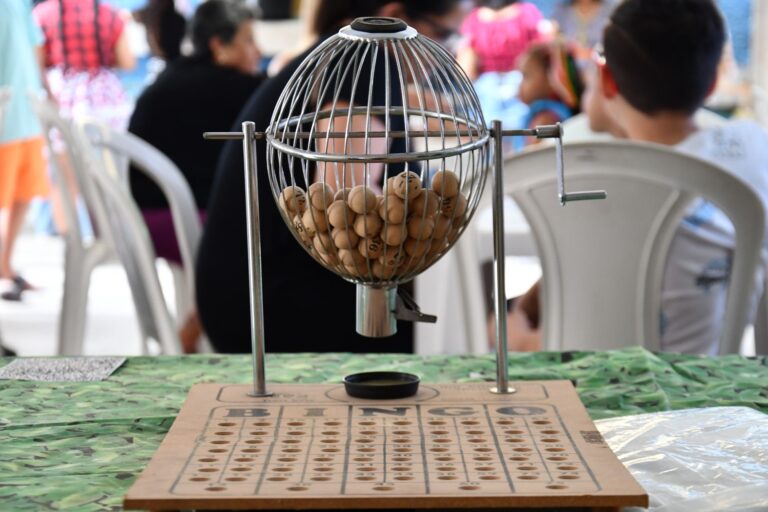
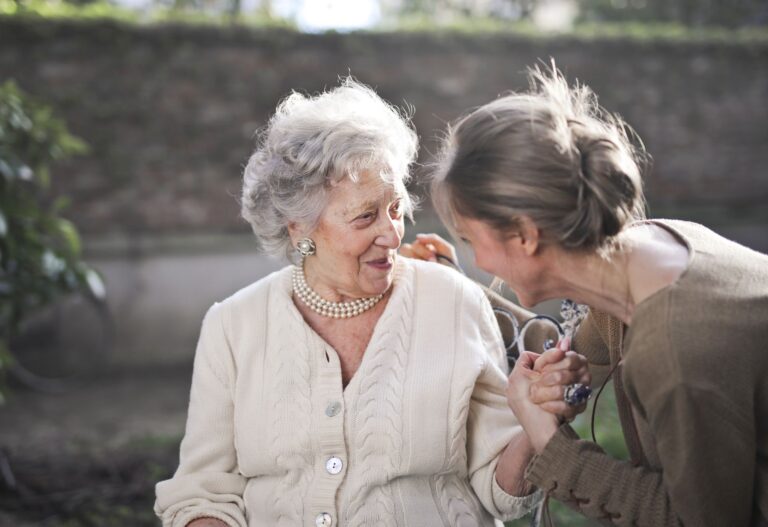
Picture bingo for memory care groups swaps numbers for images of people, animals, or familiar objects, as described by Anthem Memory Care. Anthem Memory Care links engagement to attention, talk, laughter, and handling cards, while the American Psychiatric Association links distress to changed mood and behavior. Anthem Memory Care notes the familiar images can spark personal memories and support recall. Watching reactions helps leaders keep the round comfortable and adjust difficulty.
Medical information disclaimer: This article is for general educational purposes only and does not provide medical advice, diagnosis, or treatment. Always consult a physician or other qualified health professional about symptoms, medications, tests, or treatment decisions.
Table of Contents
- Why use images instead of numbers?
- What does engagement look like?
- Which warning signs call for a pause?
- How can facilitators adjust the game?
Why use images instead of numbers?
According to Case Western Reserve University in Case Western Reserve bingo results, larger high-contrast cards boosted thinking and playing skills. The benefit applied to people with cognitive and visual-perception difficulties from Alzheimer's disease and Parkinson's disease. Bigger images and clear contrast make each target easier to see and find. Anthem Memory Care says the visuals can jog personal memories while stimulating recall when facilitators de-emphasize winning, explained in Anthem memory-games guide.
Players name a dog, a garden tool, or a familiar face and share a short story. According to Rush University Medical Center in Rush social-activity findings, social activity was tied to later dementia onset. Researchers followed 1,923 dementia-free older adults for about seven years. The most socially active developed dementia about five years later than the least active, with 38% lower risk.
What does engagement look like?
Anthem Memory Care describes positive engagement as sustained attention, conversation, and steady handling of materials. Players watch the caller, scan their cards, and stay with the group activity. Handling cards and chips also supports hand dexterity.
When you see these signs, keep the pace steady and unhurried. Let players hold each win lightly and name images aloud. Offer the next picture only after most players have found the last one.
- watches caller and scans card without drifting away
- talks, laughs, names pictures, and shares memories
- grips, places, and moves cards and chips steadily
- stays for the full round and joins the next one
Which warning signs call for a pause?
Alzheimer's Research UK links disengagement to apathy rather than simple tiredness. Watch for falling asleep, seeming uninterested or unmotivated, and stopping normal activities. Little emotion and low energy during a lively round also signal withdrawal.
The American Psychiatric Association lists distress signs that can appear in dementia as depression, anxiety, irritability, and aggression. Restlessness, physical or verbal outbursts, and changed eating or sleeping habits also count. In bingo, this may look like pacing, raised voice, refusing the card, or leaving the table.
- falls asleep or stops responding to calls
- seems flat, uninterested, or low energy
- grows restless, irritable, or verbally sharp
- pushes card away, paces, or leaves the table
How can facilitators adjust the game?
Case Western Reserve University found target-finding speed improved when card size and contrast rose and fewer cards were used at once. People with mild dementia performed at the level of healthy peers under those easier conditions. Use one card per player with large print and strong contrast. The same researchers reported little bingo improvement for people with severe dementia.
For this group, Case Western Reserve University points to one large high-contrast picture card and simpler demands. Short rounds, fewer pictures per card, and spoken plus pointed cues reduce load. If apathy appears, move closer, name the picture, and guide the player's hand to the match only if welcome. If distress appears, pause calls, lower noise, and offer a break or quiet activity. If agitation continues, end the round for that player and invite a one-to-one chat or walk.