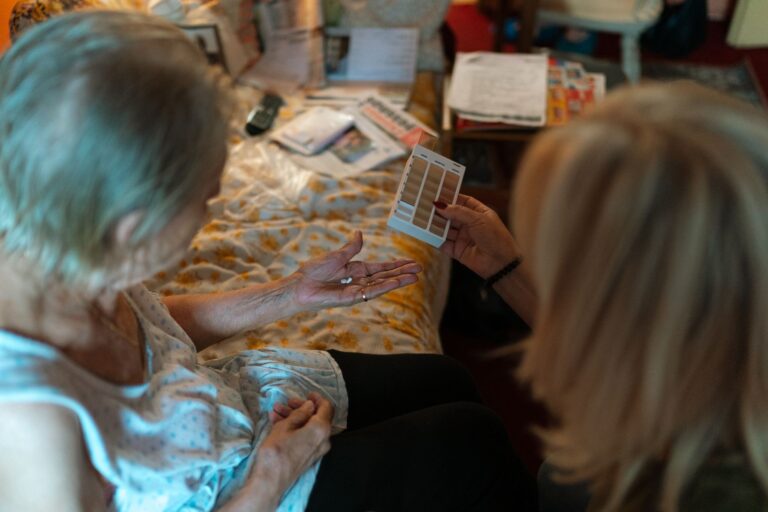
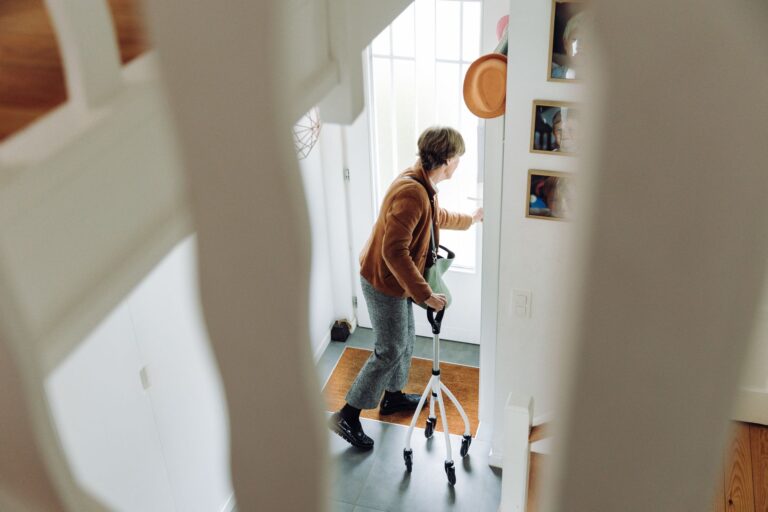
If the person you care for cannot be left alone and the dog or cat needs emergency treatment tonight, the honest answer is that you handle the pet crisis by proxy: someone else drives, or the animal goes into the clinic's care and you follow up by phone. The one thing you should not do is leave a person with dementia unattended while you sit in a veterinary waiting room, and the second thing you should not do is wait until 2 a.m.
to work out who your backup is. This conflict is common, expensive on both sides, and almost invisible to the professionals around you. Below is what the research shows, what it costs, what help exists, and the short list of arrangements worth making this week rather than during the emergency itself.
Medical information disclaimer: This article is for general educational purposes only and does not provide medical advice, diagnosis, or treatment. Always consult a physician or other qualified health professional about symptoms, medications, tests, or treatment decisions.
Table of Contents
- Why nobody on the care team knows the pet exists
- Why you cannot just drive the animal there yourself
- The real blocker is supply, not money
- Budgeting for a two-sided bill
- What to arrange this week
- When keeping the pet stops being the right call
- Frequently Asked Questions
Why nobody on the care team knows the pet exists
A 2022 survey of 462 US professionals who work with older adults found that 79% had encountered pet-related problems in their work while only 41% routinely asked clients about pets, published in Frontiers in Psychology. The gap matters: the animal is rarely written into a care plan, so it surfaces as an emergency rather than as a known variable. The same study's analysis of open responses identified eleven pet issues that had not previously been documented, including pets impeding care delivery and clients refusing care because of the pet. Professionals who actually entered clients' homes reported these problems more often than those who did not — a sign the issues are real and simply unseen from an office.
Notably, people living with dementia and their care partners both raised the same two concerns most often: what happens to the pet during a housing transition, and day-to-day pet care. Professionals more often named basic pet care, fall risk from the animal, and pet behaviour. Nobody in that list was focused on the 2 a.m. veterinary emergency, which is why you are unlikely to be asked about it.
Why you cannot just drive the animal there yourself
Roughly six in ten people living with dementia will wander at least once, and the Alzheimer's Association advises never leaving someone with a history of wandering unattended. That single guideline is the reason a solo caregiver cannot take a sick dog to an overnight emergency clinic. The trip is not one hour; it is a drive, an unpredictable wait, a consent conversation, and a drive back. Bringing the person with you is sometimes workable and sometimes not.
An emergency veterinary waiting room at night is loud, brightly lit, full of distressed animals and strangers, and offers no fixed timeline — the conditions that most reliably trigger agitation. If you have seen sundowning or distress in unfamiliar waiting areas before, assume the ER will be worse. The scale of the exposed group is not small. The Alzheimer's Association's 2026 Facts and Figures report counts more than 12 million US family and unpaid caregivers providing an estimated 19.6 billion hours of care in 2025, valued at $446.3 billion. A large share of those households also have a pet.
The real blocker is supply, not money
It is tempting to assume the fix is paying someone to sit with your relative for three hours. The binding constraint is that there is usually nobody to pay. The ARCH National Respite Network, describing the Alzheimer's Association's Center for Dementia Respite Innovation, puts US capacity at roughly one adult day centre or respite-providing home health agency per 650 dementia caregivers — and neither operates at the hours emergency vets do. Formal respite is a daytime, scheduled product.
Adult day services average about $95 a day and paid in-home respite about $35 an hour, according to the Alzheimer's Association's respite care guidance, which also directs caregivers to local chapters for sliding-scale and scholarship help. None of that helps at midnight unless the relationship already exists. The practical consequence: your overnight plan has to be an informal one — a named neighbour, adult child, church contact, or a paid caregiver you already use who has agreed in advance to take an out-of-hours call. That agreement costs nothing to make now and is impossible to make in the moment.
Budgeting for a two-sided bill
An emergency pet visit and an emergency sitter arrive together, so price both. Rover's 2026 Cost of Pet Parenthood Report puts a typical emergency vet visit at around $300, rising to $4,000 once testing or overnight hospitalisation is involved. The same report found 38% of pet owners could not cover an emergency visit without taking on debt, and only 10% hold any pet-emergency savings.
Grant help exists but is narrower than most people expect. RedRover Relief's Urgent Care grants average about $250 and require a current veterinary diagnosis and treatment plan, a US address, and household income under $60,000. Two limits catch people out: RedRover cannot reimburse treatment already performed, and it declines cases where $1,000 or more is still needed after other funding.
- Apply while the animal is still at the clinic, not after you have paid.
- Ask the clinic directly about payment plans and in-house charity funds before you leave.
- If the shortfall is four figures, a single grant will not close it — say so to the vet early and discuss treatment options at different price points.
What to arrange this week
None of this needs an emergency to be useful, and all of it takes under an hour.
- Write the pet into the care plan. Tell the care manager, home health agency, or day programme that there is an animal, and what happens to it if the person is hospitalised.
- Name two overnight people, not one, and ask them explicitly: "Can I call you at 2 a.m. to sit with Mum for three hours?" Get a yes before you need it.
- Put the emergency vet's number, your regular vet's number, and the pet's medications and conditions on one sheet on the fridge, so a substitute driver can act without you.
- Ask your veterinary practice now what happens if you cannot attend — many will take an animal in and manage consent by phone, but that has to be established in advance.
- Open a small dedicated pet fund. Rover's figures suggest most households have none, and even $300 converts an emergency into an inconvenience.
When keeping the pet stops being the right call
The 2022 Frontiers research found that people living with dementia and their care partners both flagged planning for the pet during a housing transition as a leading concern — which suggests the question is usually recognised too late, at the point of a move. A recurring emergency pattern in an animal with chronic illness is a reasonable trigger to have that conversation earlier. Professionals in the same study specifically named fall risk from the pet and pet behaviour among their most common concerns.
If the dog has already contributed to a fall, or the person can no longer reliably feed or medicate the animal, the pet's welfare and the person's safety have started to diverge, and a rehoming or shared-custody arrangement with family is not a failure of devotion. Where the bond is clearly doing good, the aim is to keep the animal and remove the logistics from your shoulders: a dog walker, a standing arrangement with the vet for home or curbside handover, and a named driver. The decision point is whether the pet's care demands can be moved off the caregiver, not whether the attachment is genuine — and a veterinary practice that knows the household situation will usually help you work out which it is.
Frequently Asked Questions
Can I take the person with dementia to the emergency vet with me?
Sometimes, but treat it as a last resort. Emergency clinics are loud, crowded and unpredictable in length, which are the conditions most likely to cause agitation — and the Alzheimer's Association's wandering guidance means you cannot step away to speak with the vet.
Will home health or an adult day programme cover an overnight gap?
Almost never. Those services are scheduled and daytime-only, and ARCH estimates roughly one adult day centre or respite-providing home health agency per 650 dementia caregivers, so capacity is thin even during business hours.
Is financial help available on the night itself?
Not usually in cash terms. RedRover Relief requires a veterinarian's current diagnosis and treatment plan and cannot reimburse care already given, so the application has to happen while treatment is still being decided — talk to the clinic before authorising work.